


Response vs. Remission Response vs. Remission You might assume that if you “respond” to a medication, that means you’re healed, but it’s not that simple in depression treatment. What Is Response? Response to treatment means you’re feeling notably better, says Alex Dimitriu, MD , a psychiatrist and founder of Menlo Park Psychiatry and Sleep Medicine in California and a medical reviewer for Everyday Health. That can be quantified in several different ways, including your own perceptions about how you feel and observations from your therapist. The Hamilton Rating Scale for Depression (HAMD-17), Patient Health Questionnaire (PHQ-9), and Montgomery-Asberg Depression Rating Scale (MADRS) are frequently used, validated tools that can give a snapshot of depression severity.e60dc2a1-f33c-4a05-9b50-8e3e8e597629d62137d3-9776-418f-818f-585cdd69794e Because response is typically defined as a 50 percent improvement in symptoms, a treatment can be considered to be “working” even though you have residual symptoms. Your day-to-day functioning may be better, but you can still be experiencing a sense of being flat or feeling stuck. What Are Remission and Recovery? Remission in MDD is defined as a significant reduction or elimination of depressive symptoms. The HAMD-17 and PHQ-9 are also used for determining when remission is achieved. While there’s no set definition of recovery, it’s often considered to be full remission sustained for more than two months.e60dc2a1-f33c-4a05-9b50-8e3e8e597629bd331004-2646-4948-bb94-922a3abab393 “Remission is the ultimate goal,” says Dr. Dimitriu. “It means the symptoms are essentially gone, and the patient has returned to their baseline self. Full remission is important because residual symptoms are the strongest predictors of a future relapse. Think of it as putting out a fire either partially or completely.”
Resources We Trust Mayo Clinic: Depression (Major Depressive Disorder)Cleveland Clinic: Clinical Depression (Major Depressive Disorder)Substance Abuse and Mental Health Services Administration: DepressionJohns Hopkins Medicine: Major DepressionWorld Health Organization: Depressive Disorder (Depression)
Identifying Residual Symptoms Residual Symptoms You might find yourself living in the gap between response and remission at any time during MDD treatment, but it’s particularly likely when you start an antidepressant or psychotherapy. While those can be very helpful for your sleep, appetite, mood, and other symptoms, it can take at least four to eight weeks and sometimes longer to feel the full effects.e60dc2a1-f33c-4a05-9b50-8e3e8e59762923e2f091-b4eb-4e5b-998c-b8ff7b7f5887e60dc2a1-f33c-4a05-9b50-8e3e8e597629d2e0b964-e758-4344-9b99-9bc21b34ef6a Some common residual symptoms include:e60dc2a1-f33c-4a05-9b50-8e3e8e5976291b65db24-9879-4639-b467-eb2c459c958c Inability to feel joy Lack of interest Difficulty concentrating, organizing, or making decision Sleep disturbances, including insomnia, sleep disruptions, and oversleeping Physical fatigue and low energy Decreased appetite General body aches and pains “Another indication of residual depression is how you respond to external sources of stress,” says Dimitriu. For example, you may become agitated or irritated easily when stressed, or any type of conflict could make you isolate yourself.
She suggests talking with your doctor about the residual symptoms you’re experiencing, including how often you have them, their intensity, and whether they disrupt your everyday life. While it may still take time to navigate the gap between response and remission, working with your health care team can get you headed in the right direction. The Takeaway With major depressive disorder, response to treatment is defined as a 50 percent reduction in symptom severity; however, feeling better isn’t the same as feeling healthy and functional. Because total remission in major depressive disorder is a key goal, it’s important to recognize residual symptoms, especially since they can raise the risk of worsening depression in the future. Strategies for addressing residual depressive symptoms include adjusting medication dosage, using psychotherapy, and making lifestyle changes.
How to Bridge the Gap How to Bridge the Gap Sometimes, bridging the gap just requires waiting for your current treatment to become fully effective. But Dr. Keyashian says that there are also other options, such as: Reevaluating medication dosage with your health provider to see if it needs to be increased or decreased Boosting the action of your current antidepressant with another medication Switching class of medication, such as moving from a selective serotonin reuptake inhibitor to a serotonin-norepinephrine reuptake inhibitor Considering repetitive transcranial magnetic stimulation or ketamine therapy Implementing more psychotherapy sessions, such as cognitive behavioral therapy Lifestyle changes such as regular exercise, meditation, better sleep habits, spending time in nature, and pursuing creative hobbies, as well as spending more time with friends and family Assessment for potential underlying medical conditions that may be contributing to depression, such as nutritional deficiencies, hormonal imbalances, or autoimmune issues “If your antidepressant is already providing full benefits and is optimized, we may add another antidepressant with a complementary mechanism of action, or other adjuvant medications,” says Keyashian.
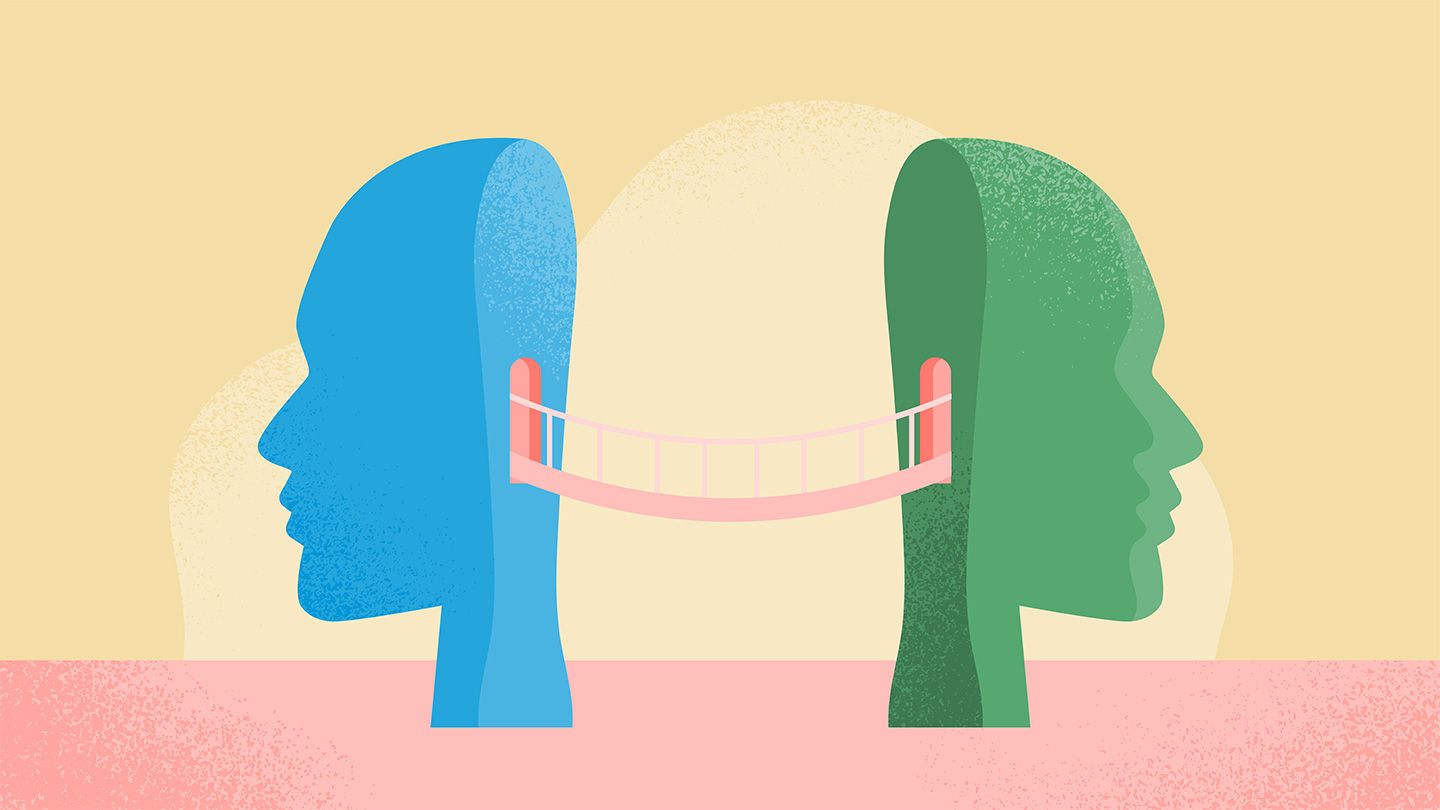
The goal of treatment for major depressive disorder (MDD) is to achieve remission: complete or near-complete relief from your symptoms. But a positive response to treatment has been defined as at least a 50 percent reduction in total symptom severity.e60dc2a1-f33c-4a05-9b50-8e3e8e59762982d7f770-0564-4382-89b6-685967f8ea78 While that’s certainly progress, being half as depressed as you were before isn’t the same as feeling healthy for many with MDD. If that’s where you are, that gap between response and remission can seem like a deep, wide gulch. But there are ways to try to bridge that span. “We aim to successfully achieve remission as much as possible, since there’s evidence that any ongoing or residual symptoms of depression — even when there’s significant improvement in symptoms — can make it more likely to develop worsening depression in the future,” explains Nissa Keyashian, MD , a psychiatrist in private practice in San Jose, California. “Residual symptoms of depression can also have negative effects on relationships, work and school productivity, and overall well-being.”
Read the full article here

Leave a comment
