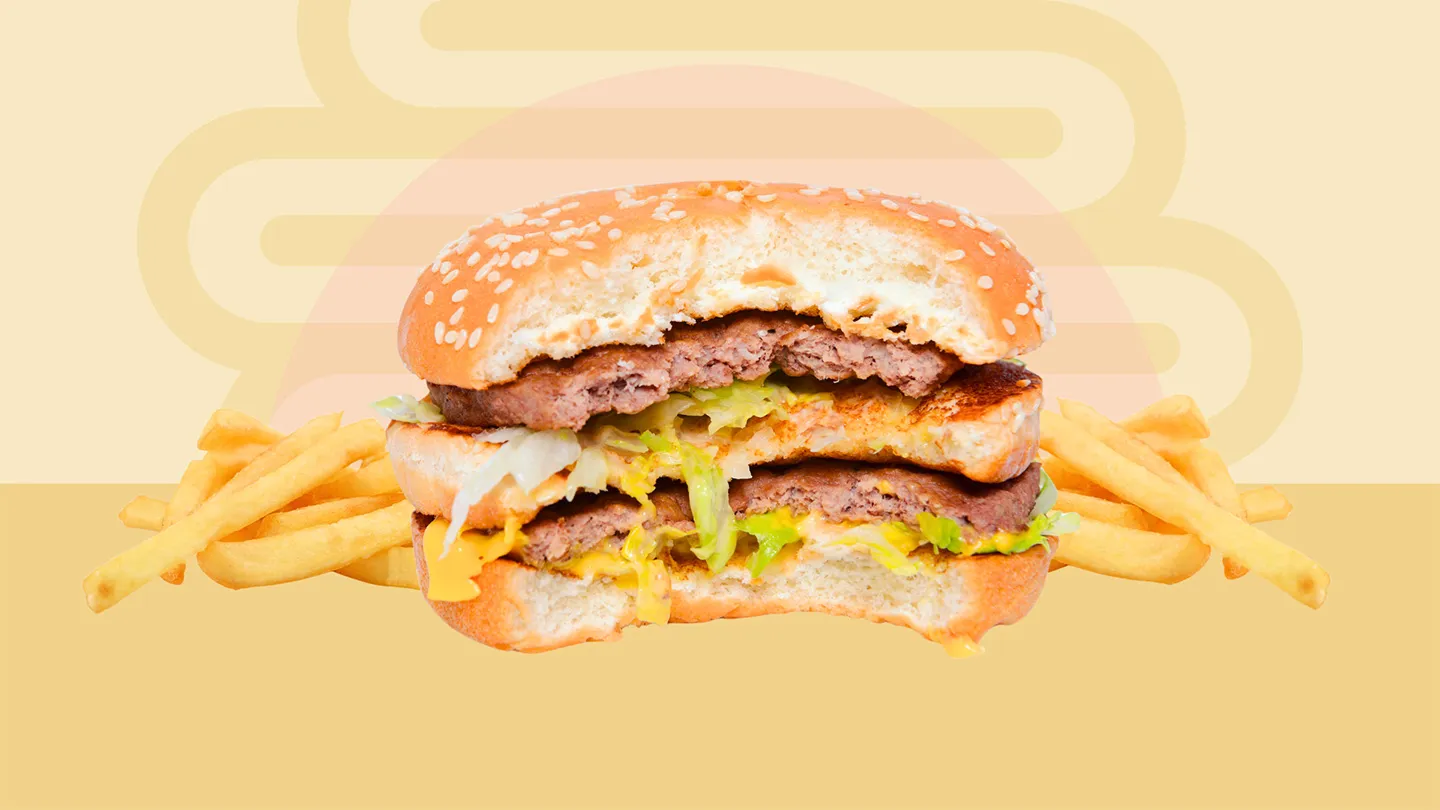
After a meal of fried foods, dyspepsia, aka digestive discomfort, can arise from reasons other than reflux, though symptoms may be similar. According to Kristen White, RDN, of Springfield, Missouri, dyspepsia after eating fried foods may stem from food sensitivities. A food sensitivity is different from a food allergy.
White says that sensitivities don’t typically involve the immune system the way allergies do. Rather, having a sensitivity simply means you have difficulty digesting certain foods.
While it’s possible to be sensitive to breadings and seasonings, the oils used in fried foods are the more likely culprit. “Fat naturally slows stomach emptying and requires healthy bile production and pancreatic enzymes to break down properly,” White says. “When your digestive system can’t keep up, whether due to stress, gut imbalance, or simply eating too large of a portion, fried foods can trigger [symptoms].”
Dyspepsia symptoms may include the following:
- A feeling of uncomfortable fullness or bloating
- Pain, especially in the upper belly
- A burning sensation in the upper belly or chest
If your symptoms don’t go away or get steadily worse, it’s best to consult your doctor. Progressive dyspepsia — the kind that worsens over time — may be a sign of something more serious. “Conditions like chronic pancreatitis, gallbladder removal or dysfunction, liver disease, celiac disease, Crohn’s disease, and certain intestinal surgeries can all make it harder to digest fatty meals,” White says. “In these situations, fried foods are often one of the first triggers people notice.”
Read the full article here