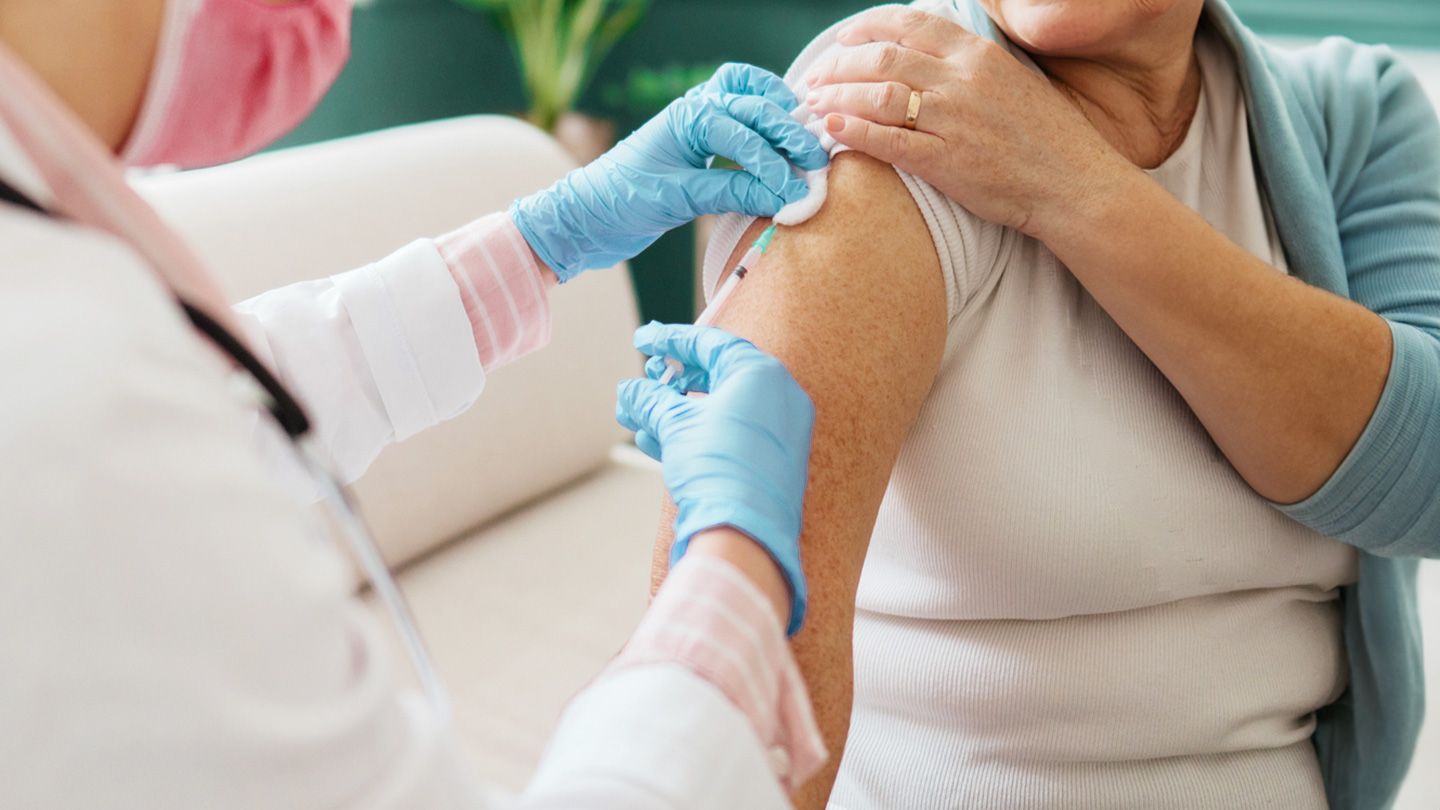
Why Getting a Flu Shot Matters for Heart Health
Even people without a history of heart disease or heart issues are at a higher risk of developing either after getting the flu.
Cardiac health is especially vulnerable during the flu because of a cascade of events triggered by the infection.
Also, in people with cardiovascular risk factors, inflammation in the lining of the arteries can contribute to the formation of arterial plaques (waxy substances that can cause blockages) and coronary heart disease, says Joyce Oen-Hsiao, MD, a cardiologist and associate professor of medicine at Yale University School of Medicine in New Haven, Connecticut. “If there are already cholesterol plaques on the arteries, the increased inflammation can increase the chance that the plaque will rupture, potentially causing a heart attack,” she says.
Additionally, research suggests that the virus and the subsequent inflammation can damage cells in the inner lining of blood vessels (endothelium), disrupting blood flow. The flu virus can even infect the heart itself, directly damaging cells.
“In very bad cases of the flu, when the body is trying to fight off the virus, there is a risk of direct inflammation of the heart (myocarditis), which can lead to a decrease in heart function and even heart failure,” Dr. Oen-Hsiao says.
Research shows that pneumonia, a common flu complication, can cause further inflammation-related damage to the heart and blood vessels, potentially leading to increased plaque formation and blockages.
Even if you’re vaccinated and still get the flu, the symptoms will likely be milder, says Siqin Ye, MD, a cardiologist and associate professor of medicine at Columbia University Vagelos College of Physicians and Surgeons in New York City. “So this is still very helpful for patients with existing cardiovascular disease. A milder flu episode is less likely to worsen heart conditions.”
The benefits of the flu shot may be especially prominent for people who’ve recently had a heart attack.
Research on recent heart attack survivors showed that getting vaccinated lowered their risk of a second heart-related event by 45 percent.
Read the full article here