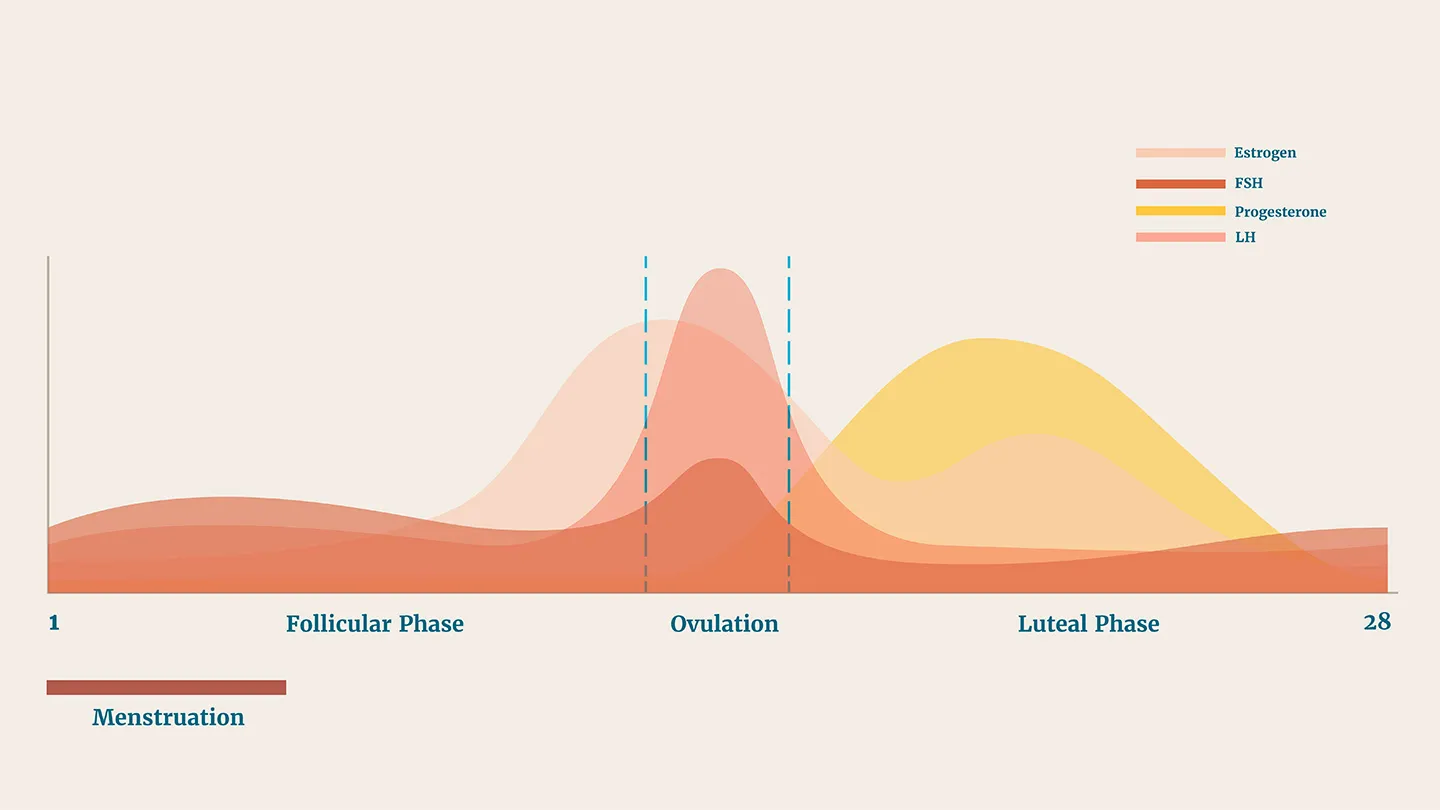
“Progesterone can initially improve sleep and lower anxiety; however, some may experience bloating, constipation, fatigue, and fluid retention,” says Hahn. It may also increase cravings for junk food and less nutritious dietary habits, she adds.
PMS Mood Swings
Beyond the physical symptoms, this hormone dip in the luteal phase can feel like an emotional roller coaster, with symptoms including:
- Irritability
- Exhaustion
- Sleep problems (sleeping too much or too little)
- Appetite changes or food cravings
- Difficulty with concentration or memory
- Anxiety
- Depression, feelings of sadness, or crying spells
- Less interest in sex
Ways to Manage PMS
Every person who menstruates could potentially experience PMS symptoms, but the severity and how well they’re handled may vary widely, says Hahn. For mild PMS symptoms, consider trying these strategies:
- Make sleep a priority. “Sleep allows both your body and mind to rest, repair, and reenergize during a time when daytime fatigue can be a major issue,” says Hahn. Try to get a full eight hours during this time.
- Focus on a balanced diet. “Junk food and high-sugar sweets can taste good for a moment, but they don’t help with PMS and can often worsen symptoms like bloating, nausea, and cramping,” says Hahn, who adds that eating smaller, more frequent, healthier meals may also lessen PMS symptoms.
- Engage in low-impact activity. While exercise may feel like the last thing you want to do in the midst of PMS symptoms, movement increases endorphins and can improve and stabilize mood, tamper food cravings, and decrease pain and discomfort, says Hahn. “Choose something as easy as walking around your block or just stretching in your living room,” she adds.
“I would highly encourage a visit with your doctor or trusted healthcare provider to discuss ways to minimize symptoms, particularly if [they] are interfering with your life, relationships, work, or school,” says Cernadas.
Read the full article here