


When to Call Your Doctor About PBC Itch When to Call Your Doctor “Symptoms like itchiness are not uncommon when you have PBC,” says Lee, who advises working with your liver doctor to figure out how to treat or lessen itch. Check in with your doctor if itchiness: Lasts longer than a week or two Has a rash along with it Affects your mood Feels severe and has no obvious cause
Why PBC Causes Itching Why PBC Causes Itching As an autoimmune disease, PBC causes your immune system to attack healthy cells — in this case, tiny ducts carrying bile through the liver. That causes inflammation, scar tissue, and, eventually, the destruction of those bile ducts. “What ends up happening is that bile acids, which are part of the bile that normally flows from the liver into your gallbladder and then into your intestines, are not processed properly, causing a backup of bile salts into your bloodstream,” says Frances Lee, MD , a hepatologist and the director of the Alcohol-Associated Liver Disease Program at Mount Sinai in New York City. “The thinking is that these bile salts cause a lot of itchiness.” That said, what’s happening in the body that makes the nervous system detect itch is complex. “Everyone’s skin reacts differently to different immune responses and inflammatory processes that tell our nervous system that something is itchy,” says Dr. Lee. “So everyone’s pathway to experiencing itch is different. Over time we’re getting more details about what this looks like for people with PBC, but it’s not something that we have the best answers to yet.” Beyond its persistence, pruritus with PBC tends to differ from regular itchiness in a few ways. It usually worsens at night, and while it can occur all over the body, it more often affects the hands and feet — for reasons we don’t fully understand, she notes. The itching can also be severe even when the PBC itself is mild.
If you have primary biliary cholangitis (PBC) , itchiness might be so persistent that you often don’t even realize anymore that you’re scratching. Chronic pruritus, or itchy skin , is a common symptom, affecting about 70 percent of people with PBC at some point in their lifetime. And about a third of those with the condition experience a more chronic form of it.e60dc2a1-f33c-4a05-9b50-8e3e8e597629b261cb42-f110-466f-b25f-8617af2a92be It might sound like dealing with itch is fairly insignificant, though annoying. But it’s not just about dry skin . For many people living with PBC, the itching can be persistent and intense, significantly affecting daily functioning and overall quality of life. Picture itching keeping you up at night, leaving marks all over your body from scratching, and making you unable to sit through meetings at work without constantly scratching.e60dc2a1-f33c-4a05-9b50-8e3e8e597629298556dc-4c3b-4813-bdb1-3d62c6a6702d So how, exactly, are itchy skin and the liver connected? The underlying mechanisms causing pruritus are complex and varied, as are the strategies that might help provide relief.
The Takeaway Primary biliary cholangitis–related itch is common, can be intense, and can disrupt your focus, mood, and sleep. The buildup of bile acids in the bloodstream is believed to trigger this itch, especially at night or on the hands and feet. You don’t have to live with it, as medications, simple skin-care tweaks, and stress management may help. But finding relief might take some trial and error.
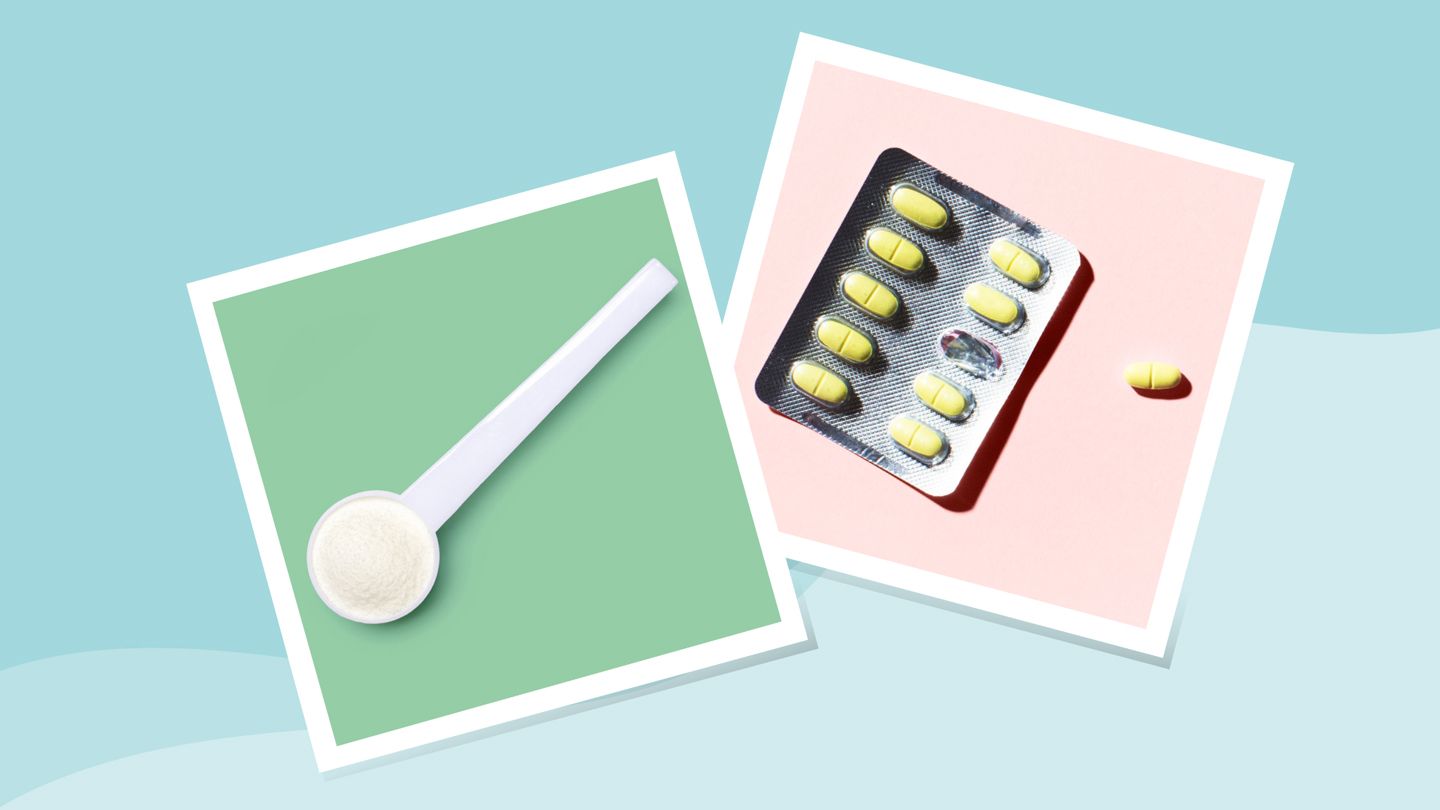
How to Find Relief From PBC Itch How to Find Relief In one study of people with PBC, a third of those who reported having severe pruritus had never received treatment for itch.e60dc2a1-f33c-4a05-9b50-8e3e8e597629ed3200a9-1403-46bb-891f-97228edcb1c0 You don’t have to just live with it, though. There are several options, including medications and lifestyle adjustments, that may help. Treatment Options Ursodeoxycholic acid (Actigall, Reltone, Urso), the first-line PBC treatment given to help improve liver health and reduce liver scarring, does not typically help ease itch and, in some cases, can even make it worse. But other medications may help address the itch.e60dc2a1-f33c-4a05-9b50-8e3e8e5976292bd38d54-5327-409c-8fb1-93424552d7c7 The preferred treatment for pruritus is cholestyramine (Prevalite, Questran), a drug that binds to bile acids in the liver to reduce the levels of the acids that circulate in the blood and contribute to itchiness. It comes in powder form and is usually taken four times daily. That schedule is pretty intense and can cause gastrointestinal distress, so people don’t always want to stick with it, Lee notes. Other medications your doctor might consider aim to reduce itch by targeting different pathways. Those include: rifampicin ( Rifadin, Rimactane), which changes liver enzyme activity and helps reduce circulating bile naltrexone ( Revia, Vivitrol), an opioid antagonist that counteracts opioid pathways related to itching sertraline (Zoloft) , an SSRI (selective serotonin reuptake inhibitor) that may help if serotonin receptors are involved in the itch process, says Lee, noting that some people respond to it better than others Peroxisome proliferator-activated receptor agonists , which, unlike traditional PBC treatment, may also help manage itchiness by reducing bile acids and itch-promoting molecules in the liver and blood Some medications that may help ease PBC itch are also actively undergoing clinical trials.e60dc2a1-f33c-4a05-9b50-8e3e8e5976292c681a06-1c57-4459-8691-7ac683355451 Stress Reduction “Your doctor might tell you to try not to get stressed out, and that’s really hard, but it’s true,” says Lee. Why? Stress can trigger symptoms by activating the nervous system and inflammatory responses. Mind-body practices, such as meditation and yoga , may also be helpful. “Meditation and mindfulness will not obviously cure or treat the disease, but it could definitely help with reducing stress,” she says, which can help ease symptoms such as itch. “Managing your work-life balance and creating boundaries at work is also important.” Everyday Habits These simple, day-to-day habits can help reduce PBC itch: Keep your showers lukewarm. Hot showers or baths can dry out the skin and worsen pruritus, says Lee. Moisturize regularly. Apply lotion after bathing to keep skin hydrated. Trim your nails. Keeping your nails short helps prevent scratches and infections, which can aggravate the itch, she notes. Stay cool. Avoid hot and humid environments when possible to reduce triggers. Avoid alcohol. Skip alcoholic beverages, which can worsen liver disease and exacerbate symptoms, says Lee.
Read the full article here


Leave a comment
