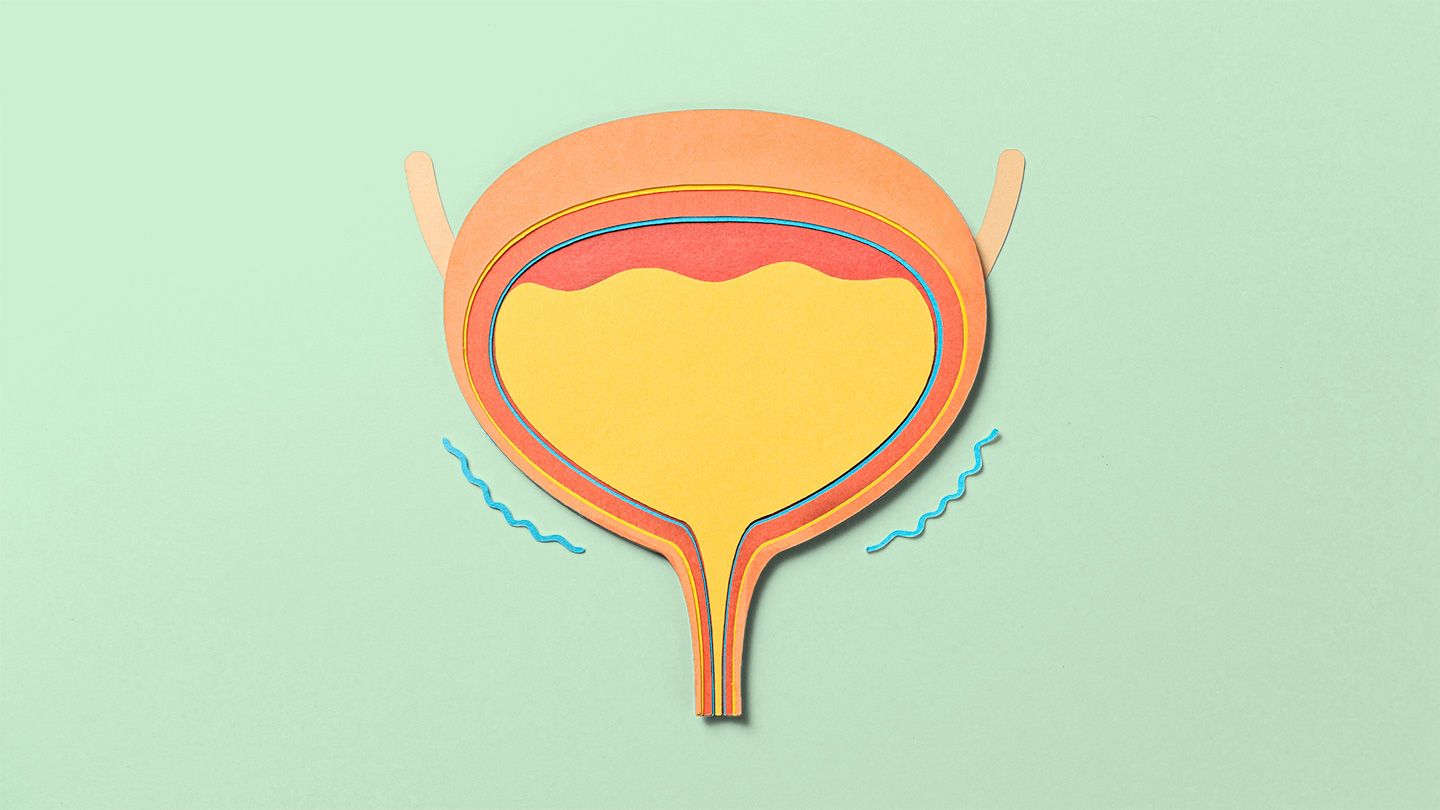
- Stress incontinence occurs when some urine leaks during sudden exertion. This might involve coughing, bending, lifting, exercising, or stepping on uneven surfaces.
- Urge incontinence is when you have a sudden, strong urge to go — even if you’ve recently passed urine. This can lead to accidents if you don’t have a bathroom nearby.
- Overflow incontinence leads to constant or regular urine leaks when your bladder doesn’t empty all the way.
- Functional incontinence means you have another health problem that prevents you from getting to the bathroom in time, like impaired mobility.
- Mixed urinary continence can also occur, which means you have more than one type of incontinence.
These situations can be bothersome and embarrassing, but effective treatments are available. Still, a meta-analysis using data from nearly 84,000 women found that fewer than 3 in 10 with urinary incontinence sought medical help to manage these symptoms. The research suggested that factors like shame and fear of examination or side effects can be barriers to seeking treatment.
But according to Leslie Rickey, MD, MPH, an associate professor of urology and obstetrics-gynecology at the Yale School of Medicine in New Haven, Connecticut, it doesn’t have to be this way. “Women have a lot of options for how to deal with urinary incontinence,” she says. Learn about five of the most common mistakes women make when dealing with a leaky bladder — plus, how to avoid them.
1. You Think a Leaky Bladder Is a Normal Part of Aging
Many women with urinary incontinence don’t seek medical help because they believe that their urine leaks are a normal part of aging. “Many women are not getting asked about it in the doctor’s office. Plus, they see ads for pads on TV, so they think it’s normal and common,” Dr. Rickey says.
Menopause does reduce levels of estrogen, which can dry and weaken tissue. For this reason, urinary incontinence is most common in women over 50. However, this doesn’t make leaky bladder inevitable, and you don’t have to accept it as such, Rickey adds.
Many women who come to the office of pelvic floor physical therapist Abigail Abbott, MSPT, who has a private practice in San Miguel de Allende, Mexico, have endured UI for years, thinking it’s normal.
“If you have to regularly wear a panty liner or pad, that’s not normal, and you shouldn’t just accept it,” Abbott says.
2. You’re Embarrassed to Bring It Up With Doctors or Friends
In an ideal world, your primary care doctor or gynecologist would include urine leaks on the list of symptoms they regularly ask about, but many clinicians don’t routinely ask about urinary incontinence. Combined with the reluctance of many women around bringing up these symptoms, this contributes to the current levels of undertreatment. But if they don’t mention it, you should, Abbott says. You should feel comfortable doing so, knowing that, as common as leaky bladder is, you won’t be the first case your provider has seen.
Most often, your primary care doctor will refer you to a pelvic floor physical therapist or a urogynecologist (a specialist in urology and gynecology). “There are a growing number of specialists like me, and this is what they do, day in and day out,” Rickey explains.
Don’t shy away from discussing the topic with female friends or relatives, Abbott says. If you do share your symptoms, you’ll likely get a knowing nod. “People don’t talk about it enough,” Abbott says. She also questions why talking about urine leaks should be any different than discussing a headache or shoulder pain.
3. You Think the Problem Is Loose Muscles When You’re Actually Too Tense
While the loss of estrogen in middle-aged women can lead to loose muscle tissue, Abbott explains that the problem is often the opposite: Your pelvic muscles are too tight.
She attributes this, at least in part, to socialization (such as women always sitting with their legs closed) and unprocessed emotions (especially a collective history of marginalization). This can cause the pelvic muscles to shorten and tighten, much like your hand muscles would if you clenched your fist all day.
Pelvic floor physical therapists have the training and knowledge to assess whether tension is part of the problem. If that proves to be the case, breath work and other exercises designed to relax the pelvis will likely form part of the treatment.
4. You Know to Do Kegels, But You Do Them Wrong
Most people have heard of Kegel exercises, subtle exercises for the pelvic floor. “But almost everyone does them incorrectly,” Abbott says. The most common mistake: pushing the muscles out, as if you’re sitting on the toilet, rather than pulling everything up and in.
Abbott tells clients to imagine they’re squatting over a box of tissues and trying to pull one out of the box with the vagina. Other pelvic floor therapists use the image of sucking up a blueberry.
You’ll want to do both short and long holds. For the short movements, try to do up to 30 or 40 quick internal flicks a day. Longer holds involve pulling the tissue in for 10 seconds — any longer and the muscles will tire.
Pay attention to your breath while doing Kegels, Abbott advises, keeping it long and slow to keep the area relaxed.
Women often think they should do Kegels forever, but Abbott says this is not the case. These exercises should take place early in the treatment phase for leaky bladder, while you also build up the surrounding muscles of the abdominals, hips, and back. “Once those muscles are stronger, you don’t have to continue with Kegels, because pelvic floor muscles unconsciously know what to do,” she says.
5. You Fear Surgery Will Be the Only Solution
Lifestyle changes and nonsurgical medical interventions are often very effective at managing leaky bladder, Rickey says. She reassures patients that “there’s no reason for anyone to be suffering with this because they fear needing surgery.”
Rickey advises starting by finding a physical therapist (PT) who specializes in the pelvic floor or by talking to a urogynecologist.
Pelvic floor PTs are trained to evaluate the problem, educate the client about what’s going on, and provide exercises and breathing techniques to strengthen the pelvic floor and surrounding muscles.
Pelvic floor physical therapy is effective in reducing UI symptoms, particularly by reducing the frequency and amount of leakage. Abbott says that for many women, just one to six visits are enough, if they accompany the sessions with exercises at home.
If several months of pelvic floor physical therapy don’t yield sufficient results, other medical interventions that don’t involve surgery will likely be tried. These include low-dose vaginal estrogen and, for urge incontinence, medicines including mirabegron (Myrbetiq) and anticholinergics like solifenacin (VESIcare) and oxybutynin (Ditropan XL).
Doctors may also apply electrodes to the vagina or rectum to stimulate the pelvic floor muscles. This might require several treatments across a course lasting months.
Another effective treatment is Botox injected into the bladder, says Jian Jenny Tang, MD, an obstetrician-gynecologist at Mount Sinai Hospital in New York.
Extreme cases of incontinence may eventually require surgery, although advances in surgical repair mean most procedures are minimally invasive now, Rickey notes.
For stress incontinence, this most commonly involves placing a small mesh sling under the urethra. Alternative procedures involve inserting wires near the bladder or via needles placed near the ankle as a way of altering nerve signals.
However, the sling is for stress incontinence, and nerve stimulation is for urge incontinence — so they may not be suitable for the type you have. “When people come to me, we discuss all the options and weigh the risks and benefits. Then they choose what is right for them,” Rickey says.
Read the full article here