Healthy eating after having a baby focuses on foods that are good at any stage of life: nutrient-dense whole foods, including fruits and vegetables, healthy fats, lean proteins, whole grains, and omega-3 fatty acids, which are typically part of a Mediterranean diet. “Prioritizing minimally processed, nutrient-dense foods helps meet the increased demands of postpartum recovery while supporting sustained energy levels and emotional well-being,” says Dr. Ryniec.
Here are the best types of food to consider during the postpartum phase.
1. Lean Proteins
Foods such as beans and other legumes, eggs, fish, and lean meats (for example, chicken, lean beef, and turkey) provide your body with the fuel it needs to repair tissues and regain strength after giving birth. Lean protein contains essential amino acids that help your body heal, maintain lean body mass, and support your immune system.
It’s especially important if you’re breastfeeding. “Protein requirements increase during lactation, with recommendations suggesting an additional intake to support milk synthesis and maternal recovery,” says Ryniec.
If cooking protein-rich meals seems more overwhelming than doable right now, consider buying bone broth. “Soups and stews made with bone broth are high in amino acids that enhance tissue recovery, provide electrolytes to support hydration, and also have other vitamins and minerals needed for recovery,” says Warner. You can freeze batches and pull them out when it’s time for a quick meal.
2. Healthy Fats and Omega-3s
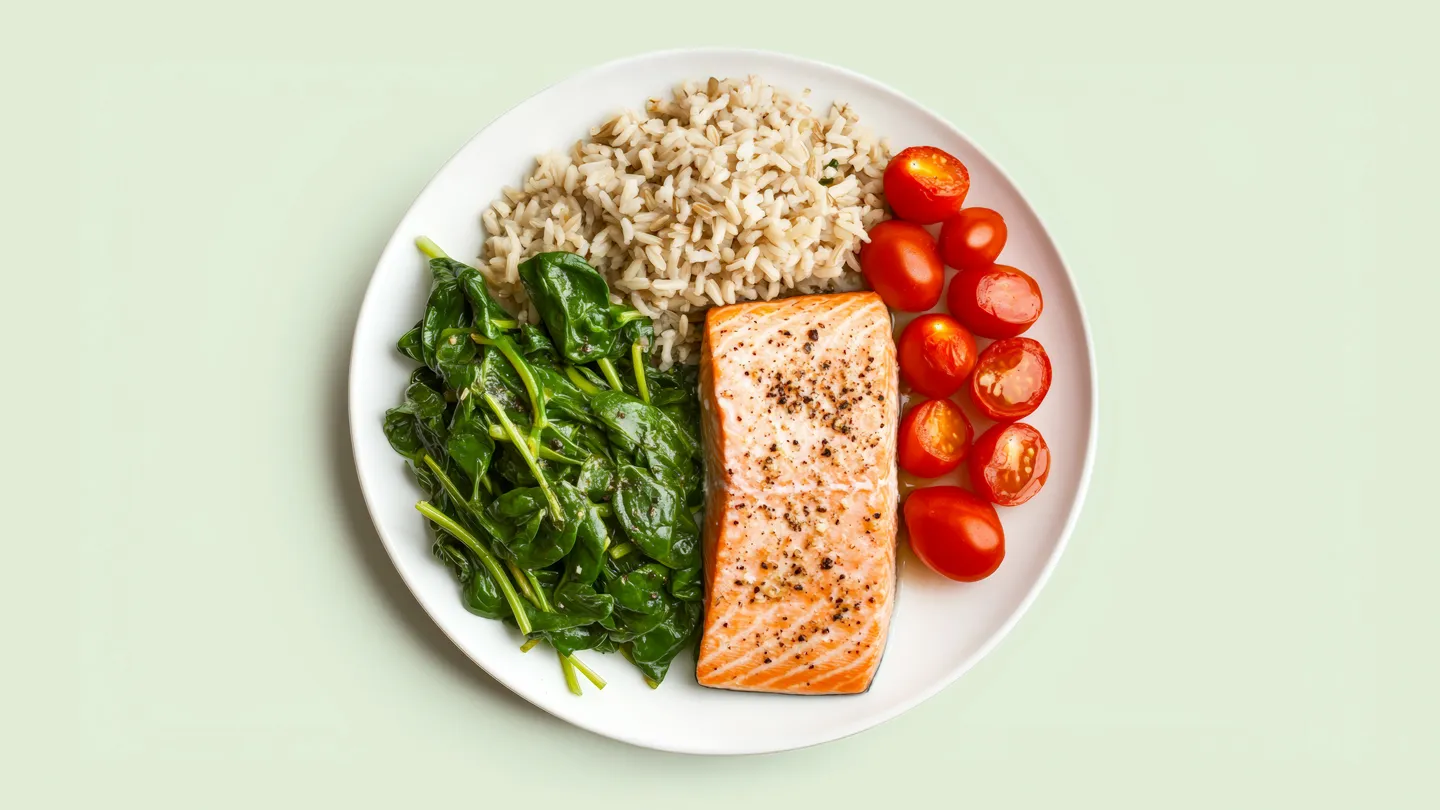
Avocados, nuts, seeds, and fatty fish such as salmon and sardines supply healthy fats and omega-3 fatty acids. These support brain health, reduce inflammation, and may help boost mood. A type of omega-3 fatty acid called docosahexaenoic acid (DHA) is also crucial to your baby’s brain development, making healthy fats especially helpful if you’re breastfeeding, which passes these nutrients on to your newborn.
Breastfeeding mothers can increase DHA in their milk by eating low-mercury fish, such as flounder, salmon, and trout, two or three times a week.
3. Iron-Rich Foods
Pair plant-based iron-rich foods with vitamin C–rich fruits, such as citrus, to help your body absorb the iron better.
4. Calcium- and Vitamin D–Rich Foods
5. Folate-Rich Foods
You may remember taking prenatal vitamins containing folic acid, but this nutrient is also important postpartum. Foods rich in folate, such as leafy greens, legumes and grains fortified with folic acid (the synthetic form of folate), support continued cellular repair and are important for women in their reproductive years.
6. Whole Grains and Fiber
Whole grains, such as brown rice, oatmeal, popcorn, and whole-grain cereals, flour, and pasta, are great to include in your diet. “These support digestive health, provide sustained energy, and help prevent constipation that can be common postpartum,” says Ryniec.
Whole grains are easy to include in any meal. “When I was postpartum, I loved prepping overnight oats, because they were easy to prepare and eat while holding my baby,” says Warner.
Other fiber-rich foods include fruits and vegetables, legumes, nuts, and seeds. “Fruits and vegetables also help provide vitamins A, C, and E, potassium, and antioxidants that support immune function and recovery,” says Ryniec.
Read the full article here