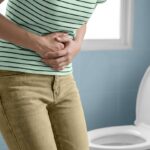
With typical menstrual cramps, mild to intense abdominal cramping begins within 24 hours of the start of your period and continues for a few days. Symptoms of period pain include:
- A dull, constant ache
- Menstrual cramps that radiate to your lower back and thighs
- Throbbing or cramping pain in your uterus during your period
Some individuals also experience:
- Dizziness
- Headache
- Loose bowels
- Nausea
Underlying conditions like endometriosis and pelvic inflammatory disease (PID) can also cause or worsen menstrual cramps. Endometriosis can cause fertility problems, while PID can scar your fallopian tubes and increase the risk of an ectopic pregnancy. Other risk factors include the use of an intrauterine device (IUD), uterine fibroid tumors, and sexually transmitted infections.
If your periods are causing you significant pain, consult your doctor to rule out serious underlying issues. Here are seven conditions known to cause painful menstrual cramps.
1. Endometriosis
While the exact cause is unknown, researchers suspect that the condition could be linked to immune system malfunctions or retrograde menstruation, during which menstrual blood flows backward into the pelvic cavity. Genetics also play a role: Your risk of developing the disease multiplies by 3 to 7 times if a close family member has it.
Untreated endometriosis can lead to adhesions, chronic inflammation, chocolate cysts (cysts filled with blood), and internal bleeding — all of which can prompt excruciating pelvic pain. This pain isn’t limited to your period. Many individuals also experience severe backaches, neuropathy, chronic fatigue, and bowel symptoms that can easily be mistaken for irritable bowel syndrome.
These overlapping symptoms make the condition notoriously hard to diagnose. Doctors may mistake it for appendicitis or ovarian cysts, or they might dismiss the severe pain as a normal part of having a period.
To make matters worse, the only way to definitively diagnose endometriosis is through a laparoscopy, a minimally invasive surgery during which a doctor removes a small tissue sample to biopsy in a lab. With so many diagnostic hurdles, patients often wait a full decade before finally getting answers.
2. Adenomyosis
Adenomyosis is a curable condition that occurs when endometrial tissue burrows directly into the muscular wall of the uterus. Because this embedded tissue acts like a normal lining during your menstrual cycle, it creates trapped internal bleeding. This buildup can physically expand the uterus and cause intense pelvic pressure, stabbing menstrual cramps, and painful intercourse.
Unlike endometriosis, in which rogue tissue implants outside the womb, adenomyosis grows inside the uterus. This means that a hysterectomy can cure it (endometriosis, on the other hand, is incurable). But major surgery isn’t your only choice. If you want to preserve your fertility or just aren’t ready for surgery, doctors can effectively manage the pain and heavy bleeding with medications like anti-inflammatory drugs or with hormonal therapies like a levonorgestrel-IUD.
Doctors traditionally linked the condition to middle-aged patients who had children or prior uterine surgeries, but recent research shows that it affects younger people, too.
3. Uterine Fibroids
An estimated 40 to 80 percent of people with a uterus have uterine fibroids, but most will not experience any symptoms. Fibroids range in size from microscopic to large enough to distort the shape of the uterus.
While they can develop at any time, fibroids most frequently appear in individuals in their thirties and forties. They also disproportionately affect Black women, who tend to develop them at a younger age and experience faster-growing fibroids — a disparity that experts note may be tied to societal inequities and racism.
4. Copper IUD (ParaGard)
A copper IUD is a reversible, nonhormonal form of birth control that can prevent pregnancy for up to 10 years. The device, which is placed in the uterus by a licensed healthcare provider, works by continuously releasing copper, which immobilizes sperm and prevents egg implantation.
“A copper IUD, as opposed to a progestin IUD, can make menses heavier and more painful, particularly in the first few cycles after insertion,” says Streicher. “But be aware — if you have had your copper IUD for years and suddenly develop severe period pain, look for another reason. Your IUD is unlikely to be the culprit.”
5. Pelvic Inflammatory Disease
Pelvic inflammatory disease (PID) is an infection of the reproductive organs that is most commonly caused by untreated sexually transmitted infections. Left untreated, PID can cause inflammation, scarring, painful menstrual cramps, and infertility.
This severe pain “most often occurs because sexually transmitted infections that cause PID can create scar tissue and adhesions in the pelvic region. During menstruation, hormones influence the uterus and surrounding structures — including the scar tissue and adhesions — which can increase inflammation, bleeding, and pain,” says Shilpi Agarwal, MD, a board-certified family medicine and integrative physician in Washington, DC, and a columnist for Everyday Health.
If caught early, PID can be treated with antibiotics, but antibiotics won’t undo any structural damage caused by the infection. “Practice safe sex, and get tested frequently for any sexually transmitted infections, especially if you have severe period pain,” Dr. Agarwal advises.
6. Uterine Defects
Read the full article here