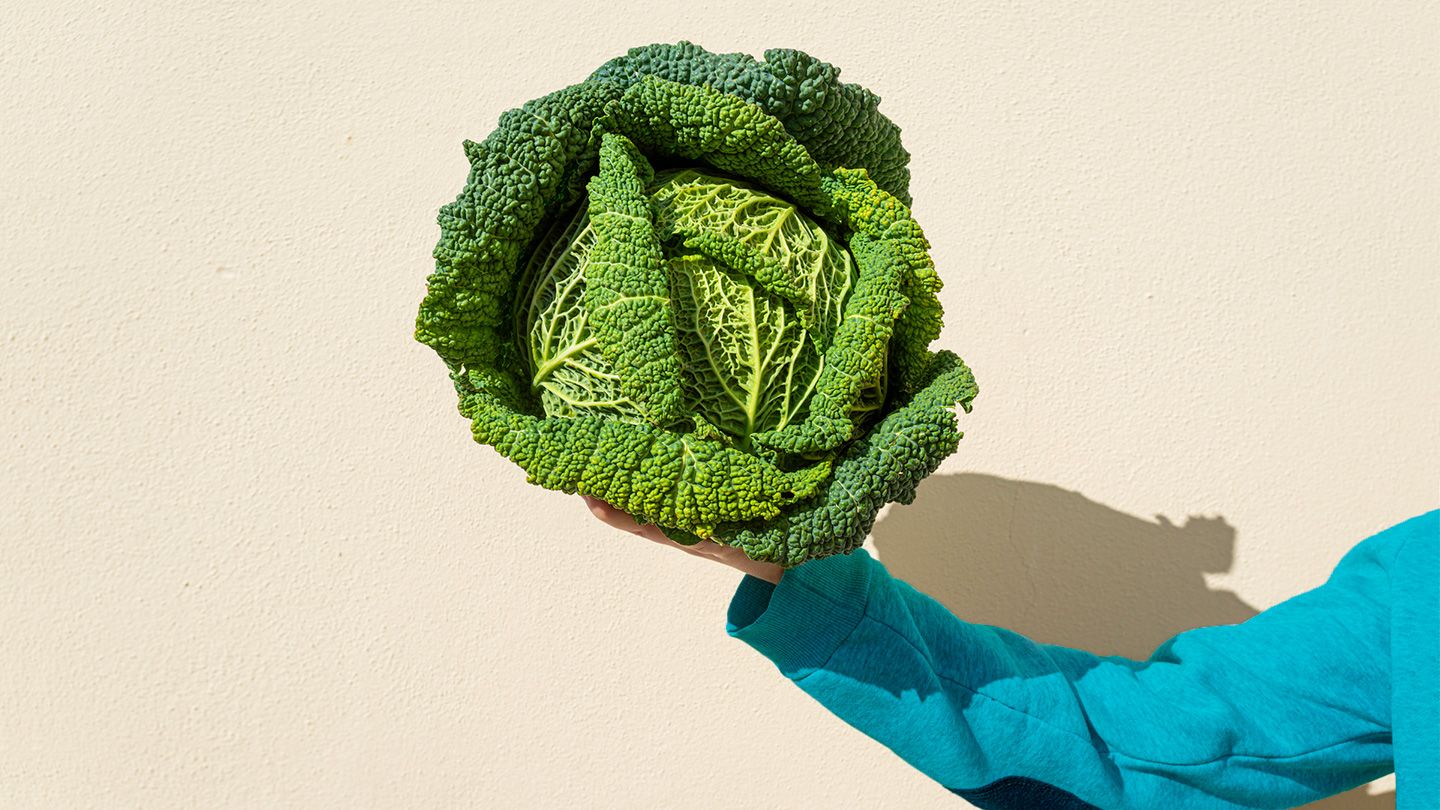
Cruciferous vegetables like broccoli, kale, Brussels sprouts, and cauliflower get a lot of attention from nutrition pros, but in this famous family tree, cabbage often goes overlooked, despite sharing similar health benefits. Many of those perks come from glucosinolates, sulfur-based compounds that give cabbage and its relatives their characteristic pungent odor, bitter taste, and anticancer properties. Glucosinolates include bioactive compounds that have anti-inflammatory and antioxidant properties, which protect the body against cell damage that may cause cancer or other diseases.
Cabbage health benefits don’t stop there. Red, white, and green cabbage can help regulate blood sugar, which may especially benefit people with type 2 diabetes. The leafy vegetable can support a healthy heart, thanks to plant compounds called sterols, which can help regulate cholesterol levels. Fiber in cabbage can also support healthy digestion and bowel regularity.
Cabbage is low in calories and rich in fiber, vitamins, minerals, and antioxidants. One cup of shredded cabbage provides 18 calories, 2 grams of dietary fiber, and almost 1 gram of protein. It’s also an excellent source of vitamins K and C, folate, and potassium.
If you’ve only ever had (and disliked) cabbage in soups or sauerkraut, consider giving it another try. It makes a great foundation for kimchi, slaws, and salads, and its sturdy leaves can replace carbs in sandwiches and tacos. The tasty and creative recipes below will make you wonder why cabbage isn’t the most sought-after vegetable in the produce department.
All Everyday Health recipes meet expert-developed nutrient goals, considering several dietary guidelines. Learn more about the methodology used to develop and tag each of the recipes on this list.
Read the full article here