While fruit has many nutritional benefits, and eating a wide range of them is crucial for good health, the acid in certain fruits can cause various health problems for some people. For example, the acid in certain fruits can exacerbate gastroesophageal reflux disease (GERD) and weaken tooth enamel.
Food experts measure the acidity of fruit using the pH scale, on which 1 is the most acidic and 14 is the most alkaline, or basic. A measure of 7, right in the middle, is considered neutral, like pure water. All fruit contains a little bit of acid, but the closer the fruit is on the pH scale to 7, the less acidic or alkaline it is.
If you’re concerned about the negative effects of citric acid, stick to fruits that have lower amounts of it. Here are eight fruits with low acidic levels, plus some reasons that they make wonderful substitutions for other fruits.
Are Acidic Foods Bad for Your Health?
Though fruits contain acid, acid in itself isn’t generally bad for your health. Some theories, such as the acid-ash hypothesis, suggest that a high-acid diet might be bad for your bone health, according to a review. However, there is no strong evidence that an acidic diet can directly harm your bone health.
The theory suggests that your kidneys break down acid and form a residue called “ash” that builds up in the blood. The blood then absorbs calcium, an alkali, from the bones to balance it out, which is said to increase a person’s fracture risk. Research suggests that while most measures of higher blood acid levels due to diet are not linked to bone health, a high net endogenous acid production score may have links to lower femoral and spinal bone mass density.
Acidic foods can weaken your tooth enamel. Every time you eat or drink something acidic, the enamel becomes slightly softer and loses some of its mineral content. Your saliva eventually neutralizes the acid, but when you eat too much acid too frequently, the saliva doesn’t have a chance to restore the proper pH balance. This can lead to a wearing away of the enamel and eventual tooth decay.
Additionally, acidic foods can worsen acid reflux and other symptoms of GERD. Although medications are available to help relieve acid reflux symptoms, a person with the condition is usually advised to avoid acidic foods and drinks, including highly acidic fruits.
8 Low-Acid Fruits
Here is a list of low-acid fruits by pH.
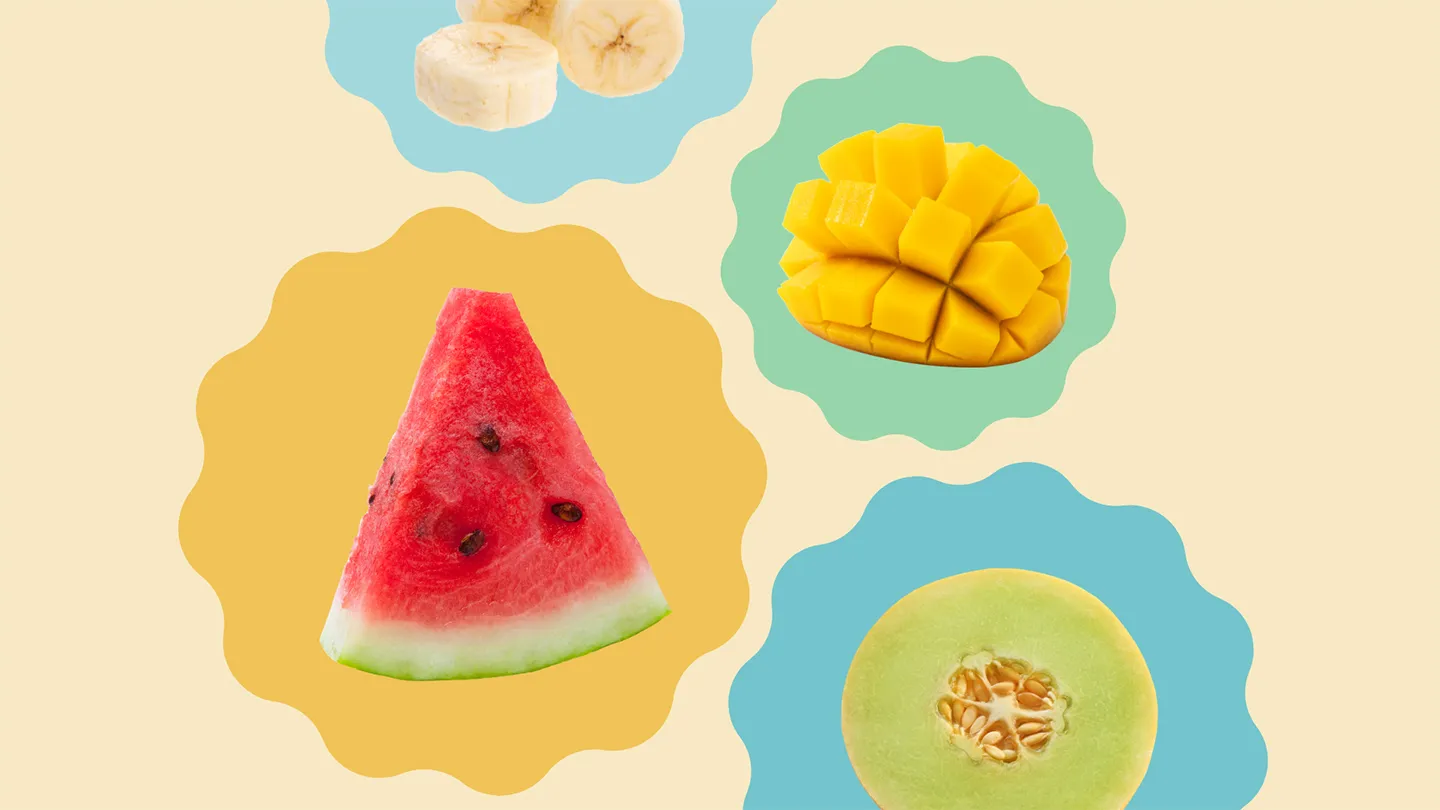
1. Bananas: 4.5 to 5.20 pH
Bananas are low in acidity, with a pH between 4.5 and 5.20. They also provide plenty of nutrition, especially potassium and vitamin B6, and they contain both soluble and insoluble fiber, meaning they can help boost your gut microbiome and keep your bowel movements regular.
2. Figs: 5.05 to 5.98 pH
With a pH of 5.05 to 5.98, this nonacidic fruit also has good calcium, potassium, phosphorus, and magnesium content. These are important minerals that support a wide range of essential functions. Research has found that figs may help to reduce a person’s risk of diabetes and heart and lung issues.
Figs have been studied for their potential to lower blood pressure and improve digestion.
3. Watermelon: 5.18 to 5.6 pH
As its name suggests, a watermelon is 92 percent water. For this reason, it’s higher on the pH scale than many other fruits, at 5.18 to 5.6.
One cup of watermelon also provides you with 865 international units of vitamin A, which benefits your skin and eye health, as well as 12 milligrams of vitamin C, a micronutrient that boosts the immune system and helps your body absorb iron.
4. Papaya: 5.2 to 6.0 pH
With a pH level of 5.2 to 6.0, the fruit is low in acid and also a good source of vitamin C, folate, fiber, magnesium, potassium, copper, and vitamin K.
Native to southern Mexico and Central America, a papaya provides plenty of carotenoids in the form of beta-carotene, which your body converts to vitamin A. This means that including papayas in your diet can help protect your vision in the long term.
5. Green Mango: 5.8 to 6.0 pH
Mangoes have a pH level of 5.8 to 6.0 and an impressive array of micronutrients, particularly copper and vitamins A, C, and E. They’re also good sources of both soluble and insoluble fiber, making them a boon for gut health. However, ripe mangoes have a lower pH of 3.4 to 4.8, making them more acidic as they ripen.
Mango also provides potassium, magnesium, and folate, as well as vitamins B6 and K. Thanks to these nutritional properties, including mango in a healthy diet may help lower cholesterol, control blood pressure, and maintain good skin and hair health.
6. Honeydew Melon: 6.0 to 6.67 pH
This pale green melon has a pH level of 6.0 to 6.67. One cup of honeydew has an impressive 51 percent of the daily recommended value of vitamin C, 11 percent of the daily recommended potassium intake, plus folate, fiber, and vitamin B6 in smaller amounts.
7. Cantaloupe Melon: 6.13 to 6.58 pH
Like its honeydew sibling, cantaloupe — another type of melon — has little acid, with a pH of 6.13 to 6.58.
It also has rich orange flesh that is high in vitamin A, much like papayas and mangos, with one cup providing 106 percent of the vitamin A you need in a day. Cantaloupe also provides around 96 percent of your daily recommended vitamin C and 11 percent of the recommended potassium intake. It’s also a good source of fiber.
8. Avocados: 6.27 to 6.58 pH
At 6.27 to 6.58 on the pH scale, acid levels are low in avocados, which are botanically a fruit.
They are rich in healthy monounsaturated fats. While avocados provide 20 to 25 grams of fat, 15 grams of which are monounsaturated. This helps you feel satisfied after eating. Avocados are also high in fiber, another nutrient that helps you feel full, as well as potassium, B vitamins, and vitamins D, E, and K.
Acidic Fruits to Avoid
If you’re avoiding citric acid in food, or trying to cut down on acid in food overall, stay clear of or moderate these fruits that are low on the pH scale:
Certain citrus fruits, including:
- Lemons (2.0 to 2.6 pH)
- Limes (2.0 to 2.8 pH)
- Oranges (3.69 to 4.19 pH)
Some berries, such as:
- Blueberries (3.12 to 3.33 pH)
- Raspberries (3.22 to 3.95 pH)
- Strawberries (3.0 to 3.9 pH)
Other fruits, like:
- Peaches (3.3 to 4.05 pH)
- Plums (2.8 to 3.4 pH)
- Grapes (2.8 to 3.82 pH, depending on the variety)
- Apples (3.33 to 4.0 pH, depending on the variety)
The Takeaway
- Choosing fruits with a pH closer to neutral, such as melons, bananas, and avocados, can help protect your tooth enamel from erosion, limit the possible (but not proven) links between dietary acid and poor bone health, and prevent the worsening of GERD symptoms.
- Low-acid fruits offer a wide range of essential nutrients, including potassium, fiber, and vitamins A and C, which support heart health, digestion, and immune function.
- When selecting mangoes, opt for green varieties to keep acid intake low, as the fruit’s pH level drops and becomes more acidic as it ripens.
- If you frequently experience acid reflux or dental sensitivity after eating fruit, consult a healthcare professional to determine if choosing low-acid fruits is the right next step for you.
Read the full article here