


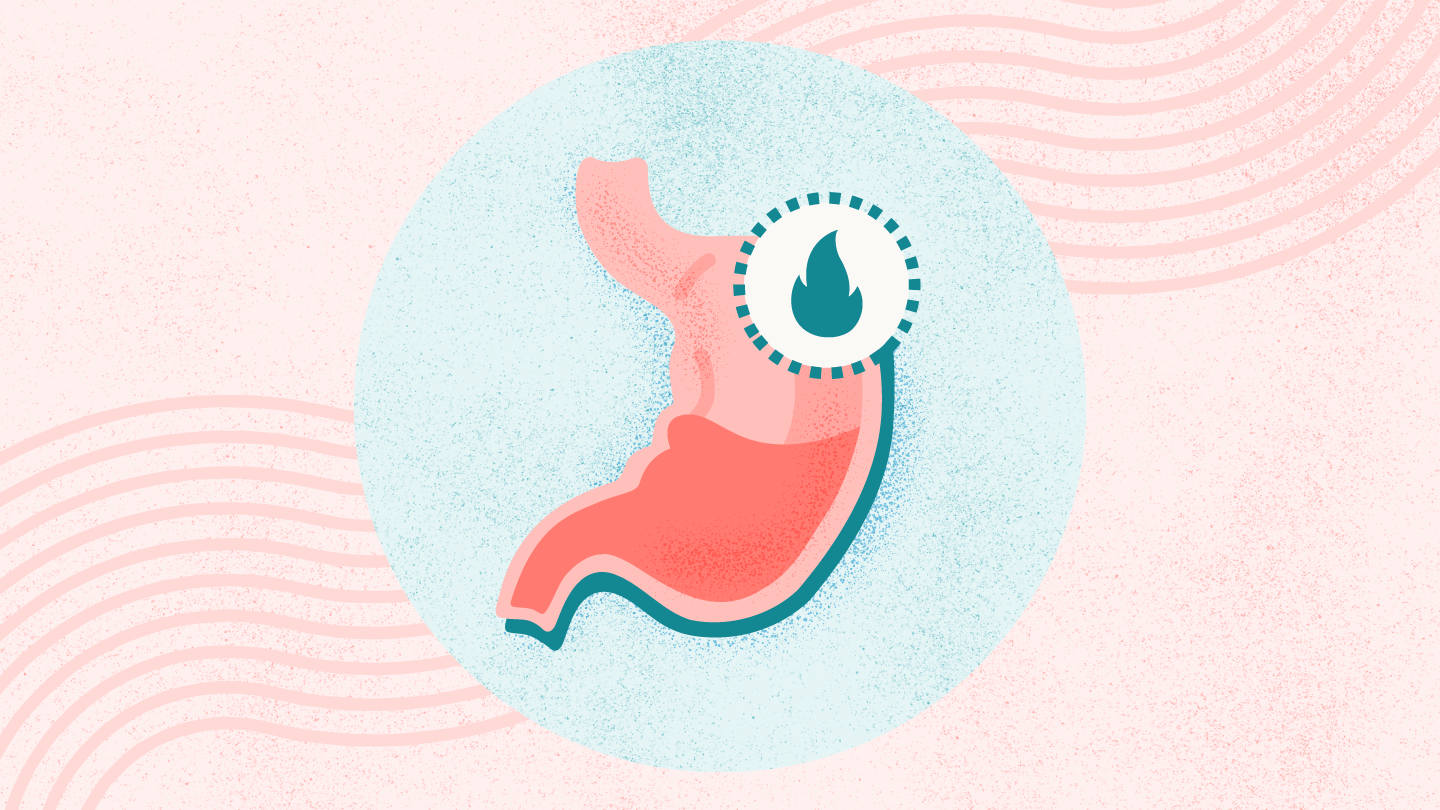
The Takeaway Gastroesophageal reflux disease is a commonly diagnosed chronic condition that occurs when a person’s stomach contents flow back up to the esophagus. Symptoms can manifest as chest pain, sore throat, bad breath, nausea, and more. Getting a diagnosis for GERD may involve an endoscopy, pH testing, digestion X-ray, esophageal muscle testing, or other methods. Depending on the severity of the condition, doctors may recommend medications or surgical procedures. Lifestyle changes to diet and eating habits can help mitigate GERD episodes.
Gastroesophageal reflux disease (GERD) is a chronic condition in which the stomach’s contents sometimes flow backward, up into the esophagus, or the tube that carries food from your throat into your stomach. Your doctor may also use these names for GERD:e60dc2a1-f33c-4a05-9b50-8e3e8e59762963867208-61c2-45b1-851b-974f938ad79e Acid indigestion Acid reflux Acid regurgitation Heartburn Reflux or atypical reflux GERD can interfere with daily living, but most people can get relief from it through lifestyle changes, including diet, home remedies, and medical treatment.e60dc2a1-f33c-4a05-9b50-8e3e8e5976290331a913-7314-47f4-a597-489e557b2bcf
Resources We Trust Mayo Clinic: Gastroesophageal Reflux Disease (GERD)Cleveland Clinic: Acid Reflux & GERDAcademy of Nutrition and Dietetics: Gastroesophageal RefluxAmerican Gastroenterological Association: Patient Center: Gastroesophageal Reflux Disease (GERD)National Institute of Diabetes and Digestive and Kidney Diseases: Acid Reflux (GER & GERD) in Adults
Complications Complications of GERD GERD isn’t usually immediately life-threatening, but it can result in the following complications:e60dc2a1-f33c-4a05-9b50-8e3e8e597629fc26edcb-9724-40bb-9132-f590b87bd0e3e60dc2a1-f33c-4a05-9b50-8e3e8e59762923fe1296-8374-4377-9e2e-7a5068518aa3 Esophageal Stricture This is a narrowing of the esophagus that happens when damage from stomach acid causes a buildup of scar tissue. Also known as a peptic stricture, this condition can cause problems with swallowing. Esophageal Ulcer This is an open sore in the esophagus, caused by tissue damage from stomach acid. It can lead to pain, bleeding, and problems with swallowing. Barrett’s Esophagus This is a precancerous condition in which the lining of the esophagus changes to one that more closely resembles the lining of the intestines. Barrett’s esophagus increases your risk of esophageal cancer by a factor of about 30. Esophageal Cance r This cancer can arise from years of untreated GERD.
Causes and Risk Factors Causes and Risk Factors of GERD Stomach acid helps digest food. When that acid flows up into the esophagus, it causes irritation that can lead to GERD symptoms. An area of the esophagus, called the lower esophageal sphincter (LES), acts as a valve between the stomach and esophagus. It relaxes and opens when you’re swallowing to allow food through.e60dc2a1-f33c-4a05-9b50-8e3e8e597629699345a5-8392-4efc-8afc-48be8f17770e GERD happens when the LES relaxes and opens up when it shouldn’t. This allows your stomach contents to flow back up the esophagus.e60dc2a1-f33c-4a05-9b50-8e3e8e597629a696a0de-ab81-45f5-bb7d-666e96cdbb0a “The lower esophageal sphincter’s role is to keep the acid restricted to the stomach,” Chowdhry says. “However, there are various conditions that can cause it to relax.” These include the following:e60dc2a1-f33c-4a05-9b50-8e3e8e597629ee0469c1-53c4-48eb-aa84-00969a5d69dc Eating a large meal Eating certain foods, including those high in fats and fried foods Increased pressure on the abdomen from being overweight, obese, or pregnant Side effects from certain medications, such as aspirin Smoking Having a hiatal hernia , in which the opening of the diaphragm allows the upper part of the stomach to move up into the chest. This lowers the pressure in the esophageal sphincter. Being pregnant is also a major risk factor for GERD due to increased pressure on the abdomen and hormonal changes. Some pregnant women experience heartburn as often as every day.e60dc2a1-f33c-4a05-9b50-8e3e8e5976290cf68229-722b-4272-a4f5-4a256f541936 Other causes and risk factors may include:e60dc2a1-f33c-4a05-9b50-8e3e8e5976293c45258b-a3b6-42d9-9b39-b24d7091645ae60dc2a1-f33c-4a05-9b50-8e3e8e5976292b3a59dd-6bb5-4c65-896a-10603fe3b98de60dc2a1-f33c-4a05-9b50-8e3e8e5976299ca4cc8a-b3ff-4522-aad1-75373cf93be3 Consuming alcoholic, caffeinated, or carbonated beverages Eating certain foods, such as chocolate, citrus fruits, onions, peppermint, tomatoes, or spicy or fried foods Eating large meals Eating soon before going to bed Lying flat soon after eating Taking certain medicines, including non-steroidal anti-inflammatory drugs (NSAIDs) and certain drugs for asthma, high blood pressure, allergies, depression, sleep disorders, and pain
Lifestyle Changes and Prevention Lifestyle Changes and Prevention of GERD Certain lifestyle changes, including diet, may help reduce the frequency of episodes of GERD, including the following:e60dc2a1-f33c-4a05-9b50-8e3e8e59762991480b60-d4f4-4674-a889-f621655a4623e60dc2a1-f33c-4a05-9b50-8e3e8e597629d19c59a2-0080-4681-b22f-d094684ae7e0 Avoiding foods and beverages that trigger GERD, including alcohol , caffeine, fatty foods, spicy foods, peppermint, citrus fruits, tomatoes, and carbonated beverages Sitting upright while eating Eating at least three hours before bedtime Maintaining a healthy weight Eating foods slowly Quitting smoking Not wearing tight-fitting clothing Not lying down after a meal Elevating the head of your bed It may also be helpful to keep a journal of foods that trigger episodes of GERD and detail your symptoms to discuss with a healthcare provider. They will discuss a personalized approach with you to prevent future episodes.e60dc2a1-f33c-4a05-9b50-8e3e8e5976293239955c-554e-4946-bcf6-2d04f49b4374
Signs and Symptoms Signs and Symptoms of GERD “GERD has increasingly become a personalized disease,” says Abraham Khan, MD , a gastroenterologist and the director of the Center for Esophageal Health at NYU Langone Health in New York City. Not everyone with GERD has the same underlying causes, symptoms, or amount of injury to the esophagus or aerodigestive tract, he says. Still, there are some typical telltale signs of GERD. The most common symptom of GERD is frequent heartburn, which is a painful, burning sensation in the middle of your chest. “Usually, if the heartburn is mild and less than two times a week, it is considered mild GERD,” says Saleem Chowdhry, MD , a gastroenterologist with University Hospitals in Westlake, Ohio. “Symptoms more than two times a week, and where there is concern for inflammation in the esophagus, are considered moderate or severe GERD.” Depending on where the acid causes a problem in your esophagus and digestive track, other symptoms of GERD include:e60dc2a1-f33c-4a05-9b50-8e3e8e597629defe94ed-e8c3-4566-b155-fd34d6a3397a Chest pain Regurgitating your stomach’s contents Cough or hoarseness Bad breath Nausea and vomiting Sore throat or an irritated feeling in your esophagus
Diagnosis How Is GERD Diagnosed? Diagnosing GERD is primarily based on the symptoms you have and how often you have them. There’s no hard and fast rule about how frequently they have to occur. “Some epidemiologic studies would suggest clinically significant symptoms would be at least twice a week, but some studies include patients with GERD as having symptoms only as often as once a month,” Khan says. Your doctor will work with you to determine if you have GERD. Formal diagnostic tests for GERD include the following:e60dc2a1-f33c-4a05-9b50-8e3e8e597629c3059448-b327-4f9c-a6f9-8e7ae67101ef Upper Endoscopy This test involves your doctor inserting a thin tube with an attached light and camera down your throat. This allows examination of your esophagus and stomach to detect inflammation or any other complications. Ambulatory Acid (pH) Probe Test This test involves placing a 24-hour probe in the esophagus to determine when (and for how long) stomach acid regurgitates there. The monitor connects to a small computer worn around your waist and might be a thin tube (called a catheter) that’s threaded through the nose into the esophagus that you go home with. Sometimes the monitor is a clip placed in the esophagus during an endoscopy and passes in your stool after two days. Esophageal Manometry This procedure measures muscle contractions during swallowing. It can help your doctor determine whether your symptoms are due to a weak sphincter muscle. This is often done when the 24-hour probe is placed. Upper Digestive System X-Ray Taken after you drink a chalky liquid, this procedure will allow your doctor to see a silhouette of your esophagus, stomach, and upper intestine. You may also be asked to swallow a barium pill to check for a narrowing of the esophagus or other conditions like hiatal hernias or ulcers .
Prognosis How Long Does GERD Last? The burning sensation in your chest that comes with GERD can last anywhere from a few minutes to a few hours. While occasional episodes of heartburn are normal, the heartburn that comes with GERD is regular or severe.e60dc2a1-f33c-4a05-9b50-8e3e8e597629ec570db3-a90e-4205-8c10-b231784529a5 Generally, GERD-related heartburn may occur two or more times a week, or it may happen once or twice a month but recur for several years, Khan explains. But again, severity and frequency will vary by individual.e60dc2a1-f33c-4a05-9b50-8e3e8e597629f5f2698f-c44e-401a-adbc-1697513e6c97 How long a person lives with GERD is also very dependent on the individual. “Some patients with dietary adjustments can reverse the triggers leading to GERD,” Khan says. “Others, if overweight, will need to lose weight to alter the pressure dynamics of the upper GI tract and reverse the reason for reflux. But others, even with appropriate diet and lifestyle habits for GERD, cannot significantly reverse the reflux they have.”
Treatment and Medication Options Treatment and Medication Options for GERD Your doctor may recommend a number of different treatments for GERD. The first recommendation is often lifestyle changes, which may include eliminating or avoiding certain foods, eating smaller meals, or staying upright for a couple of hours after eating.e60dc2a1-f33c-4a05-9b50-8e3e8e5976299d418350-32c8-4548-ae65-bda3624d2b9c Medication Options Many over-the-counter (OTC) drugs are available to treat GERD and its symptoms, including:e60dc2a1-f33c-4a05-9b50-8e3e8e597629a9763758-fb47-4a7a-a782-07b5984b7df6 Antacids These neutralize stomach acid and offer quick but mild relief. Overuse of antacids can cause side effects, including diarrhea, constipation, and kidney problems. H-2-Receptor Blockers These reduce acid production and provide longer relief than antacids, though they may not work as quickly. They may reduce acid production from the stomach for up to 12 hours. Proton Pump Inhibitors Called PPIs, also suppress stomach acid and have been most closely associated with healing inflammation of the esophagus caused by reflux. If you don’t see much improvement on an OTC drug, your doctor may prescribe a prescription-strength version of an H-2-receptor blocker or PPI. One medication commonly used is reglan (Metoclopramide), though it can come with many side effects. Another newly introduced medication, vonoprazan (Voquenza), is FDA-approved for GERD when PPI drugs fail.e60dc2a1-f33c-4a05-9b50-8e3e8e597629c1de50b5-c59f-4f48-94a4-cbab4a050608 Surgery Options If lifestyle changes and drugs aren’t enough to manage your GERD, you may be a candidate for surgery. Surgical procedures to treat GERD include these options:e60dc2a1-f33c-4a05-9b50-8e3e8e597629241402d2-4285-4de6-accd-12adb8247b8e Fundoplication In this minimally invasive procedure, a surgeon sews the top of the stomach around the esophagus. This adds pressure to the lower end of the esophagus to prevent reflux. LINX Device Another minimally invasive procedure, this involves a ring of tiny magnetic beads that is wrapped around the area where the stomach and esophagus meet. The magnetic attraction among the beads is strong enough to prevent reflux but weak enough to allow food to pass. Transoral Incisionless Fundoplication (TIF) In this newer procedure, the lower esophagus is tightened via a nonsurgical approach. TIF is performed using an endoscope inserted through the mouth and doesn’t require a surgical incision.
Read the full article here

Leave a comment
