If you have type 2 diabetes, you may be used to visiting your primary care doctor or endocrinologist to manage the condition. But there’s another doctor you should see at least once a year: an optometrist or ophthalmologist.
About 90 percent of diabetes-related vision loss can be prevented if eye disease is diagnosed and treated early. But only about half of people with diabetes receive regular eye screenings.
Here’ are six reasons you might be tempted to put off your yearly eye screening, plus ways to prioritize your care:
1. My Vision Is Fine, So I Don’t Need an Exam
There usually aren’t any symptoms in the early stages of diabetes-related eye conditions. “Eye changes due to diabetes can happen slowly, over the course of years,” says Alice Lorch, MD, MPH, associate chief medical officer at Massachusetts Eye and Ear and an assistant professor of ophthalmology at Harvard Medical School in Boston. “They may not affect your vision until you already have irreparable damage in your eyes.”
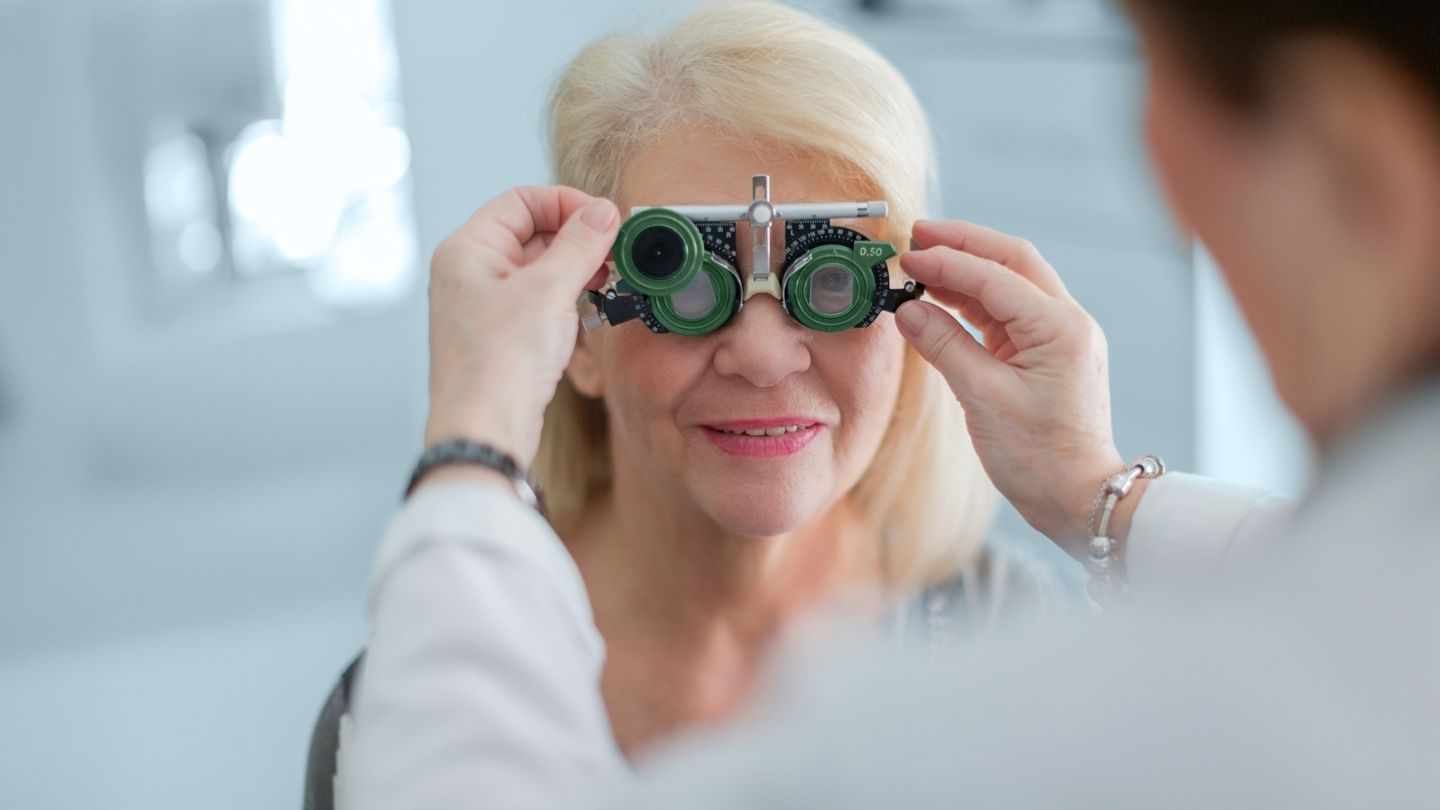
That’s why it’s important to have a comprehensive eye exam every year, even if your vision seems fine. Your eye care professional will check your vision, measure the pressure in your eyes, and perform a dilated eye exam. This involves using drops to open your pupils wide, so they can look for any signs of problems.
“Screening is preventive care,” says Dr. Au. “The goal is to catch problems early, when treatment works best and vision can be preserved.”
2. Eye Exams Make Me Too Anxious
If you feel anxious about getting your eyes examined, you’re not alone. Some people stress about certain parts of the exam, such as the air-puff test for glaucoma or pupil dilation. Others worry they’ll learn they have an eye condition that could affect their vision.
Understanding exactly what will happen at your eye care visit can help ease anxiety. “Answering questions and walking people through each step of the exam usually helps them feel much more at ease,” says Au.
Try these tips for a stress-free exam:
- Before the appointment write down any questions or concerns you want to address.
- Bring a trusted family member or friend with you.
- Practice stress-management techniques, such as deep breathing, while waiting for your exam.
- Ask your eye care professional to explain what they’re doing and why.
It can also be reassuring to remember that even if you are diagnosed with an eye condition, there are treatments available, says Dr. Lorch. Some of these treatments, such as lasers and eye injections, can sound intimidating, but they aren’t painful. And they can help prevent disease progression and protect vision, she adds.
3. I Already Have Too Many Other Doctor’s Appointments
One strategy to try: Consolidate medical appointments, if possible. For instance, you may be able to receive some eye care services, such as retinal screening, at your primary care visit.
While dilated eye exams are the traditional method of screening for diabetic retinopathy, Lorch notes that screenings often can be done now with retinal pictures taken by your primary care doctor and viewed remotely by an ophthalmologist.
“We can look at that photo, and if there’s anything we’re worried about, we bring that person in [to the eye clinic],” she says. “Otherwise, they can just get the photo taken again in a year.”
Retinal photography is not available in all primary care settings, so ask your doctor if this may be an option for you.
4. I Am Worried About the Cost or Don’t Have Health Insurance
“I encourage people concerned about cost to not skip care without first speaking to us,” says Au. “Many health systems have financial counseling services, payment plans, and assistance programs.”
If you’re uninsured, he also recommends the following steps:
- Look for community clinics, county hospitals, and federally qualified health centers that provide eye care services.
- Research pharmaceutical assistance programs, which may help cover the costs of some treatments.
- Work with a social worker or financial navigator to help find free or low-cost eye care.
If you do have insurance, it’s important to understand exactly what’s covered by your plan. For instance, diabetes eye exams may be covered by medical insurance, rather than vision insurance, because they are considered medically necessary.
“Don’t assume that because you don’t have vision insurance, you can’t get an [eye] exam for diabetes, because diabetes is a medical diagnosis,” says Lorch. She recommends speaking with your insurance company if you have any questions about your benefits.
5. I Don’t Have Access to Eye Care Services
For people who don’t have reliable transportation or live in areas without many eye care clinics, accessing services can be difficult.
Another option is to use mobile services, which are provided by some local hospitals, as well as community screenings at local health centers or schools, says Lorch. You can contact local hospitals to see if they offer similar services, or search for community health centers through the Health Resources & Services Administration.
You may also be able to receive some eye care services from your primary care doctor, which may save you a trip to an eye clinic.
6. I Don’t Feel Comfortable With Any of the Eye Doctors I’ve Seen
If you’re still trying to find an eye doctor, ask your primary care doctor or trusted family members and friends for recommendations.
Look for someone who is board certified, provides diabetes-related screenings, accepts your insurance, and offers services such as language interpreters, if needed.
After visiting an eye doctor for the first time, ask yourself some of the following questions:
- Did the doctor explain things clearly?
- Did I have a chance to ask questions?
- Did I feel rushed?
- Could the doctor and I work well as a team?
A good eye doctor is one who makes you feel comfortable, heard, and supported.
Getting regular eye exams is one of the most important things you can do to protect your vision if you have diabetes. If issues such as cost, anxiety, or accessibility have prevented you from getting the eye care you need, talk with your healthcare team about ways to make screenings easier.
The Takeaway
- Type 2 diabetes can damage blood vessels in the eyes, leading to eye diseases that can cause vision loss.
- Diabetes-related vision loss can almost always be prevented if problems are caught and treated early, but many people skip recommended eye screenings.
- Work with your diabetes healthcare providers to find strategies to overcome cost barriers. For example, you may be able to find affordable eye care through telehealth, a local hospital, or a community center.
- If you’re anxious about the eye exam, ask your doctor to walk you through the steps, including what you can expect during and after the visit.
Read the full article here