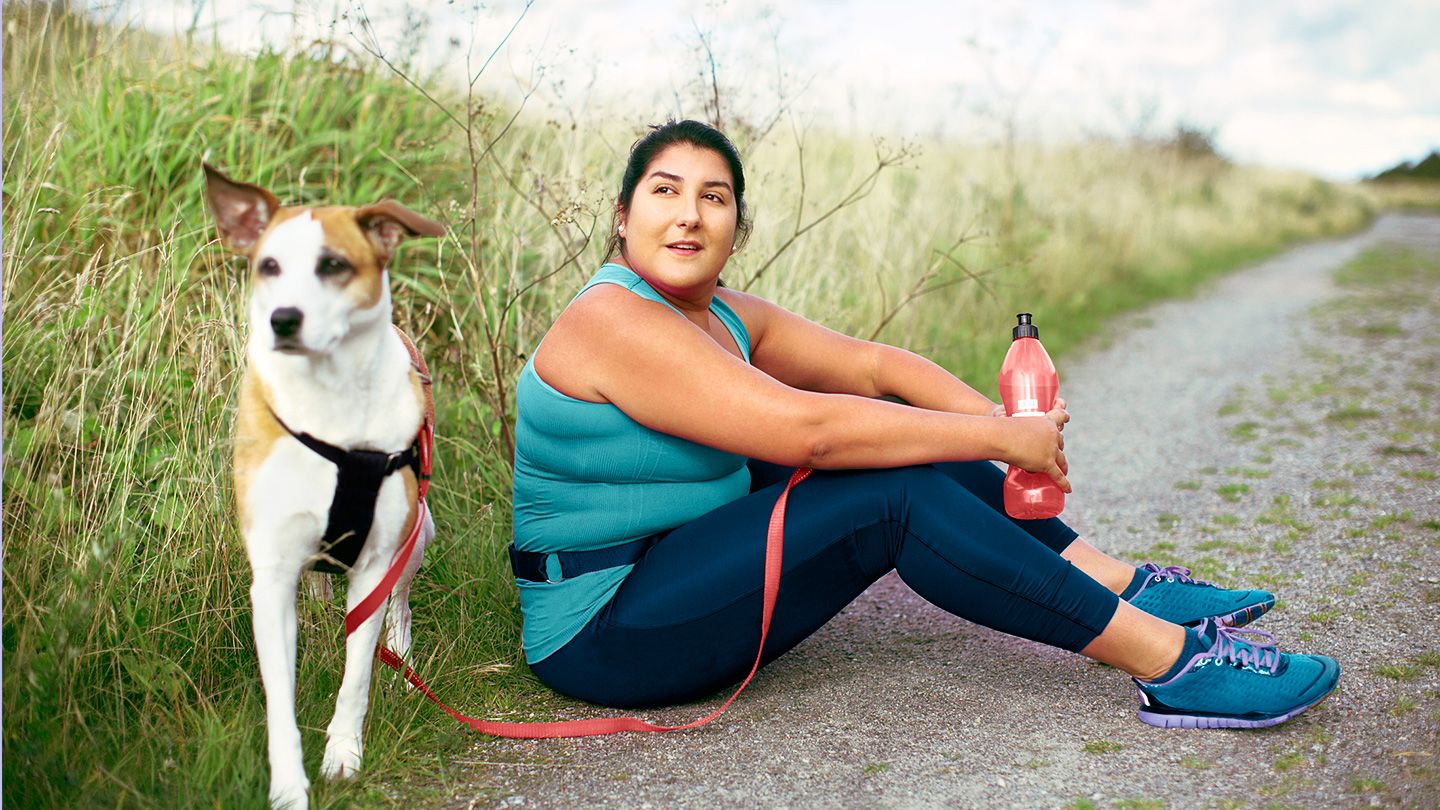
1. Start an Exercise Plan You Enjoy, and Do It Regularly
Find something you enjoy doing that gets your body moving, whether it’s taking your dog for a brisk walk, playing a sport with a friend, or riding your bike.
Check with your healthcare provider before embarking on an exercise plan though. Together, you can come up with an individualized strategy that takes into account both your exercise preferences and your unique health status.
2. Eat a Balanced Diet With Proper Portion Sizes
When it comes to healthy eating for type 2 diabetes, there’s no need to overcomplicate things or reach for fad diets. Diabetes authorities recommend a flexible common-sense approach. Turkel says to fill half of your plate with veggies, a quarter with protein, and a quarter with whole grains. If you like fruit, limit your portion to a small cup, eaten with a little protein or healthy fat to help you digest the carbohydrates in a way that is less likely to spike your blood sugar.
This approach allows you to enjoy almost every type of cuisine and eating pattern, as long as you choose your foods thoughtfully.
You should also know what type of foods to limit. Try to avoid ultra-processed foods as much as possible, especially junk foods that are sweet or salty, and definitely avoid sugary sodas and fruit juice, which are high in carbs without adding much nutritional value. Saturated fats, found mostly in red meat and processed meat, won’t spike your blood sugar, but they might contribute to long-term health problems like weight gain and cardiovascular disease.
Carbohydrates have the most immediate effect on blood glucose levels, and low-carb diets have shown potential to lower A1C results — but that doesn’t mean that going low-carb is right for everyone. Diabetes experts, for example, almost universally recommend eating plenty of wholesome whole grains and fresh fruits. These ingredients might cause your blood sugar to go up after a meal, but in the long-term they support weight management, insulin sensitivity, and low A1C levels. Overall diet quality, calorie balance, weight management, and medication adherence also play important roles in determining A1C levels.
A diet with plenty of fiber and protein will also help you limit portion sizes automatically, by helping you feel full before overeating.
And if a new diet helps you lose weight, you can expect even bigger benefits for your A1C. Weight loss can dramatically lower your blood sugar levels. A loss of about 8 percent of your total body weight can result in an A1C drop of up to 2.5 percentage points.
And it’s always best to check with a CDCES or registered dietitian-nutritionist to determine what a balanced diet and appropriate portion sizes look like for you.
Read the full article here