There’s a whole lot of information swirling around online — and among IRL friend groups — about the right way to eat. While it’s great that women want to eat healthy, much of the shared information is muddled, outdated, or flat-out wrong.
“This isn’t unique to women, but there is more messaging around weight loss, dieting, or protein consumption in online spaces that women frequent,” says Maya Feller, RD, the founder and lead dietitian at Maya Feller Nutrition. “The influencer that’s the most compelling or feels like a trusted friend is really able to pull the viewer and the reader into whatever they’re saying and make people more prone to believe them.”
For the most part, there’s nothing radical about a healthy diet. A woman’s body needs a mix of nutrients, including vitamins, minerals, carbohydrates, protein, and fat to function properly. If you still believe in any of these seven misguided strategies, nutrition pros explain here why you may want to change your mind.
1. Myth: Carbs Are the Enemy
“Instead of eliminating carbs, shift your focus to the quality of carbs,” says Sharniqua White, RDN, a culinary dietitian in Greensboro, North Carolina.
There are three main types of carbohydrates, only one of which should be severely restricted in your diet.
- Simple sugars are carbs from one or two types of sugar. These are the type of carbs to limit, particularly if you have diabetes. They’re easily digested and quickly absorbed, and they can cause blood sugar to spike. They’re found in candy, fruit juice, soda, syrups and sweeteners, and packaged foods like white bread, cookies, and cakes.
- Starch is a type of complex carbohydrate that occurs naturally in vegetables, grains, and beans. Starch is digested more slowly, which makes it healthier, and it will eventually break down into simple sugars known as glucose, which is an essential energy source.
- Fiber is another type of complex carbohydrate, and it is found in plant foods, such as fruits, vegetables, whole grains, nuts, seeds, and beans. Fiber helps keep our digestive system healthy, and it can also play a big role in healthy weight maintenance.
2. Myth: All Processed Foods Are Bad for You
But those foods are only one category of processed foods. Foods can also be minimally processed or processed to a lesser degree than the ultra-processed ones, like the prechopped and frozen fruits and veggies so many women use to feed their families.
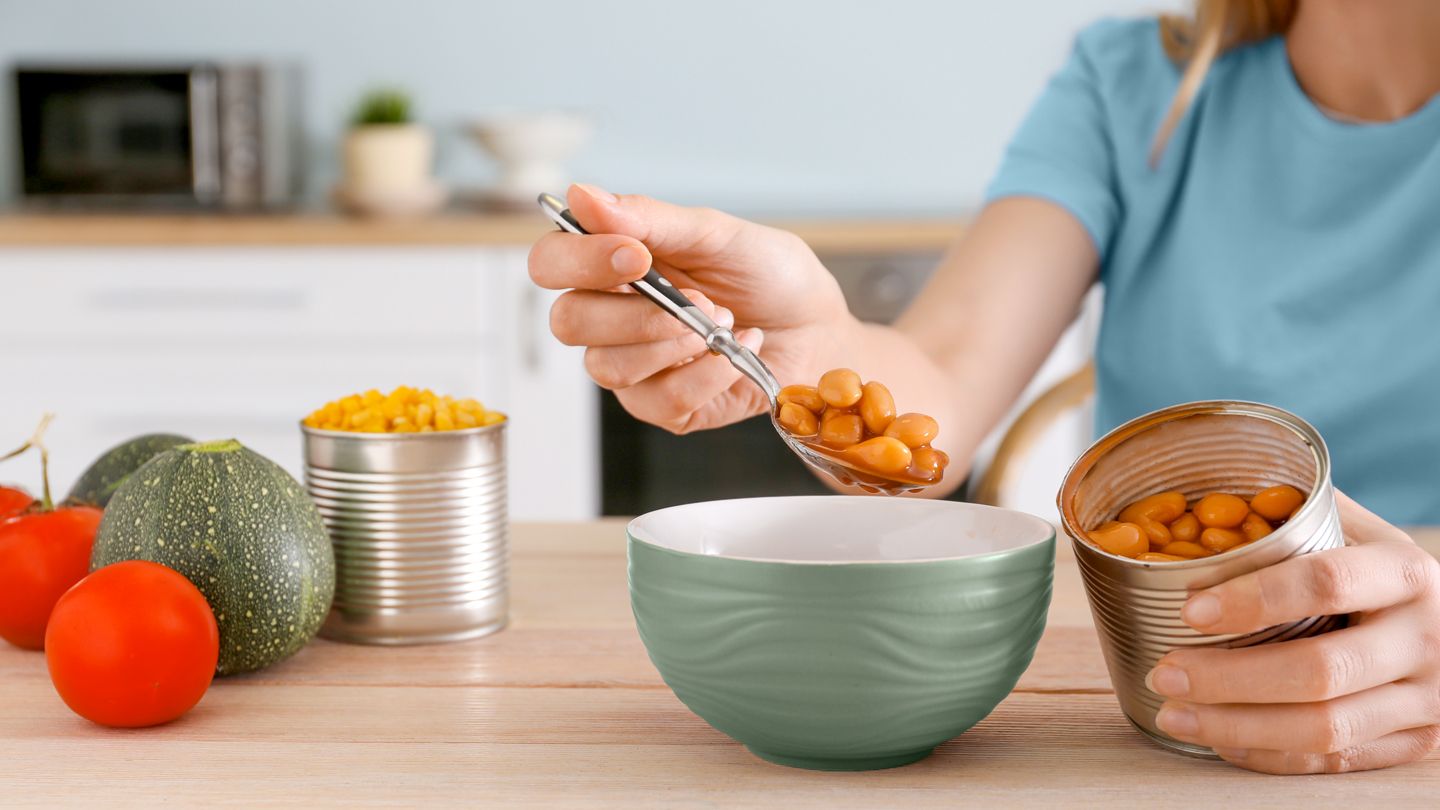
“Many processed foods can help save time and provide great nutrition,” says Rosanne Rust, RDN, author of DASH Diet for Dummies and the owner of Rust Nutrition Services in Florida. “Canned vegetables, canned beans, and frozen fruits, vegetables, and legumes are convenient solutions to get a quick meal on the table.”
She adds that other types of processed foods, like fortified breakfast cereals and breads can help fill nutrient gaps, especially the iron, folate, and other vitamins and minerals needed by children and childbearing women.
3. Myth: Your Body Occasionally Needs a Detox or Cleanse
If someone’s trying to sell you a detox pill, potion, or powder, you probably want to push back, says Milton Stokes, PhD, MPH, RD, a registered dietitian based in the Greater Hartford, Connecticut, area.
“You can safely ditch the idea of detoxing because your body already does it for you,” says Dr. Stokes. Indeed, your liver and kidneys work around the clock to remove waste and toxins.
Beyond the fact that cleanses are unnecessary, they can also be unhealthy for a woman’s body. Highly restrictive, low-calorie diets — like the ones you’d encounter on a detox or a cleanse — can increase your risk of menstrual disorders if followed long-term.
“The overall culture of weight loss in chasing skinny really leads women to believe they need a detox, when they don’t,” adds Feller.
White says instead of restrictive cleanses, “support these organs by staying hydrated, eating a balanced diet rich in fruits and vegetables, and limiting excessive alcohol intake.”
4. Myth: Eating Fat Makes You Fat
This misconception dates back to the late 20th century low-fat movement when women believed any dietary fat you consumed would stay on your hips and thighs forever. Yes, it is true that fats are more calorie-dense than carbohydrates and proteins, but some fats are healthy and essential, and the female reproductive system won’t function properly without them.
Research has also shown that muscular women who also have higher levels of body fat have more protection against heart disease.
“Weight gain is influenced by many different factors, not one specific macronutrient,” says White. “Healthy fats actually play a key role in satiety and nutrient absorption.”
If you want to trim fat out of your diet, start with saturated and trans fats, which have been consistently linked to heart disease and weight gain. White recommends incorporating healthy, monounsaturated and polyunsaturated fats into your diet — which are found in foods like nuts, seeds, avocados, fatty fish like salmon and mackerel, and olive oil — in appropriate portions rather than avoiding fat altogether.
5. Myth: Organic Foods Should Always Be Prioritized
Foods grown with a focus on sustainability, soil and crop standards, and limited use of pesticides have an environmental appeal for many health-minded shoppers, and women are more likely than men to prefer buying and eating organic food. But if the price tag feels a little out of reach, you don’t need to feel guilty if you chose conventionally grown options instead.
“While organic foods can reduce exposure to certain pesticides, they are not necessarily more nutritious than conventionally grown options,” says White. “The most important goal is to eat more fruits and vegetables overall, organic or not, so choose what fits your budget and access.”
The Environmental Working Group puts out an annual list, the Clean Fifteen, that shows which types of produce have the lowest amounts of pesticides.
- Pineapple
- Sweet corn (fresh and frozen)
- Avocados
- Papaya
- Onions
- Sweet peas (frozen)
- Asparagus
- Cabbage
- Cauliflower
- Watermelon
- Mangoes
- Bananas
- Carrots
- Mushrooms
- Kiwi
6. Myth: Protein Is the Most Important Nutrient to Prioritize in My Diet
Between the low-carb dieters, the GLP-1 users who need protein to prevent muscle loss, and midlife women who prioritize it for leaner muscle mass, protein is definitely the “it” nutrient right now. But that doesn’t mean it should crowd all other food groups off your plate.
“Grain foods, fruits, and vegetables provide fiber and a multitude of important vitamins and minerals that the body needs,” Rust says.
Beyond nutritional deficiencies, a high-protein diet can also lead to digestive issues, and potential kidney strain or heart-health problems, particularly if you eat red or processed meats that contain high amounts of saturated fats.
Nutrition guidelines suggest that adults should eat 1.2 to 1.6 grams (g) of protein per kilogram of body weight per day. So if you weigh 150 pounds, you should aim to eat approximately 82 to 109 g of protein a day.
The Takeaway
- For women, healthy eating advice can feel like a minefield, especially when misinformation spreads easily online and among friends. A balanced diet still comes down to getting a mix of nutrients — not following extreme rules.
- Many popular nutrition beliefs are myths: Carbs aren’t inherently bad, not all processed foods are unhealthy, detoxes aren’t needed, and eating fat doesn’t automatically cause weight gain.
- Healthy eating also doesn’t require restrictive choices. Focusing on overall balance, not obsessing over organic foods or specific nutrients, is what supports long-term health.
Read the full article here