Weight cycling — the process of losing weight and regaining it — is more common than you might think. Up to 80 percent of people who lose weight gain it back within five years, with repeated weight loss attempts usually following the same pattern.
“The body doesn’t like to lose weight and keep it off. It really just wants to keep things the same,” says Richard Siegel, MD, an endocrinologist and codirector of the diabetes and lipid center at Tufts Medicine Weight + Wellness in Stoneham, Massachusetts.
The problem is, although losing weight can bring health benefits, weight cycling has been linked to an increased risk of type 2 diabetes and heart disease, among other issues.
1. Your Body May Become More Resistant to Insulin
2. You May Have More Inflammation
3. Your Body May Look Different
4. Your Metabolism May Shift
Research shows the body may become more energy efficient after weight loss, burning fewer calories at rest and storing energy more readily. But weight regain doesn’t necessarily reverse that metabolic shift, leading to more weight gain over time.
5. You May Experience Body Image Issues
Weight cycling is linked to anxiety, depression, and stress, all of which can make long-term weight maintenance more difficult.
How to Break the Cycle
It’s not always easy to lose weight and keep it off. But in general, taking a slow-and-steady approach, without trying to overhaul your lifestyle all at once, may be the best approach.
Go Slow
Aim for gradual weight loss: one to two pounds per week. Losing weight slowly will give you the best chance of keeping it off long term.
Build Muscle
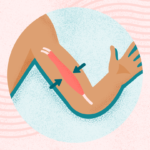
Start by increasing your protein intake and doing strength-training workouts. “The more muscle you have, the better your metabolic rate [the rate at which you burn calories],” says Siegel.
Keep Tabs on Your Weight
You don’t have to weigh yourself every day — and, in fact, probably shouldn’t — but you should be aware of any changes in your body over time. “Ultimately, the people who do the best in keeping the weight down are really watching themselves,” says Siegel. “If their weight seems to be trending up, they use that feedback to reevaluate their nutrition and physical activity.”
Seek Help
Obesity is a disease, and support can help you manage it. “Don’t be afraid to ask for support to help you avoid weight cycling over time,” says Siegel. You may want to meet with an obesity specialist, for example, to help you set realistic, achievable goals or a dietitian, who can help you develop an eating plan that isn’t overly restrictive. Or consider enlisting the help of a psychologist, who can offer strategies for building mental resilience after setbacks.
Consider Treatment
The right treatment can help prevent weight cycling. “Medication or surgery sometimes will extend the percentage of weight reduction beyond lifestyle modifications alone,” says Siegel. Talk to your care team about whether these options might help you lose weight and keep it off.
The Takeaway
- Losing and regaining weight can alter a person’s body composition and metabolism, possibly leading to an increase in fat and a loss of muscle. It can also increase insulin resistance and inflammation over time.
- Weight cycling can also lead to feelings of guilt and failure, increased body dissatisfaction, and a higher risk of disordered eating patterns that may fuel the cycle.
- Taking a gradual approach to weight loss — one that emphasizes building muscle, tracking your progress, and enlisting support from weight management specialists — can help improve long-term weight stability.
Read the full article here