


Resources We Trust Mayo Clinic: Mayo Clinic Discovery Leads to Diagnoses of 9 People With Rare Form of Muscular DystrophyCleveland Clinic: Muscular DystrophyCenters for Disease Control and Prevention: About Muscular DystrophyMuscular Dystrophy Association: Duchenne Muscular DystrophyMyotonic Dystrophy Foundation: What Is Myotonic Dystrophy?
It’s also possible for spontaneous gene variations — in which genes change for no apparent reason, regardless of parental DNA — to cause muscular dystrophy. Such variations occur during development in the embryo. This means the condition can develop in people with no family history of it.e60dc2a1-f33c-4a05-9b50-8e3e8e59762971102ddc-9c1f-440c-9cfb-6e04bd92d324 Given the complexity of how muscular dystrophy can be inherited, couples who want to have children and who know or suspect they carry gene variations that cause muscular dystrophy are generally advised to meet with a genetic counselor to better understand the risk of passing on the disease and discuss ways of lowering that risk.
Diagnosis How Is Muscular Dystrophy Diagnosed? The diagnosis of any type of muscular dystrophy starts with a visit to your doctor or child’s pediatrician, and involves several types of lab and imaging tests.e60dc2a1-f33c-4a05-9b50-8e3e8e5976293f8e6e3c-cdf5-4322-a8c9-1039c37d275be60dc2a1-f33c-4a05-9b50-8e3e8e5976299e7c3255-1179-4f73-9df8-8de63bf86244 Patient History The doctor will ask about symptoms, general health, past illnesses, and any family history of the condition. Physical Examination The doctor will look for any abnormal curvature in your spine, abnormalities in the way you walk, or evidence of muscle wasting, weakness, or diminished reflexes. Blood Tests These include measuring your level of creatine kinase, an enzyme that leaks out of damaged muscle. A very high level indicates a muscle disorder such as muscular dystrophy. Genetic Tests Because muscular dystrophy is a genetic disorder, your doctor will likely recommend you undergo genetic testing to determine whether you have any genetic variations — particularly if your blood tests reveal an elevated creatine kinase level. Muscle Biopsy A small sample of muscle tissue may be surgically removed and examined under microscope for the presence and appearance of specific proteins. It can also be used to extract DNA for genetic testing. Neurological Tests These can rule out nervous system disorders that could cause similar symptoms. Heart Tests Some forms of muscular dystrophy cause heart problems, such as an irregular heartbeat or cardiomyopathy. Tests including an electrocardiogram can measure the rate and frequency of heartbeats. Imaging Tests Magnetic resonance or ultrasound imaging may be used to examine muscle quality and bulk, as well as the fatty replacement of muscle tissue. This can help spot muscle wasting and other symptoms of muscular dystrophy.
Prognosis Muscular Dystrophy Prognosis The life expectancy, or life span, for people with muscular dystrophy depends on the type involved, and when it’s diagnosed. Children, for example, who develop DMD may die in their late teens or early twenties from heart trouble, respiratory complications, or infections, although new ventilator technologies and improved drug treatments have extended the lives of many people with this form of muscular dystrophy.e60dc2a1-f33c-4a05-9b50-8e3e8e597629376fee33-f060-4310-a5d6-5617b9177b72 Life expectancy for people with myotonic dystrophy varies considerably. Many people have a normal life expectancy, but those with more severe congenital forms — from birth — may die while still a newborn or only survive for a few years. In addition, people with myotonic dystrophy can develop heart problems that may lead to death in their thirties or forties.e60dc2a1-f33c-4a05-9b50-8e3e8e5976299176e848-535d-4abc-986b-aa9ef2cb7c3b People with other types of muscular dystrophy may have a normal life span. But symptoms can vary from mild to severely disabling, affecting mobility and other necessary functions — like eyesight and hearing — later in life.e60dc2a1-f33c-4a05-9b50-8e3e8e59762937e2ca7e-e1f2-4628-8a7a-a490027e235f
A third type of genetic inheritance is called a sex-linked, or X-linked, disorder, in which the genetic variation is carried on the X chromosome. Because males have only one X chromosome, they’re more likely to have X-linked forms of muscular dystrophy than females, who have two X chromosomes. That’s because in females, the normal copy of the X chromosome can usually compensate for the one that has the variation.
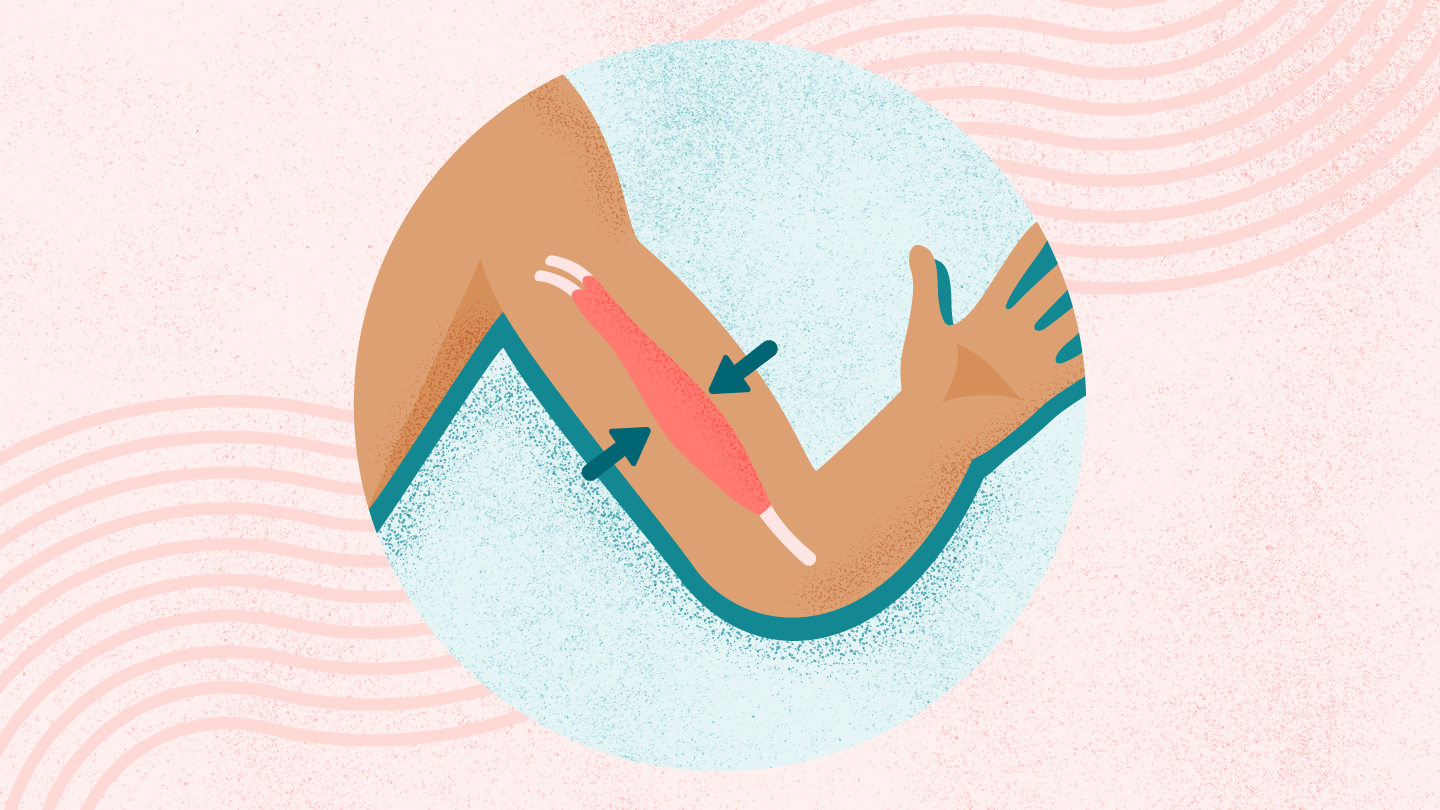
Muscular dystrophy is a group of more than 30 inherited conditions that cause progressive muscle weakness and loss. Some forms of muscular dystrophy are diagnosed in infancy or childhood, while the symptoms of others may not start until early or even late adulthood.e60dc2a1-f33c-4a05-9b50-8e3e8e5976296e6962b5-fd1e-40e5-8e98-81e5f02232dd The different types of muscular dystrophy vary in terms of when symptoms start (in infancy, childhood, or adulthood), who they affect (men, women, or both), which muscles they affect, and what their symptoms are. But all forms of muscular dystrophy become increasingly worse or progress — meaning that your muscles get weaker the longer you live with the condition. As a result, most people with muscular dystrophy eventually lose the ability to walk and must use a wheelchair to get around. Still, some people with the condition have mild cases that progress slowly, while others experience symptoms that quickly become severe and disabling. At present, there’s no cure for muscular dystrophy, although certain treatments — including physical therapy, speech therapy, assistive orthopedic devices, surgery, and prescription medications — can help to slow progression, control some symptoms, and reduce the risk of complications.
Types Types of Muscular Dystrophy Each type of muscular dystrophy has some unique characteristics. The following are the major types of the disease.e60dc2a1-f33c-4a05-9b50-8e3e8e59762920ac6f6d-e5a0-43c8-9a21-e12a8e889d9b Duchenne Muscular Dystrophy The most common and severe form of muscular dystrophy among children, primarily boys, is Duchenne muscular dystrophy (DMD) . DMD accounts for more than half of all cases of muscular dystrophy among children, and it’s caused by a lack of or dysfunction of dystrophin.e60dc2a1-f33c-4a05-9b50-8e3e8e5976297e2abfe4-ce3b-4710-a2e2-08df00548ccd Dystrophin is a protein that helps strengthen muscle fibers and protect them from injury. Children who have DMD usually experience initial weakness in their upper legs and pelvis. Symptoms include frequent falls, difficulty rising from a lying or sitting position, appearing to waddle when walking, having difficulty running or jumping, and having enlarged calf muscles from scar tissue buildup and replacement of muscle with fat tissue. Symptoms of DMD typically appear during the toddler or preschool years and progress rapidly. Most children with DMD are unable to walk by age 12 and may eventually need a medical device to help them breathe.e60dc2a1-f33c-4a05-9b50-8e3e8e597629a7399b0a-7af3-4cf4-986c-9ef6c4bdb012e60dc2a1-f33c-4a05-9b50-8e3e8e5976296ed26ff2-0401-403d-b4a3-91d507b6b1f9 Becker Muscular Dystrophy Another form of muscular dystrophy caused by dystrophin deficiency is the Becker type. Becker muscular dystrophy has symptoms similar to those of DMD, but they tend to be milder and appear later in life — usually between ages 11 and 25, although they can also appear much later. Like DMD, Becker muscular dystrophy occurs primarily in boys and men.e60dc2a1-f33c-4a05-9b50-8e3e8e59762957fce2b3-bca2-4b29-8638-0c71c8ddced1 Some people with Becker may never need to use a wheelchair, while others lose the ability to walk during their teens or later. Myotonic Dystrophy Myotonic dystrophy is the most common adult form of the condition. The main symptom is the inability to relax your muscles following a contraction, and it often causes heart rhythm problems as it progresses. Symptoms usually start in a person’s twenties or thirties.e60dc2a1-f33c-4a05-9b50-8e3e8e59762903264653-9bde-4449-a6c1-3ac3967d7059 Congenital Muscular Dystrophy Congenital muscular dystrophy is a term for dozens of different conditions that typically begin to appear in children age 2 and younger. It affects both boys and girls, and those children who have it often need support to sit or stand and may never learn to walk.e60dc2a1-f33c-4a05-9b50-8e3e8e59762975e7dbb0-81c2-4deb-9c51-cd124dc225ef The most common subtype of congenital muscular dystrophy involves a defect in or lack of the protein merosin, or laminin 211, which surrounds muscle fibers.e60dc2a1-f33c-4a05-9b50-8e3e8e59762961a79b3b-57f2-4bba-965f-9244ce71f66e Infants with congenital muscular dystrophy may have problems with motor function and muscle control that appear at birth or during infancy; develop chronic shortening of muscles or tendons around joints, called contractures, which prevent joints from moving freely; develop scoliosis (sideways curvature of the spine); have breathing and swallowing problems; have foot deformities; and have intellectual disabilities.e60dc2a1-f33c-4a05-9b50-8e3e8e597629ae4101d6-4dc3-413a-9ef2-11e4c53abf6f Facioscapulohumeral Dystrophy Facioscapulohumeral dystrophy (FSHD) mainly affects the face (“facio”), shoulders (“scapulo”), and upper arms (“humeral”). Symptoms typically appear during the teenage years, although they may not start until age 40. Muscle weakness is usually more pronounced on one side of your body than the other.e60dc2a1-f33c-4a05-9b50-8e3e8e597629ee49679b-5791-4a5d-996e-28ea7e57379e People with FSHD may have difficulty opening and shutting their eyes or be unable to smile or pucker their lips. Other symptoms may include muscle wasting that causes the shoulders to appear slanted, impaired reflexes in the biceps and triceps, and difficulty swallowing, chewing, or speaking, as well as hearing loss. The condition may also cause an inward curvature in the spine called lordosis. Limb-Girdle Muscular Dystrophy People with limb-girdle muscular dystrophy first develop weakness around their hips, which usually spreads to the shoulders, legs, and neck. This may cause a waddling style of walking. Limb-girdle muscular dystrophy can progress quickly or slowly, but most people with the condition become severely disabled because of muscle damage and may be unable to walk within 20 years of being diagnosed.e60dc2a1-f33c-4a05-9b50-8e3e8e597629f01e20af-e043-4726-b741-a45e32bab87ae60dc2a1-f33c-4a05-9b50-8e3e8e597629c2d3858e-0467-4444-a567-e42d0d8494be Different subtypes of limb-girdle muscular dystrophy are caused by different gene mutations. They affect both males and females, usually once they reach adolescence or young adulthood. Emery-Dreifuss Muscular Dystrophy Emery-Dreifuss muscular dystrophy can appear in childhood or adulthood and can progress quickly or slowly. It causes a combination of joint contractures, muscle weakness, and heart problems.e60dc2a1-f33c-4a05-9b50-8e3e8e597629322151ee-cbef-4c06-bf32-f43aaad5c2bb One type of heart problem that is characteristic of Emery-Dreifuss muscular dystrophy is called a conduction block, in which the rhythm of one’s heartbeat is disrupted because the electrical impulses don’t communicate properly between the heart’s upper and lower chambers. A conduction block can lead to breathlessness, fainting, and even sudden cardiac arrest. It can be treated with insertion of a pacemaker.e60dc2a1-f33c-4a05-9b50-8e3e8e597629ac031064-7e84-4e6d-9396-356bdcc8e557 Emery-Dreifuss occurs most commonly in males, but girls and women who carry a genetic mutation that causes it may have heart conduction defects and muscle weakness.e60dc2a1-f33c-4a05-9b50-8e3e8e5976299da35335-e103-4050-b73e-902f1a7552c1 Distal Muscular Dystrophies Distal muscular dystrophies refer to a group of diseases that affect the distal muscles — those of the forearms, hands, lower legs, and feet. They can occur in both men and women, usually between ages 40 and 60 years.e60dc2a1-f33c-4a05-9b50-8e3e8e597629169a520e-8bf7-45ac-b1d2-5bfa1f227af3 Distal muscular dystrophy tends to be less severe and progresses more slowly than other forms of the condition, but it can spread to other muscles. People with this form of muscular dystrophy may have a hard time using their hands and fingers, and they have trouble walking and climbing stairs. Some forms can lead to breathing problems as the condition progresses. Oculopharyngeal Muscular Dystrophy Oculopharyngeal muscular dystrophy occurs in both men and women — usually in their forties or fifties — and is particularly common among people with French Canadian or Ashkenazi Jewish ancestry, and Hispanic people from northern New Mexico.e60dc2a1-f33c-4a05-9b50-8e3e8e5976297eff91f2-b917-4c5f-b4ad-fe7a9da2273a Oculopharyngeal muscular dystrophy can be mild or severe. It may cause drooping eyelids and other vision problems, swallowing problems, and muscle wasting and weakness in the neck, shoulders, and limbs. People with this form of muscular dystrophy may eventually lose their ability to walk.e60dc2a1-f33c-4a05-9b50-8e3e8e5976294856bb96-db59-42c2-9522-bd8ce1de3025
Symptoms Signs and Symptoms of Muscular Dystrophy The signs and symptoms of muscular dystrophy , and their severity, vary from one type of the disease to another and from one individual to another. And while the symptoms of all types of muscular dystrophy get worse over time, the pace at which that happens also varies from type to type and person to person. It may also depend on the age at which a person is diagnosed and first receives treatment. For some types of muscular dystrophy, drug treatments can slow symptom progression somewhat.e60dc2a1-f33c-4a05-9b50-8e3e8e59762949923440-42c0-428c-8160-393b9a5adb7c While each person with muscular dystrophy is unique, some of the most common signs and symptoms of the disease include the following: Muscle weakness Difficulty walking Frequent falling Difficulty getting up from a lying or sitting position Limited movement at certain joints (called contracture) Heart problems Problems with breathing and swallowing Muscle pain or stiffness Some forms of muscular dystrophy, such as congenital muscular dystrophy and Duchenne muscular dystrophy, are also associated with learning disabilities, intellectual disabilities, and cognitive impairments.
For other types of muscular dystrophy, you need only inherit one copy of a nonworking gene from one parent to have the disease; this is called a dominant inherited disorder.
The Takeaway Muscular dystrophy is a group of more than 30 inherited conditions that cause progressive muscle weakness and loss. The symptoms and progression of muscular dystrophy vary considerably depending on which type you have. While there is no cure, treatment with medications and physical therapy can help control your symptoms and maintain your quality of life.
Treatment Treatment and Medication Options for Muscular Dystrophy There’s no cure for muscular dystrophy, and no treatment can reverse the damage it causes to muscles. But there are therapies and medications that can address some of the problems associated with the symptoms and help control the symptoms themselves.e60dc2a1-f33c-4a05-9b50-8e3e8e59762901a5f9b0-cfed-4031-8a75-b5122557abda Medication Options Prescription medications that can help slow or control the symptoms of the condition include the following:e60dc2a1-f33c-4a05-9b50-8e3e8e597629aa7019a4-8e8b-4369-becb-8b85a33cf9c3 Glucocorticoids like prednisone (Deltasone) and deflazacort (Emflaza, Kymbee), which can help increase muscle strength, improve respiratory function, and slow the progression of muscle weakness Anticonvulsants , which though typically taken for epilepsy, may help control seizures and some muscle spasms caused by muscular dystrophy Immunosuppressants , which may help delay some damage to muscle cells Antibiotics , which may be needed to treat respiratory infections, since muscular dystrophy can impact your immune system’s ability to fight them off Children with Duchenne muscular dystrophy have additional options that target the gene changes that cause the disease. They include:e60dc2a1-f33c-4a05-9b50-8e3e8e597629d0d5e276-fd96-4957-bccc-660f18d44fd7 casimersen (Amondys 45) eteplirsen (Exondys 51) golodirsen (Vyondys 53) viltolarsen (Viltepso) delandistrogene moxeparvovec-rokl (Elevidys) Therapies These therapies can also help you maintain your quality of life and ability to perform day-to-day tasks.e60dc2a1-f33c-4a05-9b50-8e3e8e597629634cb475-edf9-42ee-b4b9-c9dc28df8f8b Physical Therapy Working with a physical therapist can help you keep muscles flexible and strong. A physical therapist may also recommend a combination of light muscle-building and stretching exercises to help you maintain strength and flexibility. Speech Therapy Some forms of muscular dystrophy cause weakness in the facial and throat muscles, affecting speech or swallowing. Speech therapists can teach people how to work around these problems or, if needed, use special communication equipment. Occupational Therapy As your physical abilities change, an occupational therapist can teach you techniques to conserve your energy while performing daily tasks or how to find alternative ways of accomplishing what you wish to do. An occupational therapist can also teach you how to use assistive devices such as wheelchairs and utensils, if needed.
Complications Complications of Muscular Dystrophy Complications are generally understood to be indirect, or sometimes long-term, consequences of having a condition, although they may also overlap with symptoms in some cases. These are some of the health complications associated with muscular dystrophy:e60dc2a1-f33c-4a05-9b50-8e3e8e597629aacba13e-cd98-4cc1-9adc-56a426f72c83 Contractures Contractures are the shortening of muscles or tendons around the joints, and they can limit mobility beyond that caused by muscle weakness. Regular stretching and range-of-motion exercises can delay contractures, but if they become severe, your doctor may recommend surgery, which may restore some joint function and reduce discomfort. Breathing Difficulties As it progresses, muscular dystrophy may affect the muscles associated with breathing. As a result, an individual with muscular dystrophy may need to use a breathing device (a ventilator), perhaps initially only at night but possibly also during the day. Sleep apnea, in which a person repeatedly stops breathing during sleep, is a common respiratory problem in people with muscular dystrophy. Coughing Difficulties Weakened respiratory muscles interfere with a person’s ability to cough, and inadequate coughing allows mucus secretions to accumulate in the lungs, raising the risk of infection. Some people with muscular dystrophy need to use a cough assist device or manual assistance to clear secretions. Swallowing Difficulties Progressive muscle weakness may negatively affect the ability to swallow when eating or drinking. Some of the potential consequences of swallowing difficulties include nutrient deficiencies and a condition called aspiration pneumonia, in which food or mouth secretions can get trapped in the lungs, leading to pneumonia, a lung infection. In some cases, a speech-language pathologist can help you relearn how to swallow. Alternatively, your doctor may recommend the use of a feeding tube to ensure proper nutrition. Heart Disease The heart muscles may be affected by muscular dystrophy as the condition progresses. One common heart complication in people with muscular dystrophy is called cardiomyopathy. As the name indicates, cardiomyopathy is a heart muscle disease, and it can cause heart failure. The condition is treatable. Your doctor may recommend blood pressure medications and other drugs to help you maintain adequate heart function. Women who carry a genetic mutation that causes DMD are at a higher than normal risk of developing fibrosis, or scarring, of the heart muscles at a relatively young age. The condition leads to deterioration of heart function.e60dc2a1-f33c-4a05-9b50-8e3e8e59762963f4d576-78bc-4ac5-a960-5d9ef202ecb2 Scoliosis Spinal complications are common in some forms of muscular dystrophy. The most frequent is scoliosis, or curvature of the spine to one side or the other. It typically occurs in people who can no longer stand or walk and who use a wheelchair full-time. Osteoporosis Another orthopedic complication linked with muscular dystrophy is osteoporosis, a condition in which the bones become fragile because of a loss of mass. While osteoporosis is normally associated with older age, in people with muscular dystrophy, it may develop as a result of treatment with corticosteroids, particularly in those with DMD. People with osteoporosis are at increased risk for bone fractures — an important consideration given that weakness in the legs from muscular dystrophy may make a person more prone to falling.
Causes Causes and Risk Factors of Muscular Dystrophy Muscular dystrophy is caused by genetic variations that interfere with the production of proteins needed to build and maintain healthy muscles.e60dc2a1-f33c-4a05-9b50-8e3e8e597629bdae26ee-838b-4cb7-8e6e-ec66a8bc0c25 The most common forms of muscular dystrophy are caused by a variation on the X chromosome influencing production of a protein called dystrophin, while other types of muscular dystrophy have their own set of unique genetic variations, affecting the production of other proteins. But even within one type of muscular dystrophy, different individuals may have different genetic variations, leading to similar, but not identical, symptoms. In most cases, the genetic variations that cause muscular dystrophy run in families and are passed from parents to children. For some types of muscular dystrophy, you have to inherit two copies of a nonworking gene, one from each parent, to have the disease; this is called an autosomal recessive inherited disorder.
Read the full article here


Leave a comment
