The 3 Phases of the IBD-AID
One of the most distinctive features of the IBD-AID is its correlation with the three phases that most people with IBD experience. Each phase has foods that should be emphasized, says Castro.
Phase 1: Acute Flares
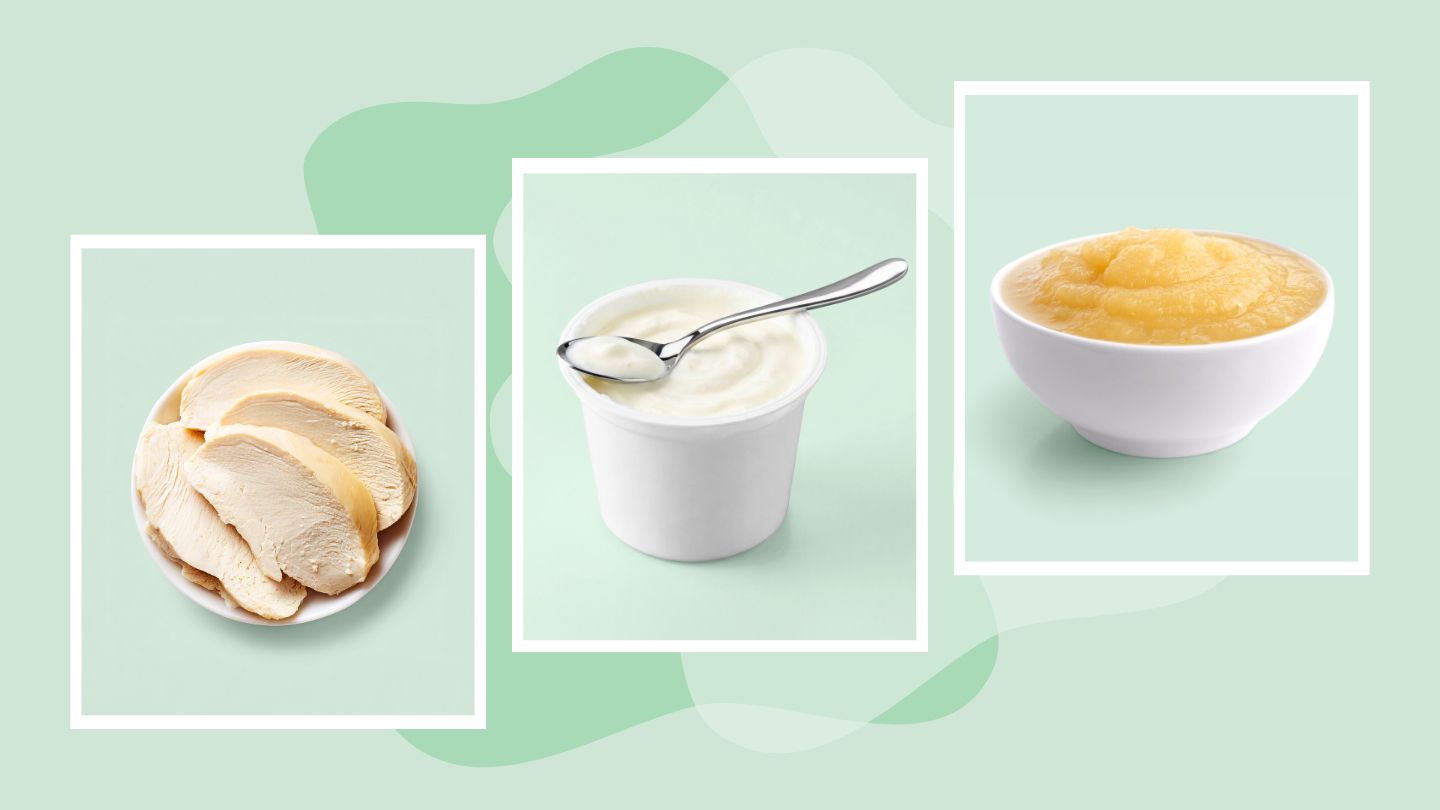
When symptoms affect your ability to eat, the best foods to have are low in fiber and soft, Dr. Farhadi says. Fiber is generally an important part of a healthy diet, but during a flare, fibrous foods, especially those with rough textures like nuts or the skins and seeds of certain fruits and vegetables, can be hard to digest and may make symptoms worse.
- Smoothies
- Oatmeal
- Pureed vegetables or soups
- Yogurt
- Well-cooked lean protein, like poultry, fish, and eggs
- Applesauce
- Ripe bananas
“Textures are really important during a flare, so it’s helpful to puree, mash, or slow-cook foods for easier digestion,” Castro says. Processing food this way helps break down fiber, so your digestive system can access nutrients with less work.
Phase 2: Transitioning as Symptoms Improve
As a flare settles, your symptoms will typically improve, and you may experience less urgency and frequency of bowel movements, as well as less pain, Farhadi says. In this phase, more fibrous foods can be added, but you may still have some difficulty with high-fiber choices.
Some options for this phase include the following:
- Cooked or raw soft greens, like collard greens, butter lettuce, or baby spinach (without stems)
- Well-cooked lean meat
- Nut butter
- Baked goods made with bean flour or nut flour
- Aged cheese
- Tomatoes
- Pureed berries, with seeds strained out
Phase 3: Maintenance During Remission
When symptoms have stabilized, you’re considered in a maintenance phase, aka remission, says Farhadi. “Although you can eat a much wider variety of foods in this phase, it’s still important to pay attention to how they affect you,” he says.
Some foods recommended during this phase include these options:
- Stir-fried vegetables
- Shellfish
- Whole beans
- Fermented foods that may have been difficult to digest in phases 1 and 2
- Citrus fruits
“The goal would be to have a large variety of whole-food options during phase three,” says Castro. A diet with more food diversity helps you build a healthy gut microbiome, she says. Fermented foods in particular add probiotics to boost gut health; options include yogurt, kefir, kimchi, raw sauerkraut and other fermented vegetables, tempeh, and miso.
Read the full article here