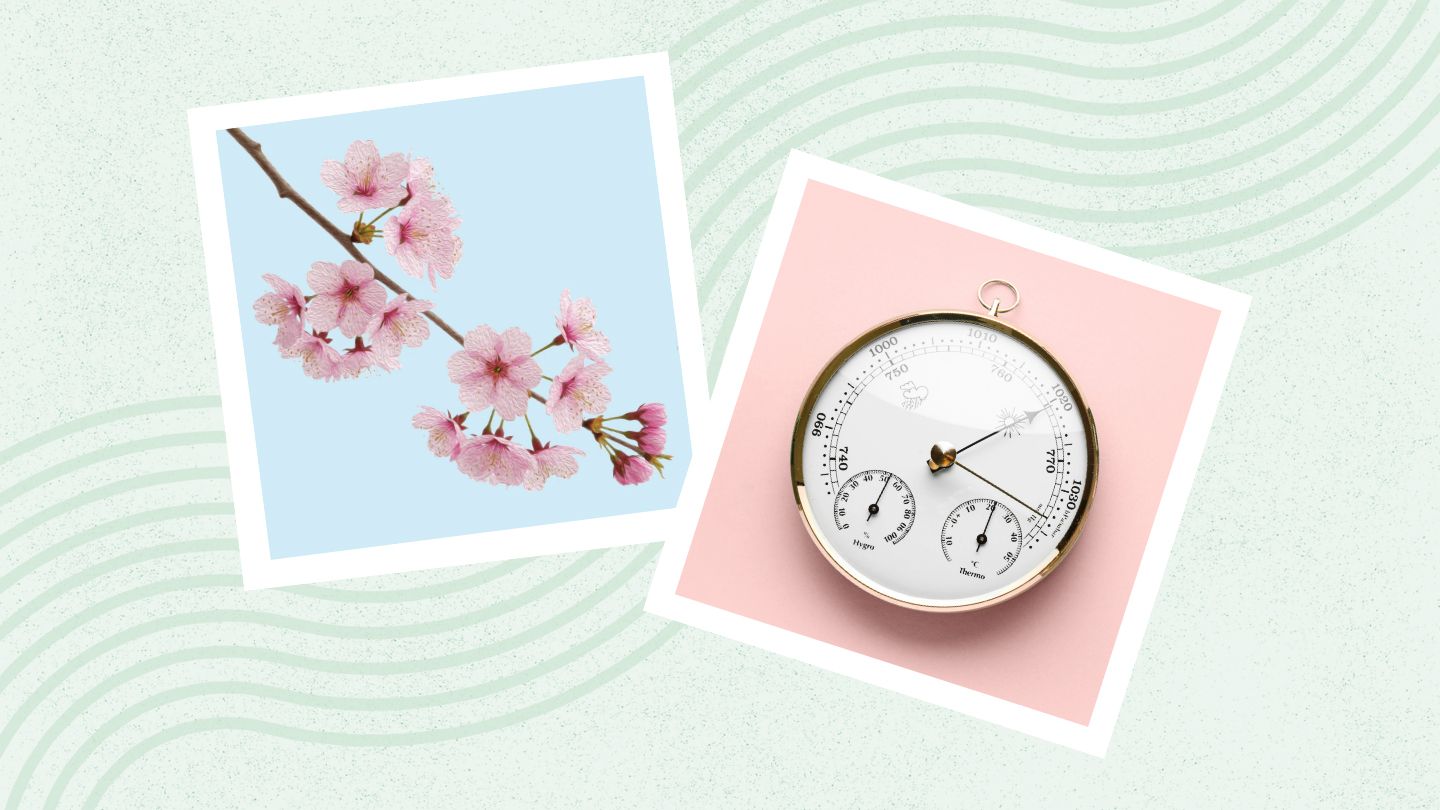
1. Barometric Pressure and Humidity Shifts
Springtime may be pretty and pleasant, but it’s also notoriously moody weather-wise.
Those rapid weather fluctuations cause changes in barometric pressure, which, along with damp air, reportedly worsens joint pain for some people with arthritis. Some people with osteoarthritis report that higher humidity makes their pain more pronounced, according to the Arthritis Foundation.
But is there any evidence to back up those claims? Experts say yes.
“The relationship between weather and joint pain is one of the most common things my patients bring up,” says Diana Girnita, MD, a rheumatologist with her own practice called Rheumatologist OnCall in Irvine, California. “There is evidence suggesting that drops in barometric pressure can cause the fluid in the joints to become thicker, increasing pressure and discomfort in already inflamed spaces. The rainy, low-pressure days will also increase pain levels.”
But studies looking at the effects of rain, damp air, and humidity on arthritis symptoms have been inconclusive, according to Harvard Health Publishing. Some have found that rising barometric pressure can increase joint pain and stiffness, while others have concluded those symptoms are aggravated by falling barometric pressure instead.
“The study tested the relationship between pain and four weather variables: relative humidity, wind speed, atmospheric pressure, and temperature,” Dr. Liao says. “Temperature had no relationship with reported pain. … Relative humidity had the strongest association with pain, where higher humidity was associated with higher odds of pain.” She says the findings align with what her patients tell her.
If you suspect atmospheric pressures and changes may affect your RA symptoms, Dr. Girnita has some easy-to-incorporate tips.
“Stay warm and layer up during temperature swings,” she says. “Keep joints moving with gentle range-of-motion exercises on damp days rather than resting completely, which can increase stiffness.”
It can also help to take notes. “If you notice a pattern with weather changes, track your symptoms alongside the forecast,” Girnita suggests.
Read the full article here