Most of us don’t plan our meals around condiments, instead focusing on the main components, like protein and vegetables. “Because of that, condiments are often used mindlessly, and as with many foods, people tend to underestimate portion sizes,” says Shannon Stockero, RD, a Minneapolis-based registered dietitian and a member of the Obesity Society. “It’s common to have multiple servings of things like salad dressing, ketchup, or sauces without realizing it.”
Many condiments are high in calories, added sugar, sodium, or saturated fat. Over time, adding bits of these condiments here and there can have a meaningful impact on total energy intake, Stockero notes.
That said, some condiments can benefit health by providing nutrients such as fiber, healthy fats, and antioxidants, in addition to flavor. “Condiments are one of the simplest ways to upgrade a meal without completely changing what you’re eating,” says Brittany Poulson, RDN, CDCES, a registered dietitian–nutritionist and certified diabetes care and education specialist based in Grantsville, Utah. “That can make it easier for people to eat more vegetables, build balanced meals, and stick with healthy habits long term.”
With that in mind, here are seven healthy, RD-approved condiments to keep on hand.
1. Mustard
Plus, mustard seeds (a component of the condiment) contain compounds such as glucosinolates, which have antioxidant and anti-inflammatory properties, among other potential benefits.
How to use it: Beyond using it on hot dogs, hamburgers, and pretzels, Poulson suggests whisking mustard into a simple salad dressing with olive oil and vinegar; spreading it on roasted vegetables before baking; or using it as a low-fat, low-calorie alternative to mayonnaise in tuna or chicken salad.
2. Salsa
“Salsa is a great way to add flavor without excess fat,” Stockero adds.
How to use it: Salsa is more than a great dip for veggies or chips, or a topping on tacos, fajitas, and burritos. Stockero suggests combining it with vegetable stock to cook rice or other grains, using it as a base for tortilla soup or chili, or combining it with chicken breast in a slow cooker for an easy weeknight meal.
3. Hummus
How to use it: Crabtree suggests using hummus as a topping for grain bowls, spreading it on sandwiches or wraps in place of mayo, tossing it with roasted vegetables for added flavor and richness, or thinning it with water and lemon juice to create a creamy salad dressing. “It also pairs surprisingly well with simple chicken or tuna salads as a replacement for, or addition to, mayo,” she notes.
4. Vinegar
Vinegar adds bold flavor with minimal calories and no added sugar, reducing the need for heavier dressings, Poulson says.
It also contains organic compounds like polyphenols and acetic acid that may support cardiometabolic health, and research suggests that regular consumption of these improves blood sugar control, lowers cholesterol, and reduces blood pressure.
Most simple vinegar varieties — including white wine, red wine, balsamic, rice, and apple cider — are healthy options, Poulson adds. Just be aware that sweetened variations, like balsamic glaze, tend to be high in calories and added sugar.
How to use it: Poulson suggests using vinegar to brighten up grain bowls or pasta salads. Or drizzle it over roasted vegetables or fresh fruit, such as strawberries or watermelon.
5. Hot Sauce
Most hot sauces have few or no calories, and as with mustard, a little goes a long way.
How to use it Poulson suggests adding hot sauce to soups or chilis for added depth of flavor, mixing it into eggs or avocado toast, or stirring it into hummus or yogurt-based dips for a spicy twist.
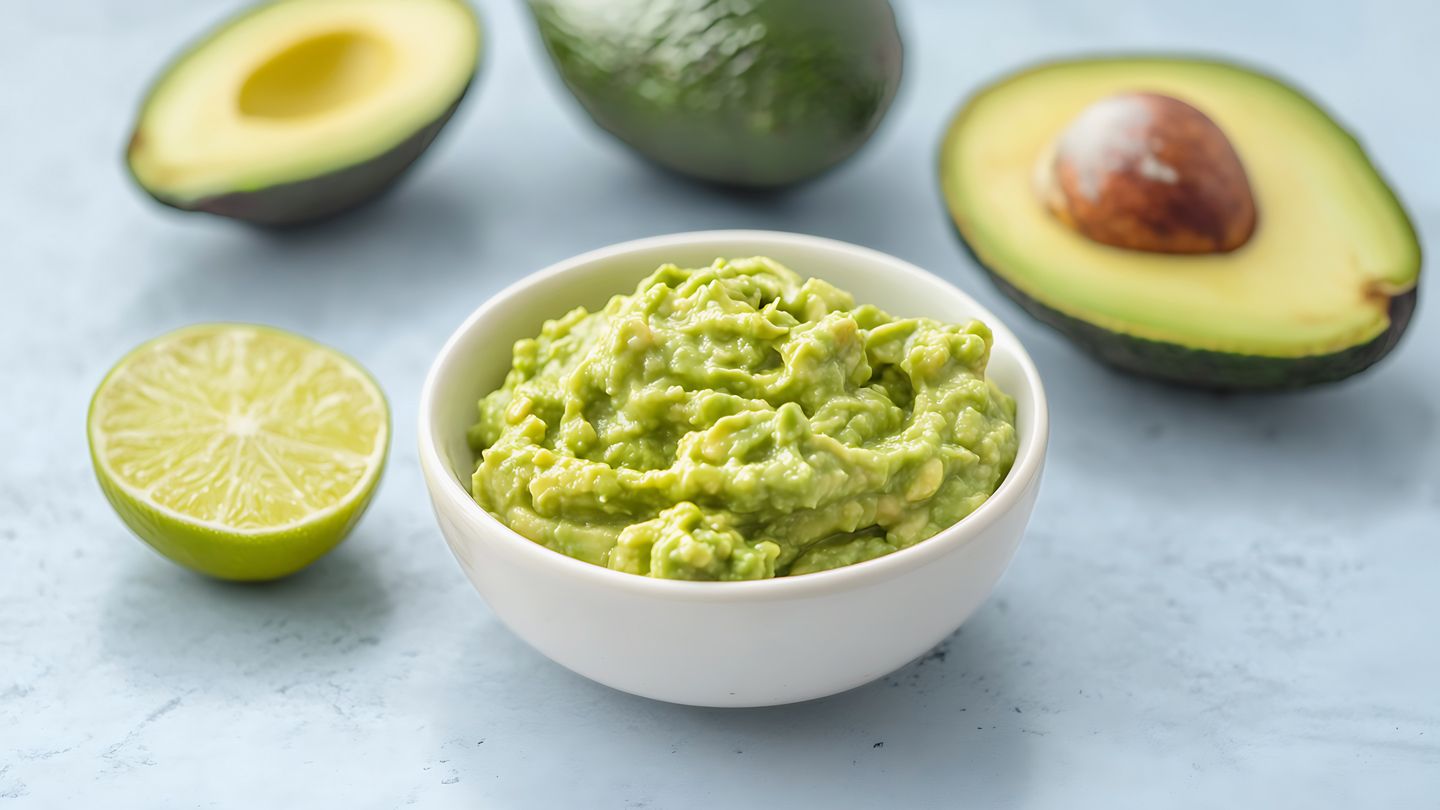
6. Guacamole
Guacamole also provides nutrients that support eye health, including vitamins C and E, as well as the antioxidants lutein and zeaxanthin.
How to use it: Crabtree suggests trying it as a spread on sandwiches and wraps in place of mayo or spooning it over eggs or roasted veggies. You can also thin it into a healthier alternative to traditional creamy salad dressing with water or vinegar, lime juice, garlic, and cilantro.
7. Sauerkraut and Kimchi
These pickled cabbage condiments are also low in calories and rich in a type of fiber known as prebiotics, which help feed probiotics, Crabtree says. For maximum benefit, she recommends looking for unpasteurized varieties in the refrigerated section, as pasteurization can kill live probiotic cultures.
How to use it: Both of these condiments are delicious straight from the jar and make great toppings for avocado toast, sandwiches, burgers, and wraps. Crabtree also suggests adding them to salads, slaw, or grain bowls.
The Takeaway
- Most of us don’t pay much attention to condiments. Still, these additions can be high in calories, sodium, saturated fat, and added sugar, which may affect the nutritional value of meals.
- Choosing healthy options is one simple way to sneak more beneficial nutrients — like vitamins, minerals, and healthy fats — into your diet.
- The healthiest condiments include mustard, salsa, hummus, vinegar, hot sauce, guacamole, sauerkraut, and kimchi.
Read the full article here