Safe Exercise Selection and Modification
Aerobic, strength, balance, and respiratory training should all be a part of your exercise plan.
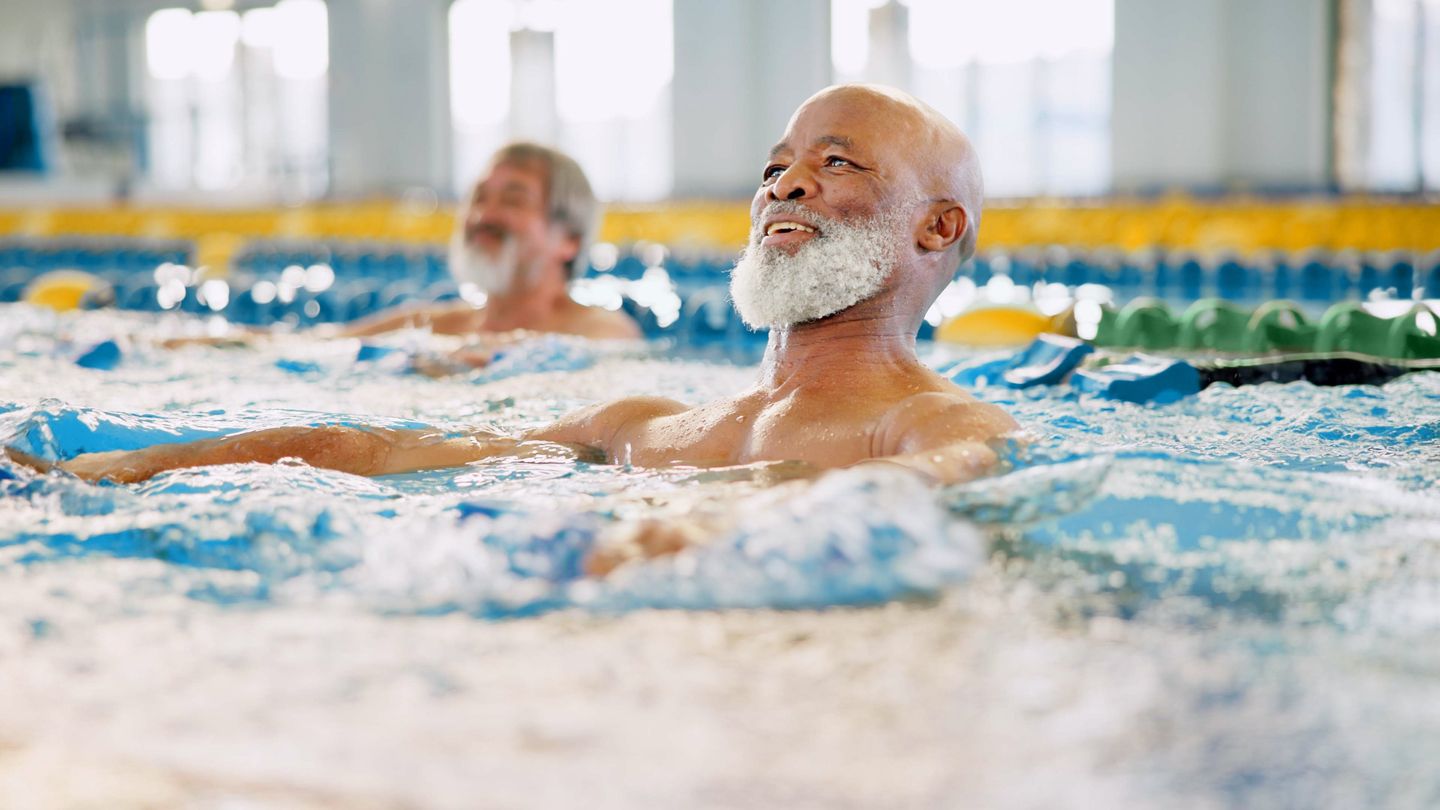
With aerobics, stick to low-impact activities like walking, stationary cycling, and swimming to reduce fall risk and joint and bone stress. Research shows that these activities can improve physical performance, lung functioning, and your ability to carry out daily activities without worsening your symptoms. But if you choose to swim in a pool, Du notes, make sure it’s low temperature to avoid heat-related fatigue.
Stick to low- to moderate-intensity exercises. Avoiding actions that are too strenuous and repetitive is important, since your muscles need additional rest. “You can also rotate through the muscle groups that you’re exercising,” Du says.
Balance and flexibility training, such as through yoga or tai chi, can improve overall stability and help prevent falls. Start slowly at first, focusing on seated movements, if necessary. Yoga poses that focus on stretching rather than balance is a great way to get your body moving even if you feel tired.
Myasthenia gravis can affect your ability to breathe and swallow, and research shows that respiratory muscle training can help improve not only these issues but also your fatigable weakness. Exercises specifically targeting the bulbar muscles — those in the head and neck that are involved in speaking, chewing, and swallowing — are also beneficial, Du says, so speak with your physical therapist about what works for you.
If you’re looking to play sports, low-aerobic, low-intensity sports like golf, bowling, cricket, and curling are safe options.
Read the full article here