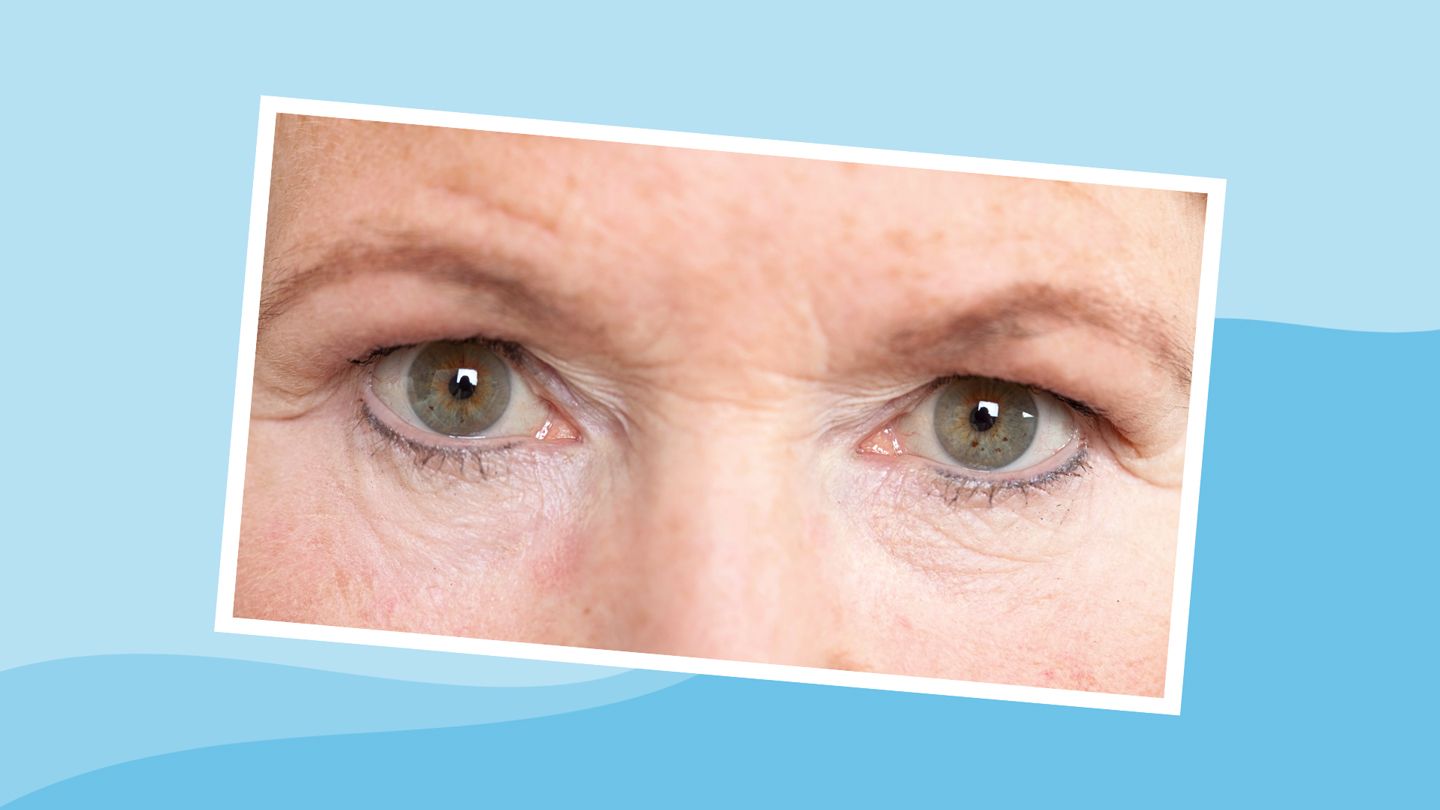
Treatment depends on what is causing the heaviness: the eyelid-lifting muscle, excess skin, the brow, or some combination.
Which issue is causing droopy eyelids can be tricky and requires a complete physical examination by an oculoplastic surgeon, says Dr. Perry.
Your doctor will also ask about your symptoms in order to “tease apart which of these factors is bothering you cosmetically as well as functionally in terms of vision,” he says.
Nonsurgical Options
Prescription eyelid-lifting drops may help some people with mild to moderate ptosis. The drops can provide about 1 to 2 millimeters (mm) of eyelid lift, with effects lasting about eight hours, says Dr. Liss. “The downsides are that the effect is temporary, the drops can be expensive, and some people may be sensitive to them,” he says.
Cosmetic injectables may help in select cases, but they do not fix true eyelid drooping or remove extra skin. “Botox or similar agents can create a mild brow lift for about three months, which may reduce some upper-lid overhang,” says Liss. Fillers are mainly used for hollowing or volume loss, though they may give the brow a slightly lifted appearance, he says.
Skin-tightening procedures such as radiofrequency, laser resurfacing, and similar treatments may soften fine wrinkles or slightly reduce excess skin, but “really do not play a role in treating droopy eyelids or excess upper eyelid skin,” says Liss
Surgical Options
A form of surgery called blepharoplasty can treat drooping eyelids when excess eyelid skin is the main problem. “We basically remove a strip of extra skin from the eyelid and sometimes manipulate or remove some of the fatty puffy tissues beneath the skin,” says Perry.
“Ptosis repair is a different surgery that aims to tighten, shorten, or reposition the muscle that raises the eyelid,” says Liss.
Deciding which surgery is best is sometimes a judgment call and requires a careful examination by the surgeon, says Liss. “If the dominant problem is the excess skin overhanging the eyelid margin or weighing down the eyelid, then a blepharoplasty will likely be the procedure chosen,” he says.
But if gently lifting the excess skin on examination reveals that the eyelid margin itself sits low across the pupil, it’s likely that a ptosis repair procedure is the best route, he says.
Insurance Coverage
Insurance coverage to rectify droopiness around the eye usually depends on whether there are any vision issues.
There are three basic criteria that insurance companies use: symptoms, photographs, and visual field tests, though how those elements are weighted can vary from company to company, says Perry.
To be eligible for coverage, the photos should demonstrate sufficient excess skin or droopiness and the visual field is to show that vision is limited by the drooping eyelid and improves with taping the eyelid higher. “If your surgeon works with insurance plans, their office will generally take the photos and administer the visual field test,” he says.
Read the full article here