


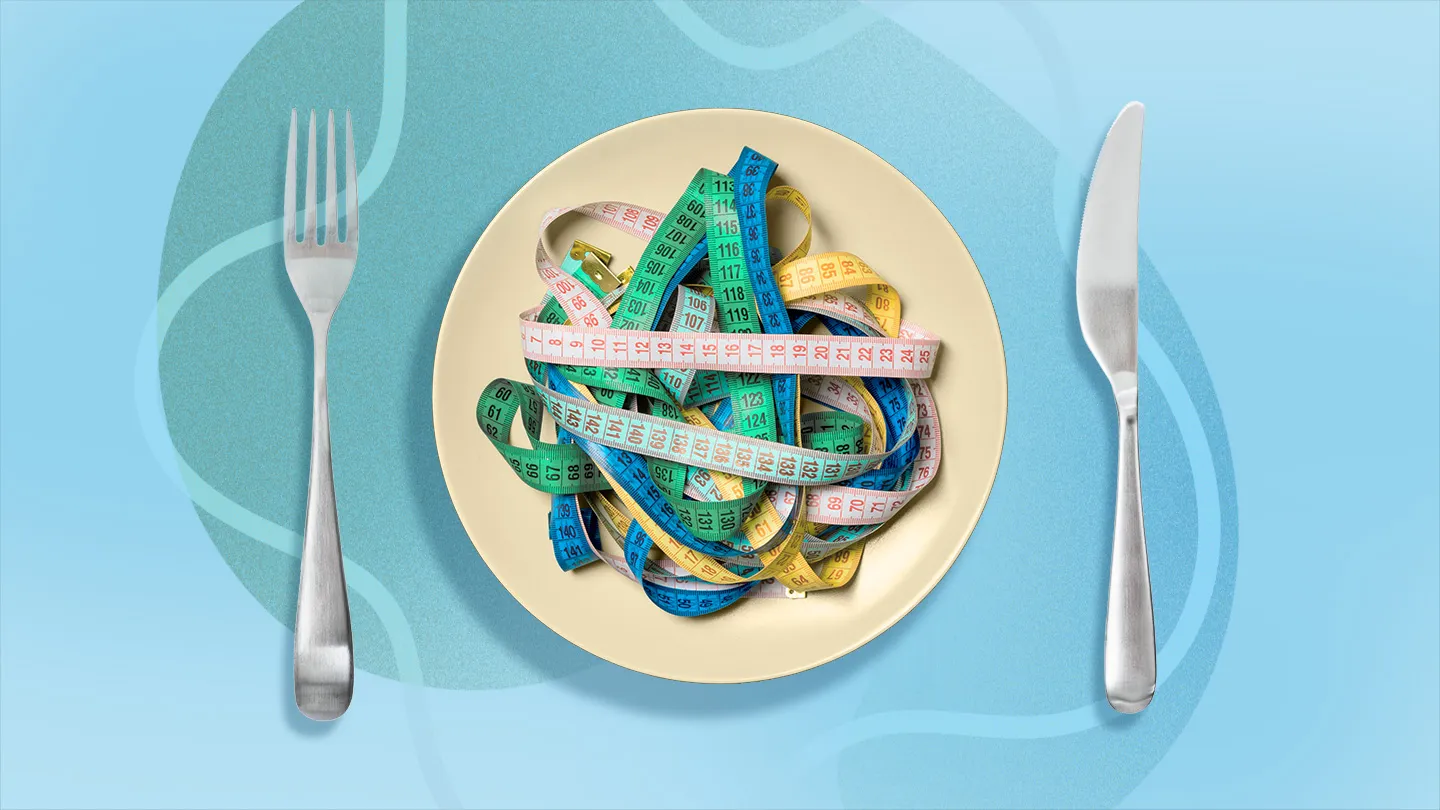
2. Myth: Anorexia Is an Obsession With Thinness That Can Be Stopped Although people with anorexia do desire to be thin, having anorexia is not something they simply choose. “People do not just ‘catch’ an eating disorder for a period of time,” says Kronengold, adding that it’s unlikely that an eating disorder like anorexia can be “stopped as desired.” Anorexia nervosa is not merely a desire for thinness; there is an obsessive component to it, as well as an inability to see one’s body as it truly is, that makes this eating disorder much more complicated.e60dc2a1-f33c-4a05-9b50-8e3e8e59762984a2f0cc-fbae-484c-bed2-cd20bf0414f1 “Anorexia is a bio-psycho-social disease, which means that genetic, biological, environmental, and social elements all play a role, ” says Mehler. He also notes that eating disorders may run in families. Events like physical illnesses, childhood bullying, and other life stressors, or conditions like major depression, anxiety, social phobia, or obsessive-compulsive disorder, may raise the risk of developing anorexia as well, says Mehler.
10. Fact: Early Treatment Equals Better Recovery Outcomes The earlier the treatment, the greater the chances of recovery — and it’s never too early to start.e60dc2a1-f33c-4a05-9b50-8e3e8e597629c8fdb979-ed67-426d-8b23-b1003e0b2310 Without professional treatment, eating disorder behaviors are likely to get worse and cause greater health consequences, says Ekern, adding that earlier treatment can lead to longer-term recovery. And the later someone begins treatment, the less responsive they may be to treatment, says Mehler. If you’re worried that someone you care about may have an eating disorder, it’s important to share your concerns early on, rather than wait until they meet specific physical or emotional criteria, says Kronengold.
7. Myth: You Need to Be Considered ‘Underweight’ to Have an Eating Disorder or Symptoms of Anorexia A doctor may diagnose someone with “atypical anorexia” when there are significant symptoms of anorexia present but the individual is not underweight.e60dc2a1-f33c-4a05-9b50-8e3e8e59762960a8907b-8594-44a5-bde1-c62bc474e4d2 Unfortunately, due to the misconception that people must be thin to have the disorder, those who meet several of the criteria for anorexia but do not experience significant weight loss or have a low body mass index often go undiagnosed, Kronengold says. “Given the rampant weight stigma surrounding this illness, many people suffering from ‘atypical anorexia’ fail to recognize they have a severe eating disorder or may be less likely to be diagnosed due to cultural prejudice against fatness,” she says.
6. Myth: People With Anorexia Are Purposely Starving Themselves It’s true that folks who are struggling with anorexia may deny their hunger, not eat or drink enough, and experience an intense fear of gaining weight, says Kronengold. But the eating disorder is less about food itself and more about the person’s physical and mental health, including the unique risk factors that contributed to them developing anorexia symptoms and whether they have any other health conditions that could play a role, such as depression or anxiety.e60dc2a1-f33c-4a05-9b50-8e3e8e597629d2d92ece-9197-49f2-9776-6fb7a8f0ab48 And although not taking in enough calories to meet the body’s needs is a well-known symptom of anorexia, it’s not the only one. People with anorexia may also binge eat, exercise excessively, and purge either by vomiting or by taking laxatives, says Kronengold.
9. Myth: You Can Get Over Anorexia if You ‘Eat Normally’ Even though anorexia nervosa is associated with not eating enough calories to sustain the body’s functions, having the disorder isn’t about food or whether you’re “eating normally.”e60dc2a1-f33c-4a05-9b50-8e3e8e597629001f7e6b-fe02-46cb-8229-ff33640fcb27 In a proper recovery plan, Kronengold says, it’s essential to address the eating disorder symptoms and medical consequences, as well as all the external forces that contribute to or maintain the eating disorder.
4. Myth: Anorexia Only Affects Straight, Young, White Women Stereotypes and misconceptions about who develops eating disorders can often lead to delays in treatment. In truth, people of any age, racial or ethnic background, body weight, and gender identity can develop an eating disorder like anorexia.e60dc2a1-f33c-4a05-9b50-8e3e8e5976298f5cdd4a-c529-4667-a4a4-a701e91a8465 “Although anorexia is more common in females, researchers and clinicians are becoming aware of a growing number of males and nonbinary individuals who are seeking help for anorexia nervosa,” says Mehler. Populations that are also at risk of eating disorders but may not fit traditional stereotypes include:e60dc2a1-f33c-4a05-9b50-8e3e8e59762938355214-e0d8-400d-9879-8b5db308b96b Athletes People in the LGBTQ+ community People with disabilities, including those with chronic illnesses or mental health conditions People of color People with larger bodies Veterans Children and older adults The neurodiverse community, including autistic people, those with attention-deficit/hyperactivity disorder, and people with intellectual disabilitiese60dc2a1-f33c-4a05-9b50-8e3e8e597629936c5999-0222-4602-8708-958747eb989c
Anorexia nervosa is an eating disorder that many people have heard about but don’t fully understand. It’s no wonder: Stereotypes about anorexia abound, making it difficult to know what’s true or false about the condition. As a result, you may not see early warning signs in yourself or those you care about.e60dc2a1-f33c-4a05-9b50-8e3e8e5976290960469e-70da-4fd4-8fbd-050f4474424a Knowing the truth about anorexia can save lives. When people with anorexia and related eating disorders don’t grasp the severity of their illness, they may not seek help, says Philip Mehler, MD , the founder and executive medical director of the ACUTE Center for Eating Disorders and Severe Malnutrition in Denver. “It is critical to pursue early intervention strategies, such as education and screening, to prevent chronic malnutrition, long-term health complications, and death,” Dr. Mehler says. So, what’s the real story? Here are 10 things you should know about anorexia.
8. Fact: Recovery Is Possible The road to healing isn’t always easy, but recovery is possible. “Healing from an eating disorder is a journey. Don’t give up,” says Jacquelyn Ekern, founder of Eating Disorder Hope . Older research has suggested that about half of people with anorexia nervosa make a full recovery . However, a more recent research review was unable to list the percentage of people who recover; its authors noted that there is a lack of agreement around the definitions of “recovery,” “remission,” or “relapse” when it comes to eating disorder studies.e60dc2a1-f33c-4a05-9b50-8e3e8e5976295eab84c4-5046-46ae-a79d-09f33f170696e60dc2a1-f33c-4a05-9b50-8e3e8e597629b86258c9-5390-4e04-88a2-cca9ff78bc14 Some people might be hesitant to seek help because they fear stigmatization, believe that their problem isn’t that bad, or think they can recover on their own, says Kronengold. “It is important to decide that you are worth it and deserve to heal from your eating disorder and live a fulfilling and healthy life,” says Ekern. And it’s important to remember that no one’s recovery journey is perfect. “Many have recovered, but they likely had a few slips and challenges along the way,” Ekern says.
3. Fact: Dieting Can Lead to Eating Disorders Giving weight loss a go is very common among Americans. According to one study that used three years’ worth of data from a national survey, nearly half of people ages 16 and older had tried to lose weight within the previous 12 months.e60dc2a1-f33c-4a05-9b50-8e3e8e597629fccbde61-5210-4906-b6fe-151a0fe145b6 Though not all weight loss is inherently harmful, dieting can be dangerous even under so-called “normal” circumstances. One study found that females who “moderately” adhered to a diet were five times more likely to develop an eating disorder than those who didn’t diet, and those who severely restricted their food intake were 18 times more likely.e60dc2a1-f33c-4a05-9b50-8e3e8e59762911f931e4-b49f-4725-a09e-423916478a8f
5. Fact: Anorexia Causes Serious Medical Complications “Anorexia can affect every organ system in the body,” says Mehler, adding that not eating enough calories or healthy nutrients can cause heart failure, long-term digestive issues, hormonal issues, and other health consequences like severe dehydration and kidney failure. Other anorexia-associated health issues that can happen over time include growing lanugo, or fine, downy hair all over the body, as well as loss of bone density , low blood pressure, infertility, and brain damage.e60dc2a1-f33c-4a05-9b50-8e3e8e5976298328ed28-6692-4968-8c2e-ddf9d4c12087 Additionally, eating disorders are known to have the second highest mortality rate of all mental health disorders, surpassed only by opioid use disorder, Kronengold says. This is not only due to the physical health risks of limiting food intake but also because anorexia is a risk factor for suicide. About one-fourth to one-third of people with anorexia, bulimia, or binge eating disorder have thought about suicide , and people with anorexia are 18 times more likely to die by suicide than those without an eating disorder.e60dc2a1-f33c-4a05-9b50-8e3e8e597629eb4947a4-5ef8-4aca-9a87-fb7c43985683
1. Fact: Anorexia Can Be Caused by Many Things Anorexia is a complex mental health condition caused by many factors working together that all play a role of some kind, says Chelsea Kronengold, a former associate director of communications at the National Eating Disorders Association . Common risk factors for anorexia nervosa include:e60dc2a1-f33c-4a05-9b50-8e3e8e59762973b6c61a-262a-4493-955b-0b716e161f39 Family history Dieting history Past weight bullying Life transitions, such as the end of a relationship, loss or illness of a loved one, or a new home, school, or job Keep in mind that two people with the same eating disorder can have very different causes, symptoms, perspectives, and experiences, says Kronengold. “While it can be helpful to identify the root of one’s eating disorder , or as much as they can uncover, recovery is still possible without being able to pinpoint the entire cause, especially in terms of physical and behavioral recovery,” she says.
Resources We Trust
Read the full article here


Leave a comment
