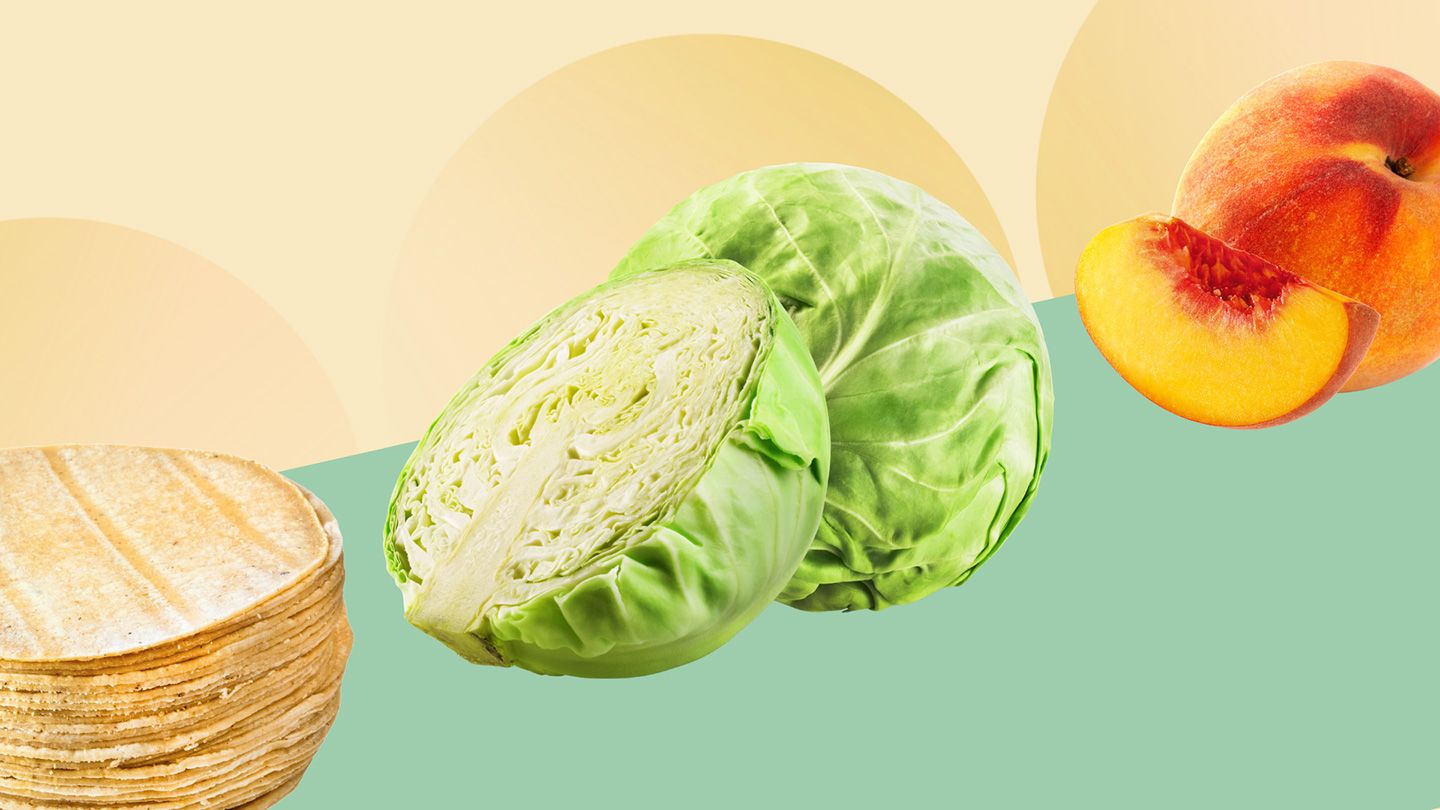
5 Sources of Gluten-Free Fiber
The good news is that whole grains with gluten aren’t the only source of fiber. Here’s a look at five top sources to consider.
1. Gluten-Free Grains
Just because you’re gluten-free, it doesn’t mean you have to eliminate whole grains. In fact, there are plenty of gluten-free grain (or grain-like) choices, including:
- Amaranth
- Buckwheat (despite its name, it’s not closely related to wheat)
- Corn
- Millet
- Oats (if they’re not processed near wheat; check the label for a gluten-free designation)
- Rice
- Sorghum
- Teff
Another example is quinoa, a type of edible seed that contains 5 grams (g) of fiber in each 1 cup serving, which also provides nutrients like magnesium, vitamin B1, and folate. It’s considered a whole grain and is a good source of both plant protein, with about 8 g per serving, and fiber. Unlike many other plant proteins, quinoa contains a complete protein, meaning it has all nine essential amino acids, and it’s naturally gluten-free.
2. Cruciferous Vegetables
All vegetables have fiber, but at varying levels, says Adiana Castro, RDN, a registered dietitian specializing in gastrointestinal health, and the owner of Compass Nutrition in New York City. The ones in the cruciferous family contain both soluble fiber, which improves stool quality, and insoluble fiber, which feeds the beneficial bacteria in your gut’s microbiome. They’re also gluten-free, and depending on the type and how they’re served, usually contain between 2 and 6 g of fiber per serving. Some options include:
The fiber content of cruciferous vegetables depends on how they’re prepared, research shows. One study found that cooking white cauliflower, broccoli, and Brussels sprouts decreased how much insoluble fiber they contained, while it increased the amount of soluble fiber. So if you have gastrointestinal issues, cooking these vegetables can make them easier to digest, says Dr. George.
3. Legumes
Legumes include foods like beans and lentils. Half a cup of cooked beans usually contain between 6 and 8 g of fiber, but some types of legumes contain more. For example, navy beans contain 9.5 g per serving, lentils have 7.8 g, and black beans contain 7.5 g of fiber.
Legumes don’t contain all the amino acids needed to create a complete protein, but if you eat them with grains, nuts, or seeds, you’ll get all nine essentials. They’re also high in iron, particularly edamame (soybeans).
4. Fruits
Similar to vegetables, fruits are another top choice for adding fiber and nutrients without any gluten, says Castro, and some have more fiber than others.
For instance, raspberries have 8 g of fiber per cup and pears (with skin) have 5.5 g, while strawberries have just 3 g in a serving of the same size. Any amount of fiber is good for you, so that doesn’t mean you only have to choose high-fiber fruits, says Castro. But if you want to boost your fiber intake, picking options with more fiber is helpful.
Also, whole fruits are your best option here, Castro says. Juices made from fruit do have some fiber, but it’s minimal, compared with eating the entire fruit. For example, 1 cup of apple juice has 0.5 g of fiber, while the whole fruit with skin has 4.4 g.
5. Drupes
Drupes are foods with a pit at the center. In some cases just the fleshy fruit on the outside is eaten, and in others, the seed is. Some examples of drupes include:
- Almonds
- Walnuts
- Nectarines
- Avocados
- Peaches
- Mangoes
- Cherries
- Olives
- Apricots
- Plums
- Coconuts
Drupes have ample nutrients and fiber, says Castro. Almonds, for example, are a source of insoluble fiber that helps with digestion and adds bulk to stool, she says.
They also help lower LDL, or so-called “bad” cholesterol, because they have monounsaturated fats that lower cholesterol production, help the liver clear LDL from the bloodstream, and modify how particles called lipoproteins (which contain both fat and protein) are broken down. In addition, they’re a source of plant sterols — compounds that may help lower LDL cholesterol by reducing its absorption.
One serving of almonds equals 1 ounce (oz), or about a ¼ cup, and offers 3 g of fiber. These nuts are also a source of vitamin E, biotin, and minerals like calcium, phosphorus, and magnesium.