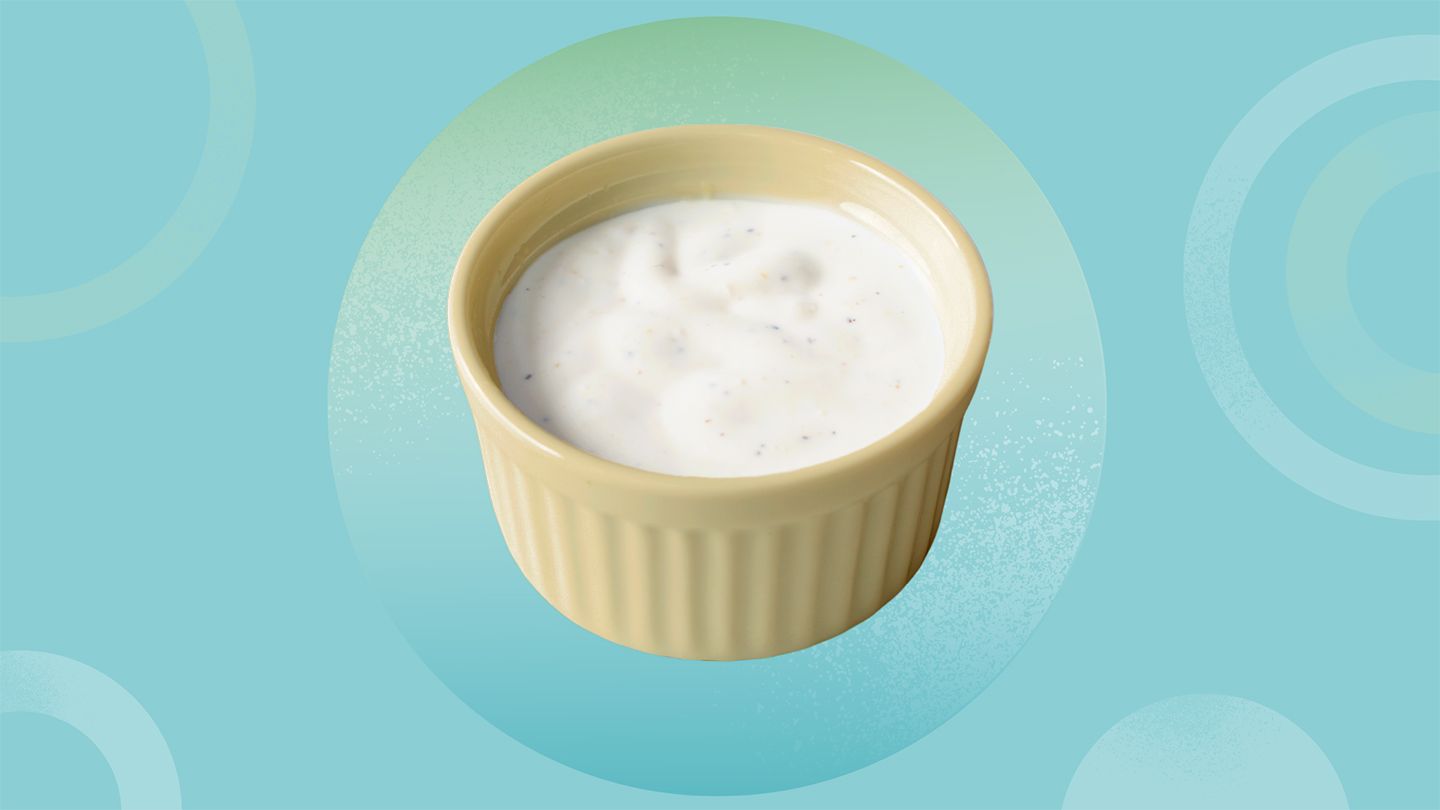
Social media is flooded with commentary from World Cup soccer fans traveling to the United States for the first time and discovering elements of life that Americans consider ordinary. There’s one condiment in particular that’s caught on big: ranch dressing.
Ranch dressing has become so popular with people coming to the United States for the World Cup that the Transportation Security Administration (TSA) has issued several messages to travelers on how to pack bottles to fly home with. “If you’re visiting for a very large sporting event and happen to discover RANCH while you’re here … pls pack it in your CHECKED BAG on the way home. Thank you,” a recent message on the official TSA Instagram page reads. Another message joked, “Days since the last airport ranch incident: 0.”
Kraft recently teased “Kraft TSA Compliant Ranch” on Instagram, which the brand plugged as “a travel-friendly way to bring the taste of America home.”
At the risk of being a killjoy, It must be said that ranch dressing isn’t the healthiest option out there, according to Jessica Cording, RD, CDN, author of The Little Book of Game-Changers. Still, she says there’s a time and a place for ranch dressing.
“Ranch is not a superfood, but it’s not a nutritional disaster,” Cording says. Here’s why.
What Is Ranch Dressing, Exactly?
While recipes vary, ranch is a creamy dressing, Cording says. “Usually, the cream base contains buttermilk, and there are herbs like dill, parsley, chives, onions, salt, and pepper,” she says.
Cording notes that some commercial versions of ranch may contain sour cream. “Ultimately, it’s some kind of dairy fat and seasonings,” Cording says.
Cording points out that foreigners may be unfamiliar with how Americans use ranch. “It’s really common as a salad dressing, or as a dip for vegetables,” she says. “It’s also often served with chicken wings, and you might see it on sandwiches, wraps, and even as a dip for pizza. There are a lot of ways to use ranch, but it’s usually paired with something.”
How Unhealthy Is Ranch Dressing?
Ranch dressing is not considered a healthy food. While nutrition content varies by brand, here’s a breakdown of the nutrition of a 2-tablespoon serving of bottled Hidden Valley Ranch Dressing:
- Calories: 130
- Total Fat: 13g (17 percent of the Daily Value)
- Saturated Fat: 2g (10 percent of the Daily Value)
- Protein: 0g
- Fiber: 0g
- Total Sugars: 1g
- Sodium: 260mg (11 percent of the Daily Value)
Cording notes that traditional ranch dressing tends to be high in calories, fat, and sodium, “but it has the potential to support healthy eating habits when it’s used as a vehicle for vegetables.”
Is There a Way to Make Ranch Dressing Healthier?
Many visitors to the United States are discovering highly processed ranch dressing sold at supermarkets, but Cording says it’s possible to make a healthier version of this condiment on your own.
“Greek yogurt ranch dressing is my favorite substitution,” Cording says. “When you switch to Greek yogurt, you get more protein, less saturated fat, and fewer calories, but you’re still getting a creamy texture.” (You can simply mix a packet of store-bought ranch seasoning into a tub of plain Greek yogurt to get this effect, or create a blend of herbs yourself, she says.)
For a healthy ranch dressing that’s less thick than the Greek yogurt kind, Cording suggests using kefir as a base. “You could also add extra fresh herbs for a nice upgrade,” she notes.
The Bottom Line on Ranch Dressing per an RD
Ranch dressing isn’t intended to be a healthy food, but Cording says it can support good eating habits. “Healthy eating is really about your overall patterns,” she says. “A condiment that you love can absolutely fit into an overall balanced diet, especially if you want to eat it with healthy meals.”
To keep your ranch consumption as healthy as possible, Cording suggests pairing the dressing with raw vegetables like carrots, celery, and bell peppers. “You can also use it as a dip rather than pour it over something,” she says.
Whether you’ve loved ranch for years as an American or are just discovering it on a visit to the United States for the World Cup, Cording believes there’s no need to avoid it in the name of health. “When you eat it thoughtfully, it can definitely be a part of a healthy eating pattern,” she says.
Read the full article here