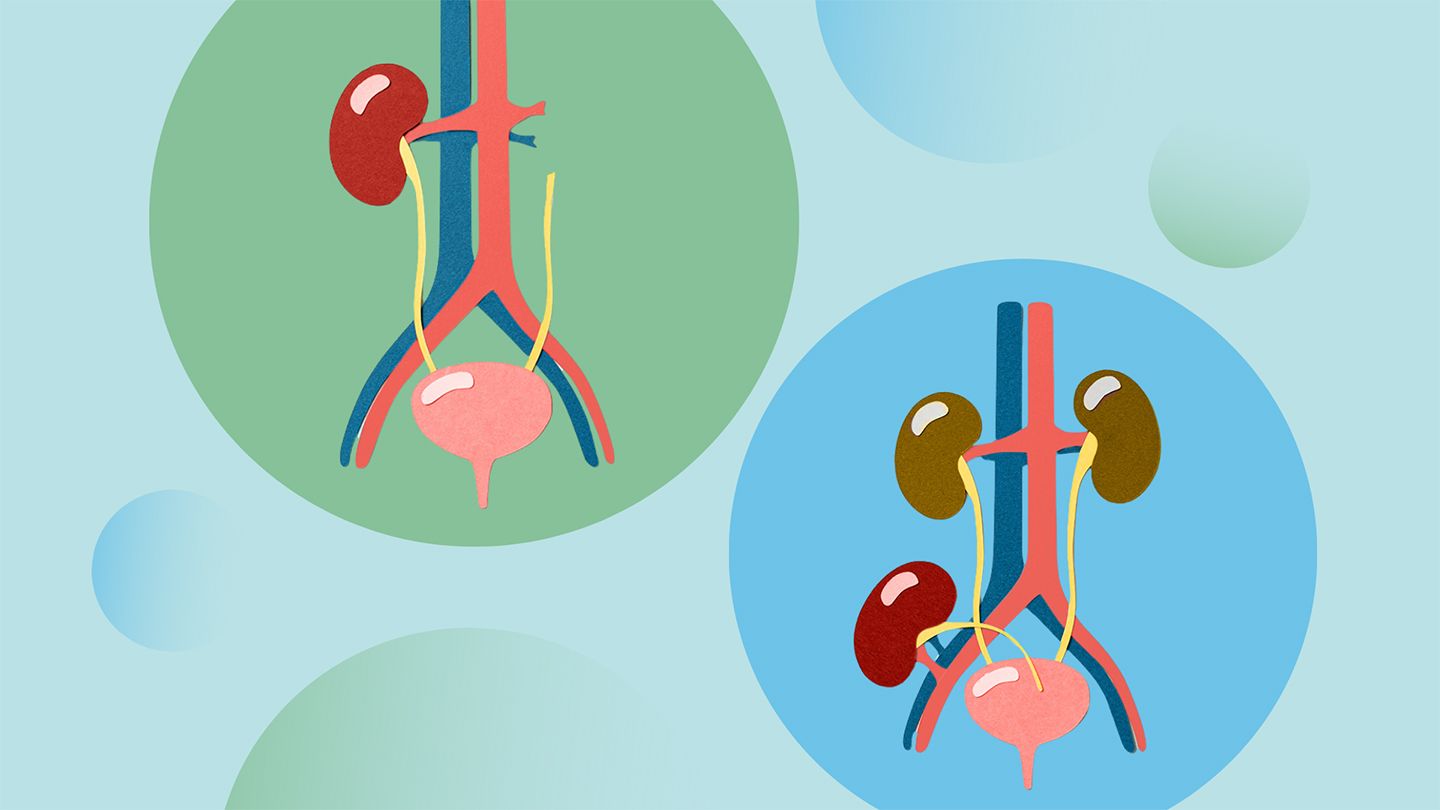
A successful kidney transplant means having a healthy kidney that’s working well. For people who have already started dialysis, that means they will no longer need dialysis treatments. “Even though dialysis prolongs life, it doesn’t come close to replacing the function of a working kidney,” says Ryan. A successful kidney transplant can also help people live longer than if they remained on dialysis, Dr. Haririan says.
Kidneys perform many essential jobs in the body, so having a working kidney again can lead to a wide range of health and quality-of-life benefits.
Lower Risk of IgAN Complications
A functioning transplanted kidney can lower the risk of serious health problems linked to kidney failure, such as heart disease, stroke, and calcification (or hardening) of the blood vessels, says Nicole M. Ali, MD, a transplant nephrologist and the medical director of the Kidney Transplant Program at NYU Langone in New York.
A healthy kidney also does a better job of regulating fluid. “This reduces the risk of breathing troubles and swelling in the legs and other tissues, in addition to stress on the heart,” says Haririan.
Electrolytes, such as potassium, calcium, and phosphorus, are also better managed, which is important for the cells in your body to function normally, especially those in the heart and nervous system, Haririan says. When damaged kidneys have a hard time removing potassium from the blood, for example, this can lead to dangerous heart rhythms.
More Energy
That often changes after a kidney transplant, says Ryan, who notes that people often feel much better once they have a functioning kidney again.
Fewer Dietary and Fluid Restrictions
While many people enjoy the peace of mind of fewer dietary and fluid restrictions, a kidney transplant doesn’t eliminate the need for healthy eating habits. Maintaining a healthy weight is vital for overall health, so a balanced diet prioritizing fruits, vegetables, whole grains, lean meats, and reduced-fat dairy, while limiting added sugar and unhealthy saturated fats is recommended. Your care team may also suggest limits to sodium. By following these recommendations you can protect your new kidney and keep it working well for as long as possible.
Freedom From Dialysis
Dialysis is a lifesaving treatment, but it requires a significant time commitment: You might spend several hours at a clinic on multiple days a week for hemodialysis and have to adjust your life around overnight peritoneal dialysis and fluid exchanges during the day.
For people who were on dialysis, a kidney transplant means no longer having to plan their activities around treatment schedules. Traveling becomes much easier without the need to coordinate dialysis appointments and supplies.
Ryan says many people feel a greater sense of freedom after a successful transplant because they have more time and energy to do the things they enjoy.
Read the full article here