Experts consider this eating plan a fad diet. Fad diets often promote quick weight loss and severely restrict what you eat. They generally do not have long-lasting health benefits and may be harmful. Talk to your healthcare provider before making any major changes to how you eat.
Fad diets promising big weight loss results often focus on a single strategy to drop pounds quickly. But the recently trending Korean switch-on diet takes a different tack by combining three different strategies: intermittent fasting, cutting back on ultra-processed foods and carbohydrates, and eating more protein.
This four-week program is currently making the rounds on TikTok and Instagram, with multiple users saying the protocol has helped them lose weight and preserve muscle.
But registered dietitians have concerns.
How Does the Korean Switch-On Diet Claim to Work?
The Korean switch-on diet was created by Park Yong-Woo, an obesity medicine researcher and family physician in Korea. Park is the author of the Switch On Diet With Fat Metabolism, which outlines this four-week eating plan.
Park’s protocol claims to “switch on” the body’s fat metabolism by cutting calories. This encourages the body to burn stored fat for energy without sacrificing lean muscle mass, per the diet’s claims.
The Korean switch-on diet also encourages lifestyle adjustments, including:
- Get at least six hours of sleep a night.
- Finish dinner four hours before bedtime.
- Do high-intensity exercise at least four times a week.
- Avoid sitting for long periods.
What Can You Eat on the Korean Switch-On Diet?
The Korean switch-on diet uses a step-wise approach to eating, with “permitted” foods changing throughout the plan.
Day 1 to 3
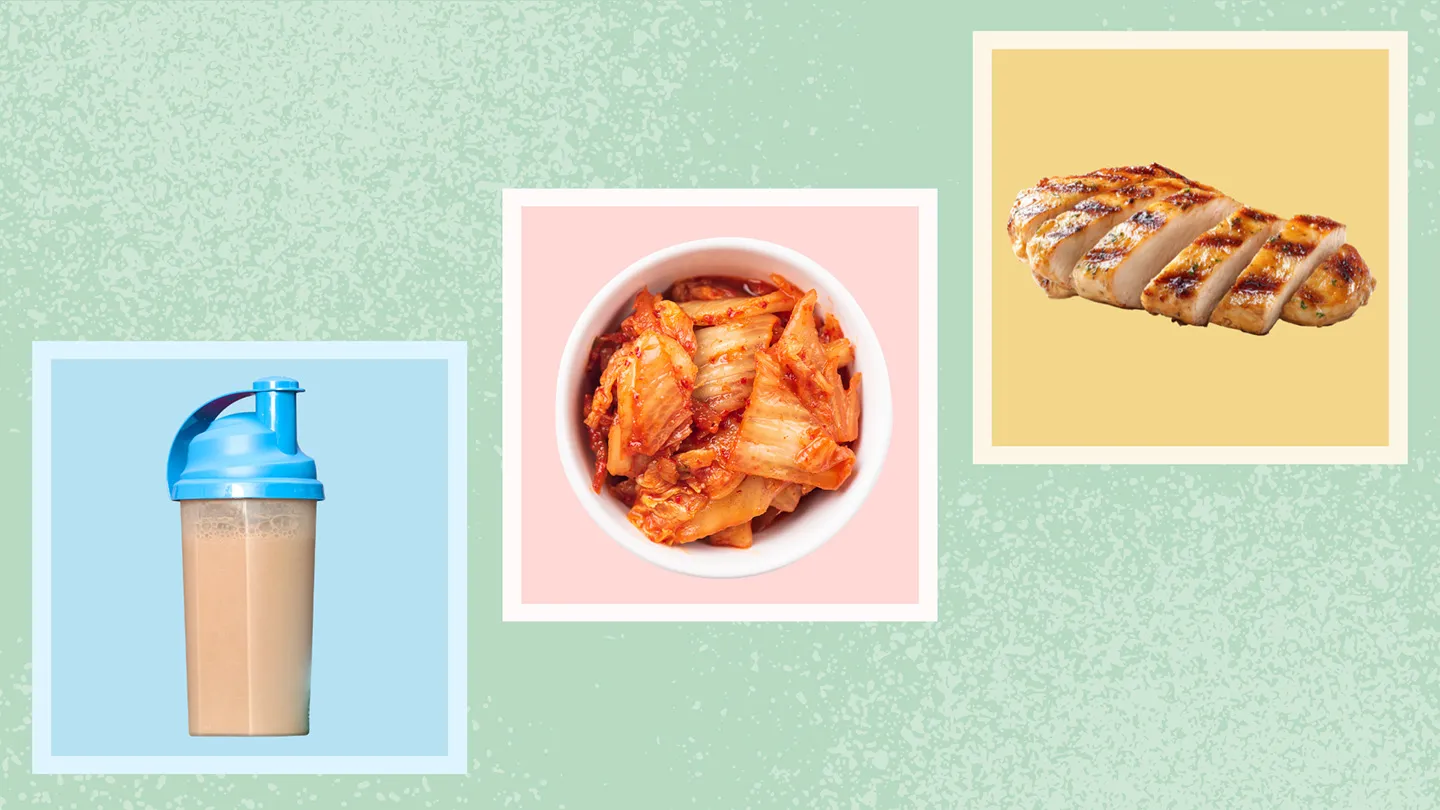
Protein shakes replace breakfast, lunch, snacks, and dinner.
Day 4 to 7
Have a protein shake for breakfast, an afternoon snack, and dinner. For lunch, eat a low-carbohydrate meal, such as half a bowl of mixed grains, tofu, fish, raw fish, seafood, tuna, chicken (without the skin), eggs, mushrooms, and seaweed.
The plan recommends supplements including multivitamins, omega-3 fatty acids, vitamin C, and CoQ10, taken in the morning and at night.
Week 2
Add beans and legumes, nuts, kimchi, one cup of black coffee in the morning, two cups of milk, and nonsalty cheese to the previously permitted foods. Have two protein shakes a day: one at breakfast and one for an afternoon snack.
Lunch is the same low-carbohydrate option from the previous step.
Dinner is carb-free and focused on protein, such as fish or boiled meat like pork.
Week 2 includes one 24-hour fast. The diet recommends starting the fast after an early dinner and breaking it the next day with an afternoon snack, followed by dinner at your regular time (rather than fasting from morning to night in a single day).
Week 3
Add in pumpkin, tomatoes, chestnuts, bananas, and berries. The plan allows bananas and sweet potatoes this week if you do high-intensity exercise.
Breakfast, lunch, snacks, and dinner stay the same.
Week 3 calls for two nonconsecutive 24-hour fasts.
Week 4
You can now add up to 1 serving of fruit per day while keeping to the previous plan for all meals.
Week 4 calls for three 24-hour fasts, again on nonconsecutive days.
Foods to Avoid
The following foods are not allowed in the Korean switch-on diet:
- Sugar and sugary foods and drinks
- Milk with added sugar
- Foods that contain flour
- Alcohol
- Foods high in saturated fat
- Foods high in trans fat
- Artificial sweeteners
- Salty foods
Potential Benefits of the Korean Switch-On Diet
The Korean switch-on diet claims that each phase is meant to achieve a specific goal:
- Day 1 through 3: Reset the gut and encourage the body to burn fat.
- Day 4 through 7: Improve leptin resistance, which occurs when your body stops responding fully to a hormone that signals fullness or satiety.
- Week 2: Improve insulin resistance, a condition where the body does not respond well to a hormone that moves glucose into cells to be used for energy.
- Week 3: Improve metabolism.
- Week 4: Maximize fat loss.
“There are a few elements of this diet that align with evidence-based nutrition recommendations, particularly prioritizing protein and reducing intake of highly processed foods,” says Jessica Cording, RD, author of The Little Book of Game-Changers. “That can help to preserve muscle mass while losing weight.”
If someone can stick to the diet, it may help reduce inflammation, support blood sugar balance, and possibly lead to weight loss, according to Lisa Moskovitz, RD, the CEO of NY Nutrition Group.
Scott Keatley, RD, a co-owner of Keatley Medical Nutrition Therapy in New York City, agrees that someone may be able to lose weight on this diet — temporarily, at least. “It may produce short-term weight loss because it sharply reduces calorie intake, removes many ultra-processed foods, and emphasizes protein,” he says.
“Higher protein intake can improve fullness and help limit lean-mass loss during weight loss, particularly when paired with resistance training,” Keatley adds. The structured nature of this eating plan may also help people who prefer clear rules, he says.
Potential Risks of the Korean Switch-On Diet
Despite its purported benefits, “I see a lot of red flags” in the Korean switch-on diet, Cording says. Here’s what all three dietitians identified as pitfalls of the plan.
- Extreme Calorie Deficits “The first three days may provide only roughly 600 to 700 calories, which is extremely low for most adults outside a medically supervised program,” Keatley says. This can lead to fatigue, headaches, constipation, irritability, dizziness, exercise intolerance, and rebound overeating, he says.
- Unsustainable Weight Loss The plan is designed to be followed for only four weeks. After that, the diet recommends 24-hour intermittent fasting once or twice a week. Dietitians say this won’t produce sustainable results. “While I appreciate that this plan was developed by a doctor and that there is some research supporting healthy weight management using specific aspects of this diet like prioritizing gut health, blood sugar, and sleep, when you combine those with a bunch of restrictive elements like cutting out lots of foods, heavily relying on shakes, and intermittent fasting, that’s not sustainable,” Cording says.
- Potential for Disordered Eating The diet’s restrictive nature is a concern for Moskovitz, who notes that it could create more “food noise” for followers and may lead to disordered eating. “Anyone with a history of disordered eating or an eating disorder will likely not respond well to these restrictive parameters,” she says.
- Negative Impact on Metabolism “What we know helps the metabolism is consistent and sufficient eating that includes protein and fiber, along with a regular workout routine and proper sleep,” Moskovitz says. “What won’t help is going on and off restrictive diets repeatedly throughout your lifetime.”
- Lack of Scientific Evidence The Korean switch-on diet has not been studied in any peer-reviewed clinical trials. As a result, there is no data to suggest it will do what it claims. “It does not ‘switch on’ a unique metabolic mode in the way the name suggests,” Keatley says. “Reducing carbohydrates and calories increases reliance on stored glycogen and fat for fuel, while higher protein can help with satiety and muscle retention.” The body converts carbohydrates to stored glycogen when it doesn’t need to immediately burn those carbs for energy. Aggressively restricting calories can also lower metabolism, Keatley says.
Overall, Cording says this diet is “science-adjacent.” It pulls inspiration from scientifically validated weight loss methods, but the diet itself doesn’t have data to support it.
Research has shown, for example, that intermittent fasting may be as effective as low-calorie diets for weight loss. But the Korean switch-on diet relies on more extreme, 24-hour fasts.
Similarly, studies have found that high-protein diets are linked to better muscle retention and feelings of fullness while still supporting weight loss. Calorie restriction, with or without intermittent fasting, has also been shown to support weight loss.
The Bottom Line: Is the Korean Switch-On Diet Right for You?
Like other fad diets, the Korean switch-on diet may lead to fast results, but they’re unlikely to be sustainable. For that reason, registered dietitians do not recommend trying it.
“I wouldn’t recommend this restrictive of a program to anyone,” Cording says. “If there are elements of it that appeal to you that can be part of a healthy weight loss plan, that is a different thing — for example, making sure you’re getting enough protein or reducing intake of ultra-processed foods.”
But Moskovitz says the highly restrictive nature of this diet makes it one to avoid. “The drawbacks with any restrictive diet — and this one is no exception — is how sustainable it will be over time,” she says.
Read the full article here