5 Healthy Ways to Support Your Gut
Your daily fluid intake is mostly made up of what that you eat and drink. “Water and other beverages contribute about 70 percent of the body’s total water intake,” Pumper says. Foods generally make up about 20 percent of the body’s total water intake. The process of metabolizing foods also produces some water as a by-product, which makes up about 10 percent of the water available to the body.
The following tips can help you get enough fluids each day.
1. Eat Lots of Fruits and Vegetables
“Besides drinking water, you can enjoy a variety of fruits and vegetables that are high in water content to stay hydrated,” says Vandana Sheth, RDN, a registered dietitian in private practice in Los Angeles and the author of My Indian Table: Quick & Tasty Vegetarian Recipes.
- Cucumbers
- Celery
- Watermelon
- Oranges
- Grapes
- Cabbage
- Baby carrots
- Asparagus
- Spinach
- Lettuce
- Pineapple
- Cooked corn
2. Try Sparkling or Mineral Waters
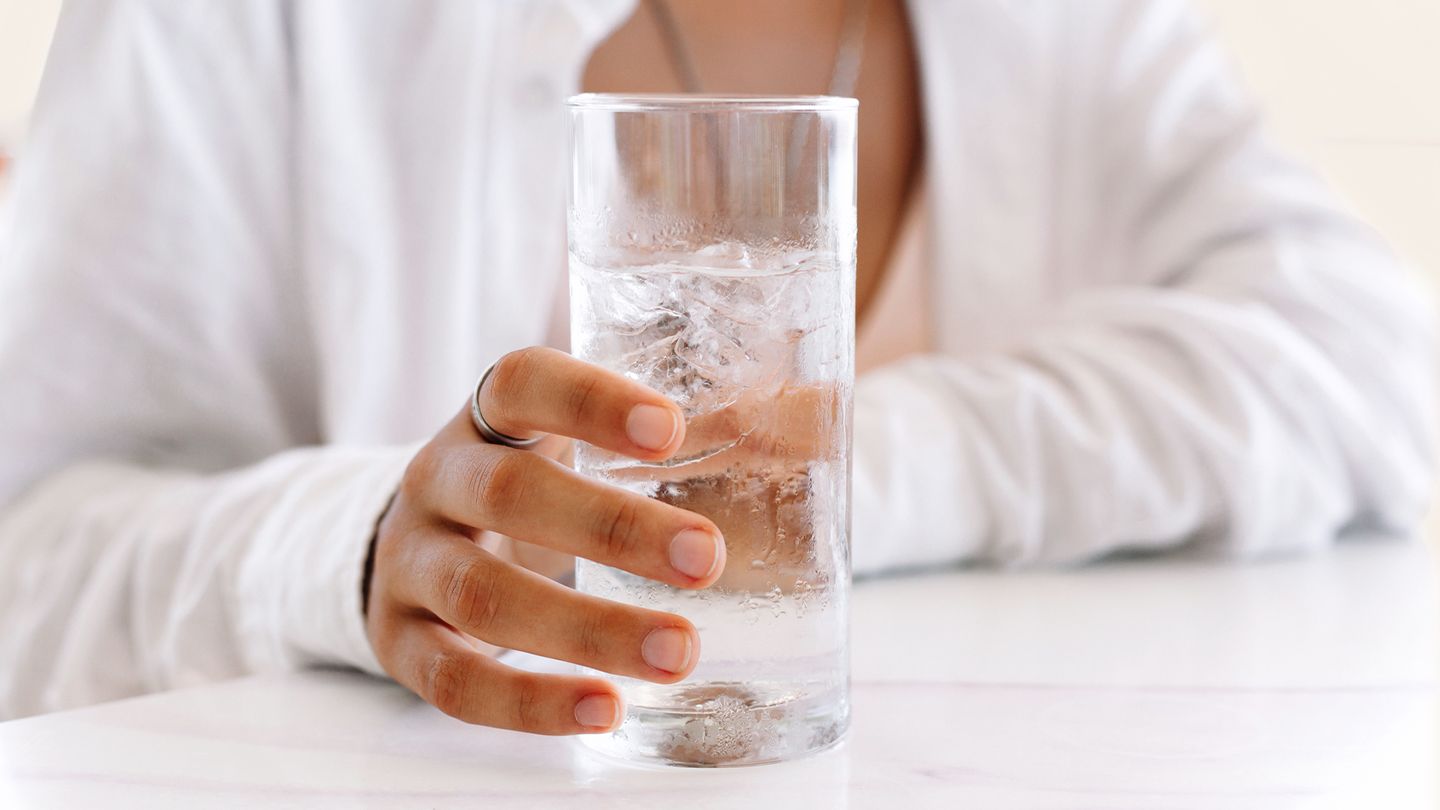
As for beverages, healthy alternatives to plain water include mineral and sparkling waters. You can also add flavor with fresh lime or lemon juice, or by infusing your water with fresh mint, basil, strawberries, or cucumber slices.
Sparkling water and seltzer are just as hydrating as regular H2O, but they can contribute to bloating in some people.
3. Drink a Few Cups of Tea or Coffee
Plain tea and coffee are also good, flavorful options that provide fluids, caffeine, and other compounds — such as antioxidants — that support gut health.
Besides hydration, tea can support gut health by promoting the growth of beneficial bacteria while keeping harmful ones in check, according to an international review of research. Additionally, it may help strengthen the gut lining and suppress inflammation in the colon.
Just be sure not to consume too much caffeine, since it’s a diuretic. Usually, caffeinated beverages have a net-hydrating effect, due to their water content. But adults who exceed 400 milligrams of caffeine per day and don’t consume enough other, non-caffeinated liquids may be at higher risk of dehydration.
4. Consume Probiotic-Rich Kefir or Yogurt
5. Steer Clear of Sodas, Sports Drinks, and Most Juices
Pumper also advises against relying on electrolyte (sports) drinks for daily hydration, since these tend to contain more sodium and added sugar than most people should have in a day.
“Electrolyte beverages, including drink mixes and powders, are generally intended for rehydration after fluid losses from exposure to heat for an extended period. For example, bouts of diarrhea or vomiting, and during strenuous exercise,” Pumper explains.
Read the full article here