1. Evaluate Removal Methods
Different hair-removal techniques might work better for different areas of your body, depending on how much hair you have, how thick it is, and how sensitive your skin is.
That said, some methods may come with more risk of irritation than others.
“Depilatory creams and waxing are more likely to cause irritation in those with sensitive skin,” says Hadley King, MD, a board-certified dermatologist in private practice and clinical instructor of dermatology at the Weill Medical College of Cornell University in New York City.
Hair removal creams may contain potential contact allergens, and they can cause eczema symptoms to flare up.
“These creams contain strong chemicals, and you can really hurt your skin, particularly if you leave the product on too long,” Dr. King says.
Waxing can also severely irritate your skin, and experts recommend limiting it to small areas, like your eyebrows.
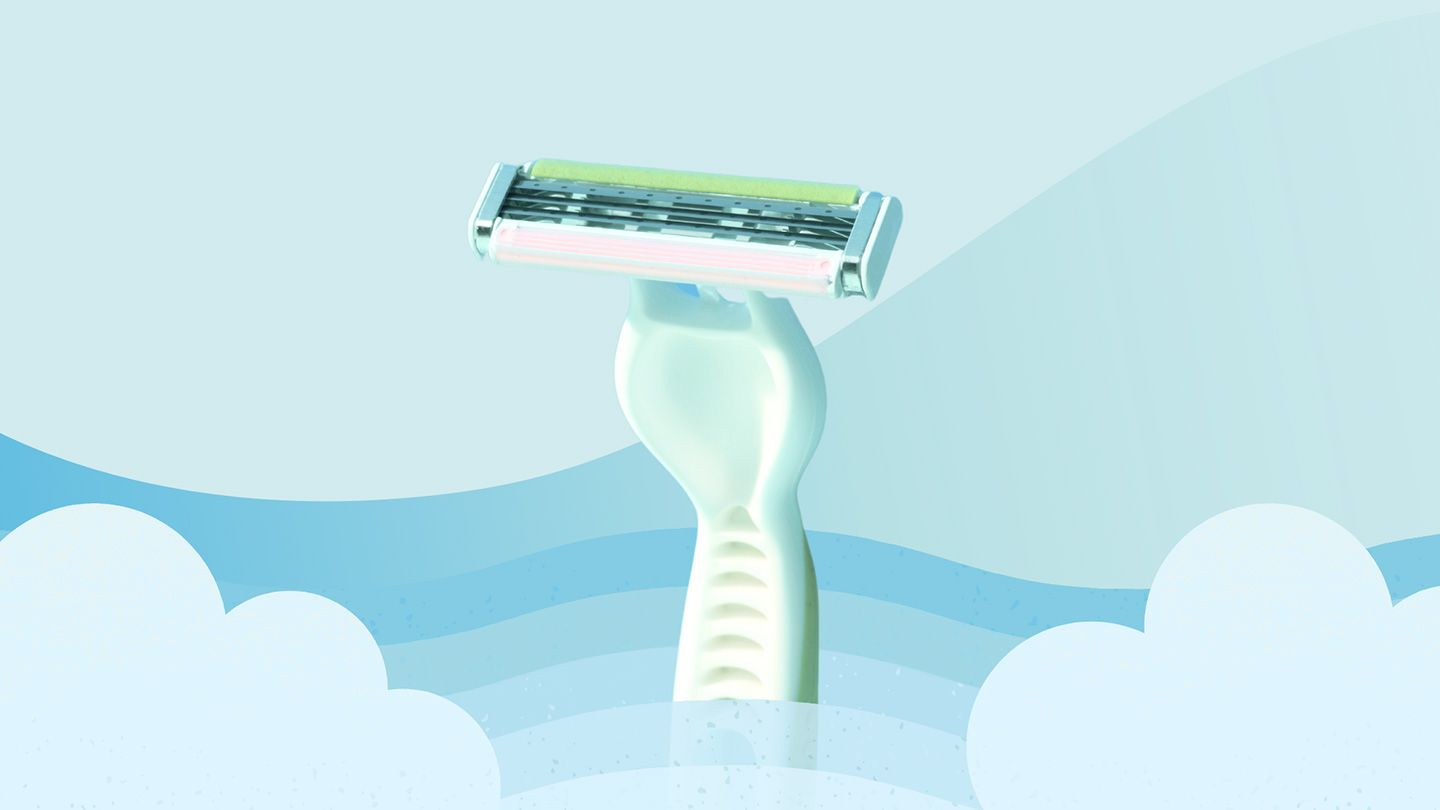
While shaving also has the potential for irritation, you can take more safety precautions to protect your skin. For best results, King recommends that you:
- Use a razor with a sharp blade and replace blades on a regular basis.
- Keep razor blades as clean and disinfected as possible to avoid infections.
- Shave in the direction in which the hair grows rather than “going against the grain” to get the closest shave, and don’t switch directions partway through. This can help you avoid further skin irritation.
- Try an electric razor. Because they don’t give a close shave, they’re less likely to lead to painful ingrown hairs or irritate atopic dermatitis patches.
If you’re unsure which option is best for you, consider speaking with a certified dermatologist. They can give you advice on which hair removal technique may work best for your skin and condition.
Read the full article here