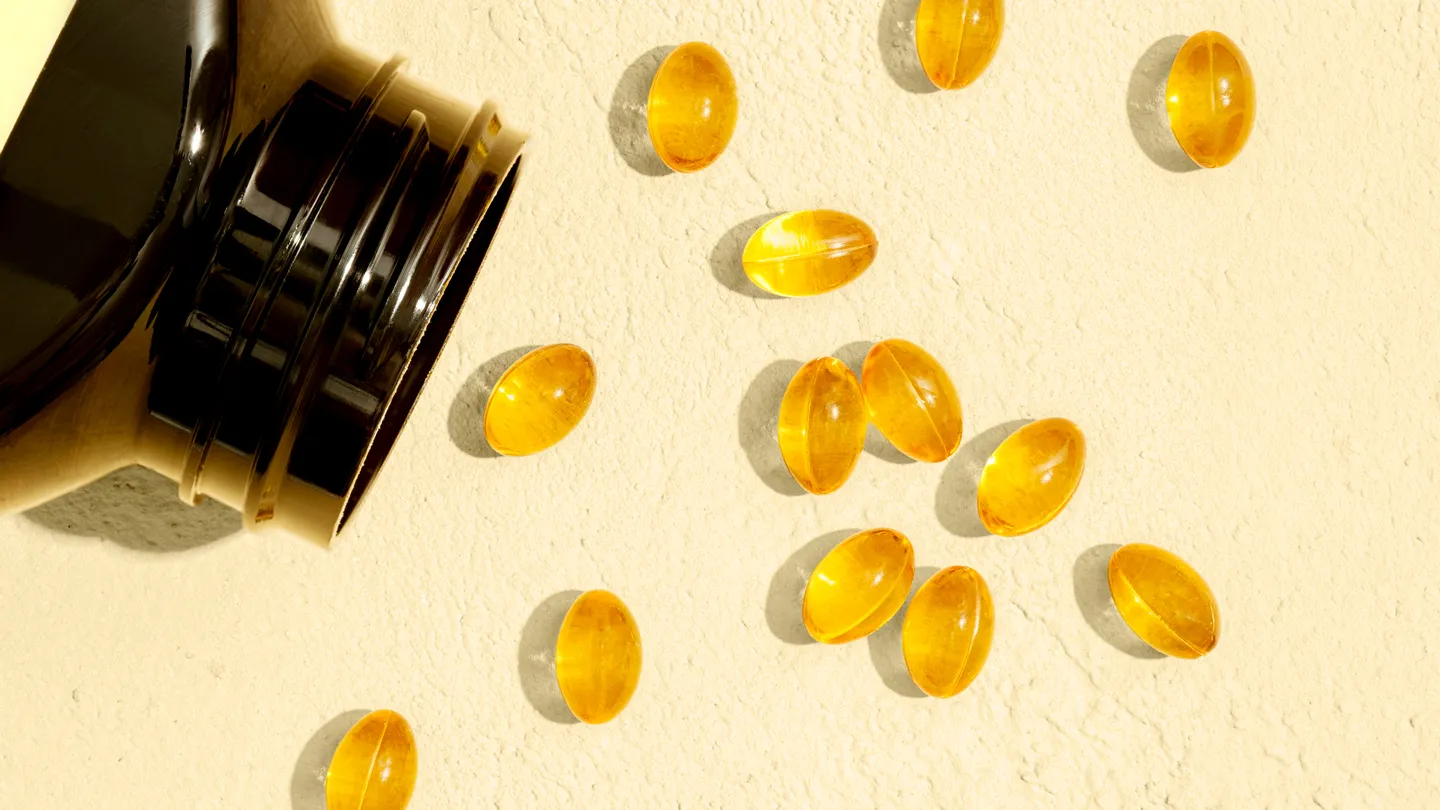
Should You Take a Vitamin D Supplement for Depression?
The National Institutes of Health’s Office of Dietary Supplements recommends that adults ages 19 to 70 get 15 micrograms (600 international units, or IU) of vitamin D daily. (You may be getting this amount already if you take a multivitamin.) But before you take anything, be sure to speak with your doctor.
“I like for people to get a blood test to see where they are before making a recommendation about supplementation,” says Moore.
If you do need extra vitamin D, either D2 (ergocalciferol) or D3 (cholecalciferol) will work. You may need 1,000 to 2,000 IU daily, though this will depend on the results of your blood test, what season it is, and how much sun exposure you get. (Vitamin D2 is derived from plants, whereas vitamin D3 is synthesized from animal sources.) In cases of extreme deficiency, your doctor may give you vitamin D injections to bring your levels up.
Start by getting more D from sunlight and fortified foods, such as milk alternatives and cereals, if you can. “In order for vitamin D to be well absorbed, it needs to be taken with a source of fat,” Moore says.
When it comes to increasing your time in the sun, it’s best to ask your doctor how many minutes you’ll need. That’s because a number of factors come into play, including your skin tone, where you live, the time of day you’re going outside, and the time of the year.
Read the full article here