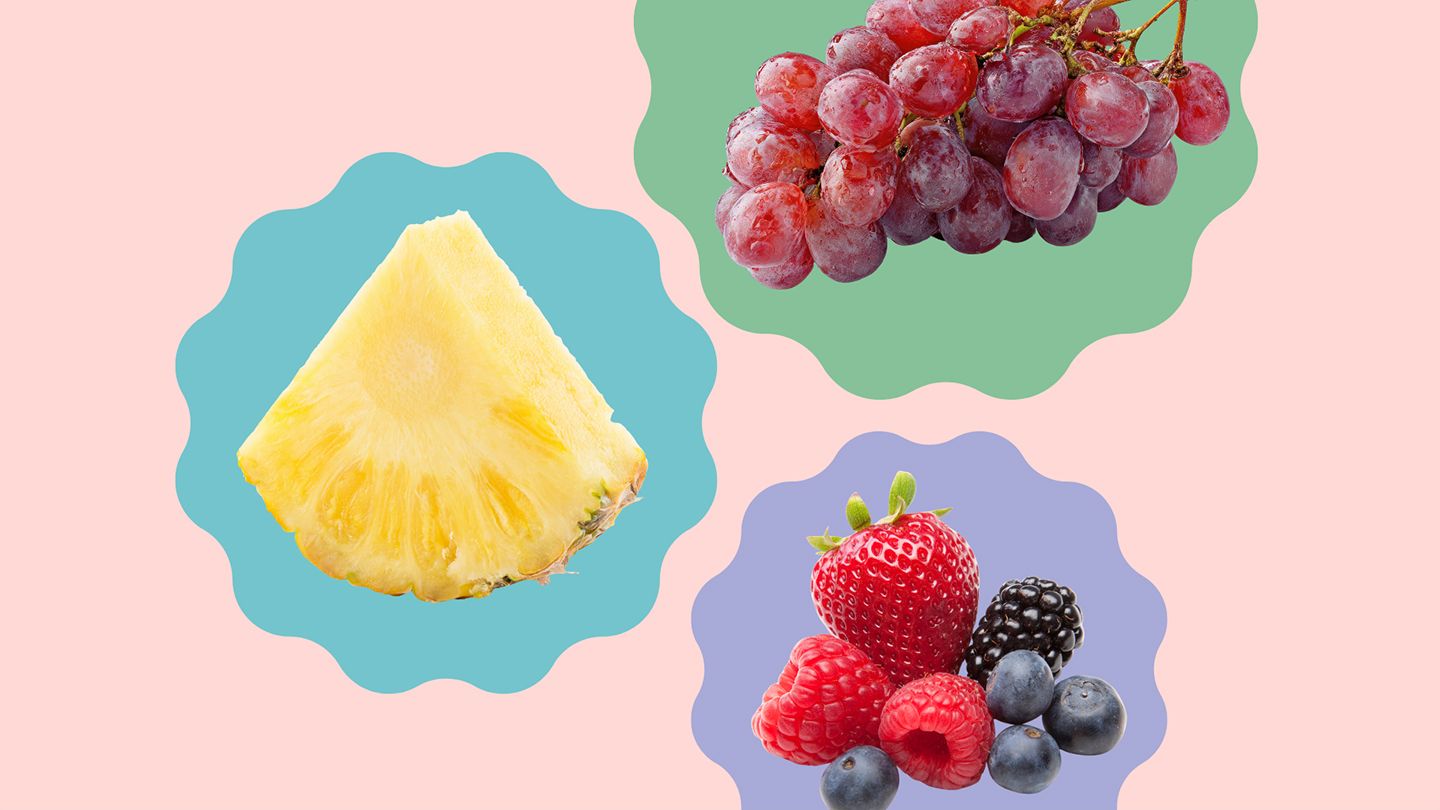
Your kidneys are vital organs that filter your blood, remove waste and excess fluid, and help regulate your blood pressure by balancing the electrolytes in your body. When you eat or drink, your kidneys remove excess nutrients that your body doesn’t need. But if your kidneys aren’t functioning optimally, these nutrients and minerals can build up in your blood and cause damage.
If you eat too much sodium (salt), for instance, the body holds onto more fluid than it needs, which makes your kidneys (and your heart) have to work harder to eliminate it. Excessive protein, potassium, and phosphorus can likewise be taxing on your kidneys.
Enter fruit: These delicious plants contain valuable antioxidants and a high water content, which can help reduce kidney inflammation and promote better fluid balance. Research shows that antioxidants can also help reduce the risk of kidney failure by slowing the decline in estimated glomerular filtration rate (eGFR) — how well your kidneys filter blood — in people with chronic kidney disease.
“Dietary patterns rich in fruits, vegetables, whole grains, and other minimally processed plant foods are associated with a lower risk of developing chronic kidney disease and a slower decline in kidney function,” says Johannah Katz, RD, a registered dietitian in Orlando, Florida.
If you’re looking to nourish your kidneys, these are the best fruits to focus on.
1. Berries
“Blueberries, strawberries, raspberries, and blackberries provide vitamin C, fiber, and colorful polyphenols such as anthocyanins,” says Katz. “These compounds have antioxidant and anti-inflammatory activity, although we do not yet have strong clinical trials proving that eating berries directly improves kidney function,” she adds.
Blueberries, in particular, are low in potassium, sodium, and phosphorus. The National Kidney Foundation defines food low in potassium as anything that contains 100 milligrams (mg) or less per serving; a medium amount would be 101 to 200 mg.
One cup of blueberries (140 grams) provides just 120 mg of potassium, less than 2 mg of sodium, and 18.2 mg of phosphorus. Strawberries are also excellent for kidney health, being high in vitamin C and fiber and moderately low in potassium, sodium, and phosphorus. A half-cup serving of strawberries has 161 mg potassium, 23 mg of phosphorus, and less than 2 mg of sodium.
2. Apples
Apples are another good choice for kidney health because they’re packed with fiber, which can help lower cholesterol. That’s important because high cholesterol levels can raise the risk of chronic kidney disease.
“Apples provide soluble fiber, including pectin, which can support cholesterol, blood sugar regulation, and digestive health. Those cardiometabolic benefits are relevant because hypertension and diabetes are major drivers of kidney disease,” Katz says.
Apples are also low in sodium and phosphorus, and they have a moderate amount of potassium.
3. Red and Purple Grapes
When you’re looking for a bite-size treat to curb your sweet cravings, reach for some grapes. These juicy fruits get their red or purple pigment from flavonoids, compounds that help lower blood pressure and have anti-inflammatory effects.
“Grapes have a high water content and contain flavonoids and other polyphenols concentrated largely in their skins. These compounds may help counter oxidative stress,” says Katz. However, “Claims that grapes ‘cleanse’ or detoxify the kidneys are not supported,” she says.
Some research shows that flavonoids from grapes and other fruits and vegetables have anti-inflammatory and anti-hypertensive effects that can help prevent renal fibrosis, the formation of scar tissue in the kidneys, which happens with chronic kidney disease. However, more research is needed to confirm these benefits.
4. Pineapple
Pineapples are naturally sweet and juicy, and they can help you quench your thirst on a hot day. They are also low in sodium and phosphorus, providing less than 2.4 mg and 5 mg, respectively, in a two-thirds-cup serving.
“Pineapple provides water, vitamin C, manganese, and natural sweetness, while generally containing less potassium than many other tropical fruits. This can make it a useful choice for someone who has been advised to follow a lower-potassium diet,” Katz says.