If you are worried that you may have an imbalance in your gut microbiome, talk to your doctor. A healthcare professional can help determine the potential cause of your symptoms and put together a treatment plan to help you feel better.
Several strategies can rebuild a healthy gut microbiome.
Increase your dietary fiber. Diet plays an important role in maintaining a healthy gut. If there’s an imbalance in the gut microbiome, one way to improve gut homeostasis is to increase your intake of dietary fiber. Only microbes living in the colon can break down and ferment dietary fiber, and this fermentation process releases short-chain fatty acids (SCFAs). According to research, SCFAs may help prevent the growth of the harmful bacteria Clostridium difficile (C. difficile), which can cause life-threatening diarrhea.
Foods that promote increased levels of SCFAs (sometimes referred to as prebiotics) include raw forms of the following:
- Garlic
- Onions
- Leeks
- Dandelion greens
- Jerusalem artichokes
Bananas, seaweed, and asparagus are also good sources of prebiotics and fiber.
It’s important to introduce prebiotic foods slowly into your diet, as doing so suddenly can lead to increased gas and bloating, especially in people with IBS.
- Yogurt
- Kefir
- Tempeh
- Kombucha
- Kimchi
- Miso
- Sauerkraut
Maintain an exercise routine. Moderate physical activity — including strength training and cardio — can improve the diversity of healthy gut bacteria, the amount of SCFAs they produce, and their efficiency at using nutrients, according to a review. However, overdoing high-intensity exercise may increase gut leakiness and the resulting inflammation throughout the body, which can interfere with microbial balance.
Talk to your doctor about medications that can affect the gut microbiome. Certain medications can negatively impact gut health. Antibiotics are among the most significant disruptors of the balance of the gut microbiome. According to a review, antibiotic use can have several negative effects, including reduced species diversity, altered metabolic activity, and the growth of antibiotic-resistant organisms.
Research has found that several commonly used medications can alter the gut microbiome — some in positive ways and others in negative ways.
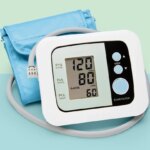
For example, one study examined the relationship between the gut microbiome and blood pressure medications, including beta-blockers, calcium channel blockers, diuretics, and angiotensin-converting enzyme inhibitors. Based on the researchers’ findings, these medications may affect the balance of the microbiota, and the microbiota may affect how your body metabolizes these medications and how well they work.
If you have any questions about how the medication you take might affect your gut microbiome, talk to your doctor.
Fecal Transplants Fecal matter transplantation (FMT) involves transferring the stool microbes of a healthy person into another person’s gastrointestinal tract to treat gastrointestinal issues. Healthcare professionals most often use this procedure to treat recurrent and severe infection of C. difficile colitis, the body’s response to a bacterial infection associated with diarrhea, abdominal cramping, and fever. The infection is often the result of antibiotic therapy, leading to an overgrowth of the harmful bacteria C. difficile in the gut that doesn’t respond to antibiotics and other measures.
In this situation, a healthcare professional would first prescribe narrow-spectrum antibiotics to target C. difficile, such as fidaxomycin and vancomycin. If this doesn’t successfully treat the infection, the U.S. Food and Drug Administration has approved two microbiota-based products, Reybota and Vowst, for the prevention of recurrent C. difficile infection. Vowst is the first FMT product that you can take by mouth.
Read the full article here