1. Whole Grains
Whole grains are thought to help increase the production of serotonin, a brain chemical that helps regulate mood and behavior, says April Hackert, RDN, a psychiatric culinary medicine dietitian who specializes in nutrition therapy for people with mental health conditions, based in Iron Mountain, Michigan.
In addition, both types of fiber help reduce your absorption of fat and cholesterol, improve your gut health, keep you regular, and may reduce your risk of heart disease.
If you haven’t included many whole grains in your diet, add them in gradually. Suddenly increasing your intake can trigger bloating and cramping.
A good place to start is with oats, whether in oatmeal, granola, muffins, or pancakes. “They can be easier on the stomach for people who aren’t used to the fiber of whole grains in their diet,” says Hackert.
2. Mangoes
It’s hard to beat the sweetness — and the nutritional profile — of a mango, making it an excellent food for people with bipolar disorder. According to Hackert, mangoes are especially rich in folate, which may help stabilize mood.
They also contain:
- Fiber, which, as already noted, has many health benefits
- Potassium, which Hackert says may help with side effects from bipolar 1 medications
3. Citrus Fruits
Although researchers don’t know exactly why, people with bipolar often have lower than normal levels of folate in their systems, according to research.
4. Fish and Seafood
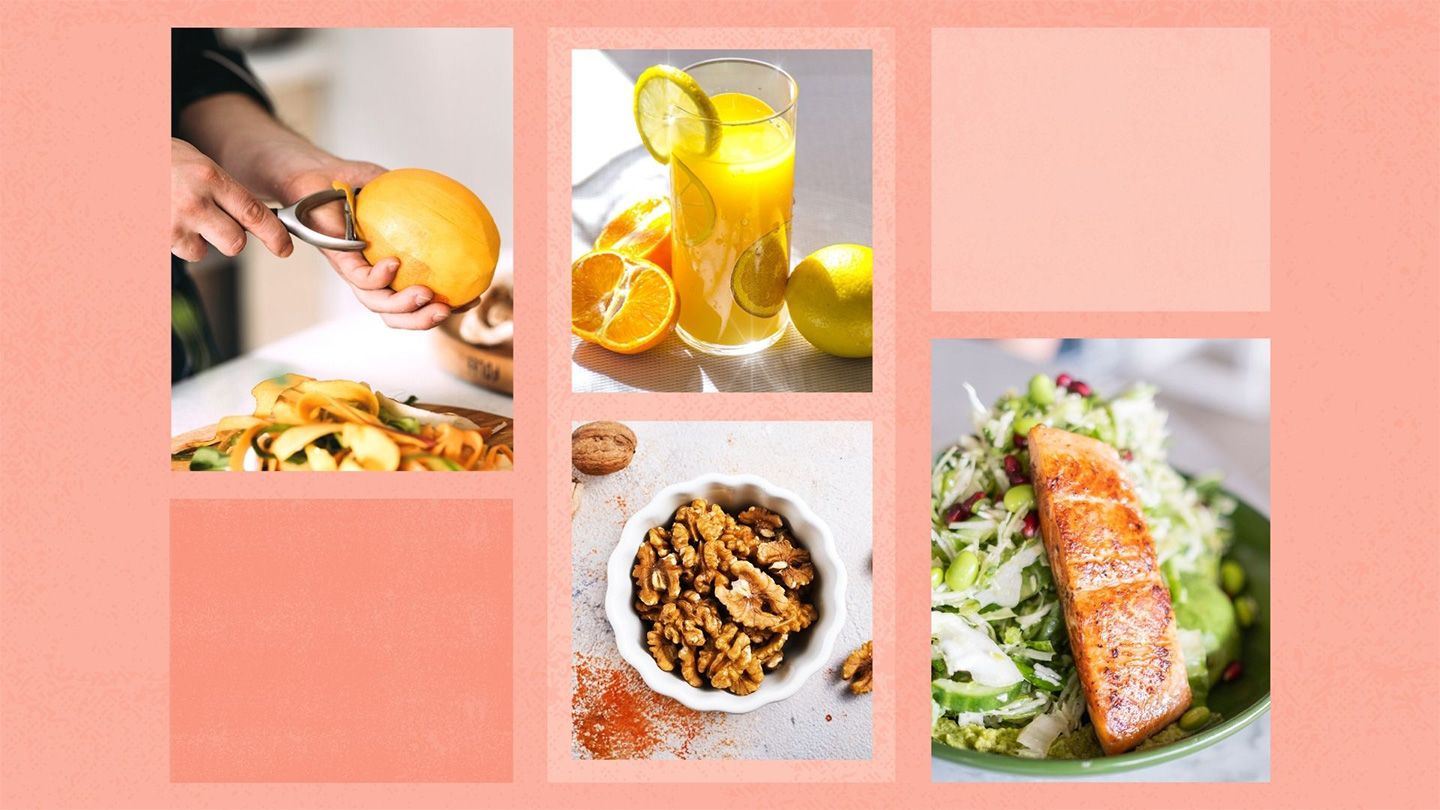
Many types of seafood — including salmon, tuna, cod, sardines, herring, and Atlantic mackerel — are loaded with omega-3 fatty acids, including eicosapentaenoic acid, and docosahexaenoic acid. These nutrients may help with brain signaling and also decrease oxidative stress, a type of damage from unstable molecules called reactive oxygen species that can harm the brain, says Hackert.
While the link between omega-3 levels and people with bipolar disorder isn’t completely understood, having low levels of the nutrient is seen as a risk factor for developing bipolar disorder in the first place.
What’s more, a study linked a diet high in omega-3s and low in omega-6s (found in sunflower, safflower, soy, sesame, and corn oils) with fewer shifts in mood, energy, irritability, and pain. And other research on omega-3s indicates that they may be beneficial for symptoms of bipolar disorder, though larger randomized controlled trials done over the long term are needed to test their potential.
5. Nuts and Seeds
Several types of nuts and seeds — including walnuts, Brazil nuts, and sunflower seeds — contain the brain-friendly nutrients folate and selenium. Research has found that selenium supplementation significantly reduced depressive symptoms in people with unipolar depression.
Selenium is important to get from your diet in small amounts, because it helps your body produce antioxidant enzymes that protect cells from damage. Preliminary studies suggest that selenium may help prevent certain cancers or protect the body from the toxic effects of heavy metals and other dangerous substances, though more research is needed.
Portability is a key benefit of nuts and seeds, since it is easy to carry around a handful in a purse or pocket to eat as a snack, she says. Nuts and seeds (including spreads like almond butter or tahini) have the added benefit of containing fiber.
6. Root Vegetables
- Vitamin C
- Potassium
- Fiber
- Niacin (aka vitamin B3)
According to Hackert, the nutrients found in many root vegetables are especially good at improving blood flow to the brain. This could be helpful, as research suggests that increasing circulation to the brain may help improve depressed mood in people with bipolar disorder.
7. Avocados
Avocado can be easily sliced and added to salads or sandwiches made with whole-grain bread. On the run? Consider snacking on guacamole in single-serving packages, which can be found in the supermarket’s refrigerated section, paired with a single-serving package of whole-grain crackers, says Hackert.
Read the full article here