Common wisdom holds that simple, bland foods can help ease nausea and diarrhea, which often accompany bouts of a viral infection or food poisoning. This strategy is known as the BRAT diet, an acronym for bananas, rice, applesauce, and toast. But while your parents may have sworn by it, health professionals now consider it outdated.
Read on to learn everything you need to know about the BRAT diet, including why people follow it, why experts no longer recommend it, and what to eat instead.
BRAT Diet Basics
The objective of the BRAT diet is to reduce uncomfortable gastrointestinal (GI) symptoms like nausea, vomiting, and diarrhea.
This temporary eating plan is thought to help manage acute bouts of diarrhea because it’s made up of low-fiber foods that are “binding,” explains Tamara Freuman, RD, author of The Bloated Belly Whisperer.
“The belief was that by allowing the gut to ‘rest’ from the work of processing fiber and including foods that might help firm up stool — applesauce contains pectin and bananas contain resistant starch — it could shorten the duration of a diarrheal episode,” Freuman says.
The BRAT diet has also been recommended for people who’ve experienced nausea or vomiting and are beginning to transition back to eating solid foods.
“These foods are considered easy to digest since they’re soft-textured, bland, and low in fiber,” says Freuman.
Why the BRAT Diet Is No Longer Recommended
Despite it being on doctors’ radars since the 1950s, strictly following a BRAT diet is no longer recommended during recovery from vomiting or diarrhea.
“Evidence suggests that it does not shorten the duration of acute diarrheal episodes,” says Freuman. “Once a person with diarrhea is rehydrated, diarrhea appears to go away more quickly when they eat a nutritionally adequate diet compared with restricting intake for a more prolonged period of time.”
Strict adherence to the BRAT diet is especially detrimental to children and pregnant women. Again, it all comes back to the fact that bananas, rice, applesauce, and toast don’t provide sufficient vitamins and minerals.
“The diet is nutritionally inadequate,” Freuman explains. “It lacks adequate calories, protein, fat, fiber, iron, calcium, zinc, vitamin A, vitamin B12, and other key micronutrients.”
That’s problematic for two reasons. First, inadequate nutrition can actually worsen diarrhea by impairing gut function in the short term. Plus, “over time, malnutrition can impair growth and development [in children],” says Freuman.
BRAT Diet Alternatives for Diarrhea
If diarrhea is your main issue:
Hydrate
Some of the most critical concerns with chronic diarrhea is fluid loss and dehydration. A sufficient amount of body fluid is important for everything from cell function and digestion to temperature regulation and blood pressure control.
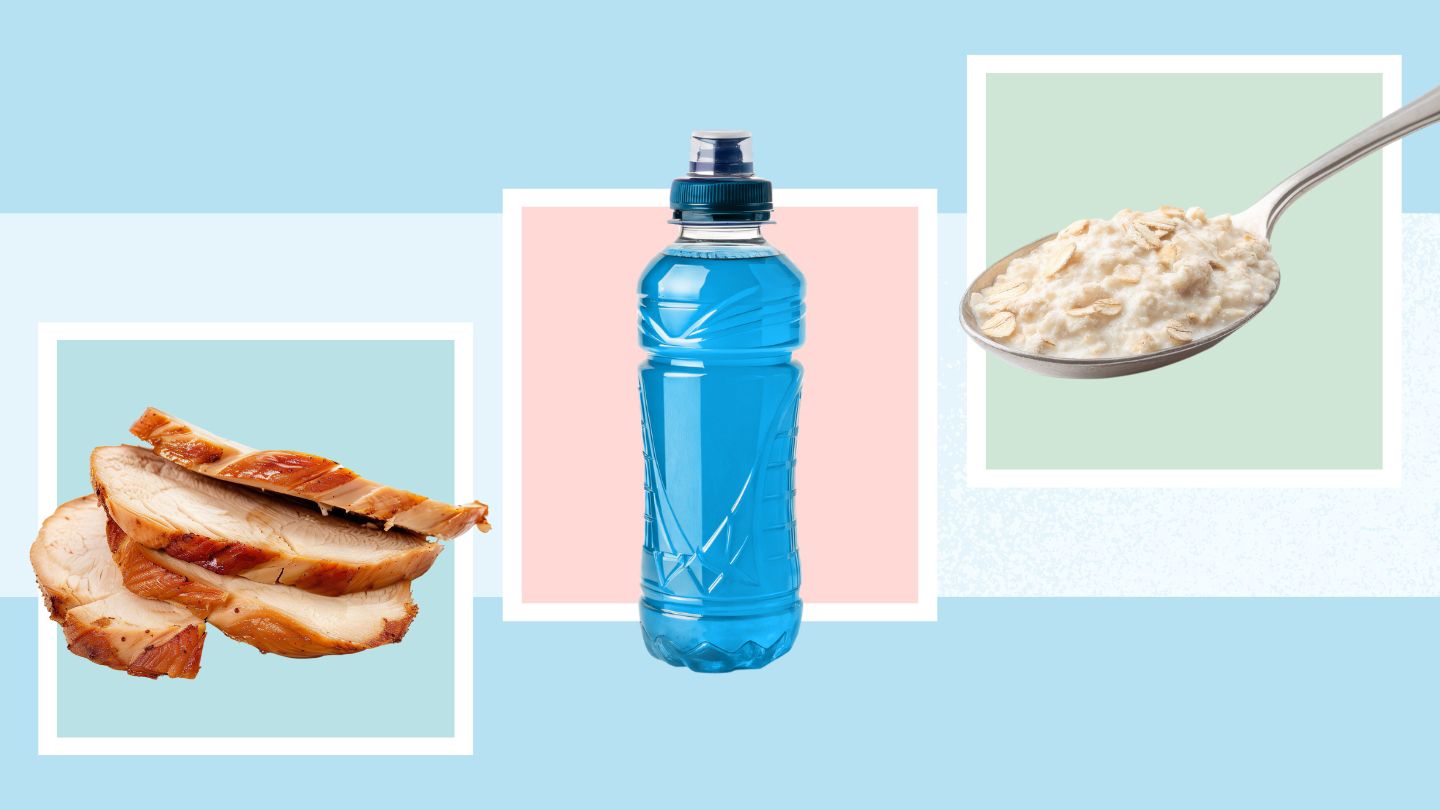
Instead of strictly following the BRAT diet after a bad bout of diarrhea, focus on rehydration, says Freuman, who recommends balanced rehydration solutions instead of plain water. She recommends products that are labeled as oral rehydration solutions, such as Pedialyte.
“Oral rehydration solutions contain a precise ratio of water to sugar to salt that maximizes fluid uptake and reduces stool output,” Freuman says.
Consume Soluble Fiber
Including soluble fiber in the diet can also help relieve diarrhea.
“Soluble fiber forms a viscous, gel-like texture in the gut and helps slow down transit time and create more formed stools,” says Freuman.
Sources of soluble fiber include:
- Oats
- Papaya
- Pumpkin and peeled or cooked squashes
- Cooked carrots
- Skinless sweet potatoes
- Oranges and clementines
- Bananas
- Peeled apples
- Avocado
- Cantaloupe
Limit Insoluble Fiber
While you increase your intake of soluble fiber, it’s also a good idea to minimize your consumption of insoluble fiber, which may worsen GI symptoms.
Insoluble fiber is the roughage found in leafy greens, the thick skins of fruits and veggies, whole nuts, popcorn, wheat bran, whole beans, and lentils.
Cut Out Sweets
It’s also best to curb your sweet tooth if you’re dealing with diarrhea.
“Small amounts throughout the day shouldn’t be an issue, but larger intakes of sugar in one sitting can draw excess water into the bowel through osmosis and worsen diarrhea,” says Freuman.
Avoid concentrated sources of sugar like juice, sweetened beverages, honey, maple syrup, ice cream, and desserts.
Stick to Plain and Lean Proteins
High-protein foods tend to be belly-friendly for those struggling with GI issues.
“Plain, lean proteins should be ‘GI neutral,’ meaning they shouldn’t aggravate diarrhea or stimulate the bowel excessively like higher-fat foods can,” says Freuman. “Lean chicken, turkey, fish, and eggs all provide protein, iron, and zinc, and are generally well-tolerated and need not be avoided.”
BRAT Diet Alternatives for Nausea
Ways to alter your diet for relief of nausea include:
Rehydrate
Oral rehydration solutions (ORS) are just as important for chronic nausea that’s accompanied by vomiting as they are for diarrhea.
“If you aren’t able to hold down larger volumes, take tiny sips,” says Freuman.
Another option: Freeze ORS into popsicles to help pace yourself with tiny amounts of liquid intake at a time.
Add Ginger
Adding ginger to your diet can also help ease nausea and vomiting, thanks to its active compound gingerol.
“You can buy ginger chews and candies, steep ginger tea, or drink real ginger ales that actually contain ginger, not just ginger flavor,” Freuman says.
Go Cold
Also, pay attention to temperatures.
“Sometimes cold drinks and foods are easier to get down than warmer ones,” says Freuman. Cold or frozen foods also have less of an odor than warm or cooked foods, which can be helpful for people who find the smell of foods to be nauseating.
Sip a Smoothie
If a solid meal isn’t appealing, opt for a smoothie that includes frozen fruit or veggies along with protein-packed additions like Greek yogurt, nuts, or nut butters, and seeds like chia or flax for a satisfying sip. It’s important to note that diarrheal illnesses can cause temporary lactose intolerance, which could make symptoms worse, so you may want to skip dairy milk.
When to See a Doctor
While most people recover on their own from common stomach bugs, you should seek medical attention if you experience:
- Bloody diarrhea
- Diarrhea lasting more than three days
- Fever over 102 degrees F
- Vomiting so often that you can’t keep fluids down
- Signs of dehydration: not peeing much, dry mouth and throat, or dizziness when standing up
Read the full article here