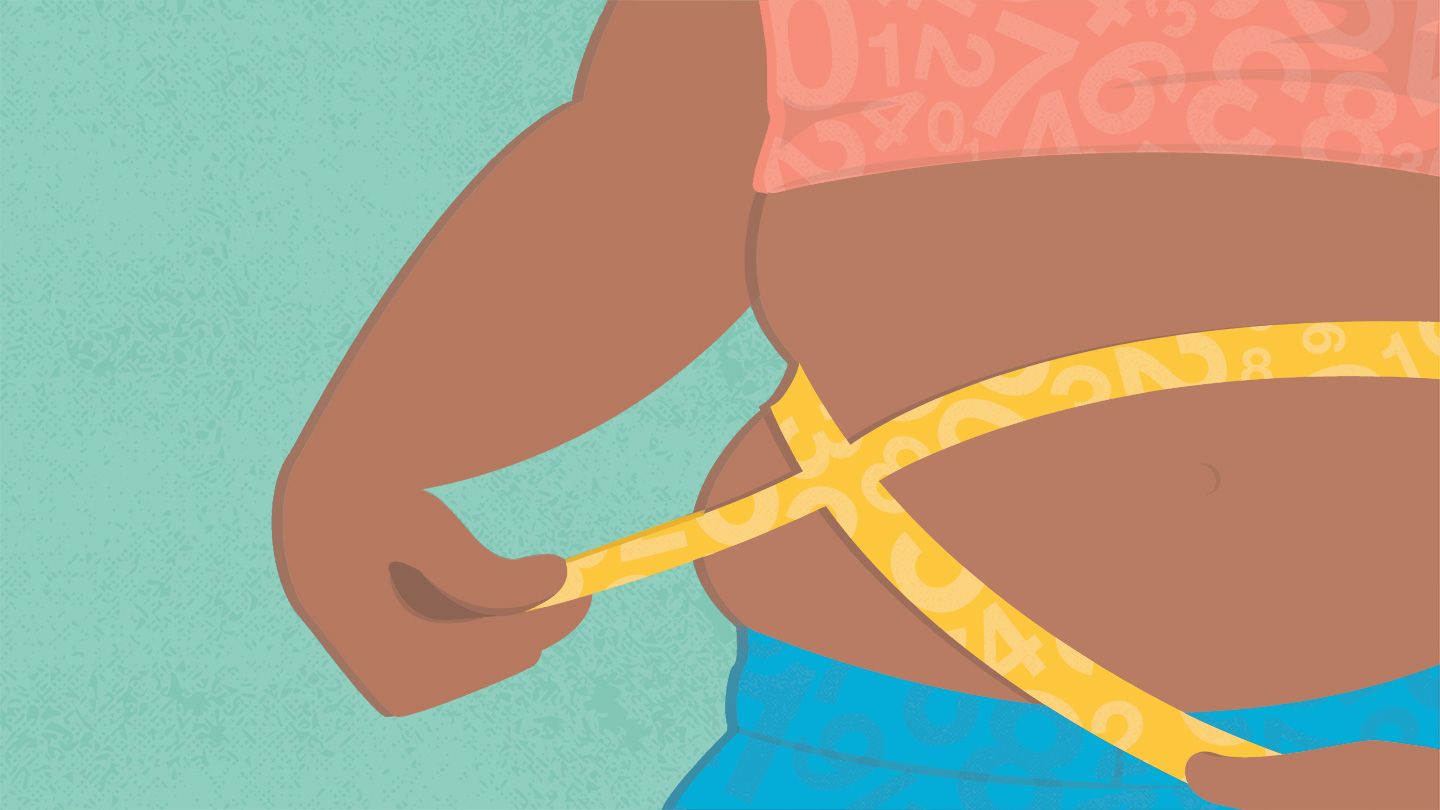
Drawbacks of Using BMI
BMI has long been a staple in health assessments. However, it is far from perfect, and as the years have passed, more and more research has emerged revealing the flaws of this approach.
BMI Is an Inaccurate Way to Predict Disease Risk
BMI is inconsistent in accurately predicting the impact of body fat on disease risks or coexisting conditions.
BMI Can Misclassify Muscular People as Having Obesity
Although a high BMI is associated with having a high amount of body fat, BMI doesn’t directly measure body fat percentage.
“BMI is essentially a surrogate for adiposity or percent body fat, which is the actual risk factor,” says William Yancy Jr., MD, an internal medicine doctor and obesity medicine specialist at Duke Health in Durham, North Carolina.
Because BMI can’t differentiate between fat and muscle, it can misclassify very muscular people as overweight or obese, Dr. Yancy says.
Two examples: The clearly fit and muscular USA Rugby star Ilona Maher revealed she had a BMI of 29.3 in a TikTok video that has more than 1.2 million views.
When Arnold Schwarzenegger was crowned the Mr. Universe of the bodybuilding world, he also had a BMI of around 30, which would be in the “obesity” category, Dr. Mehal says.
“Clearly, his weight was due to muscle — he had very little body fat. But that’s the rare exception in today’s world,” he says. Most people with a high BMI carry too much adipose tissue (body fat), he adds.
BMI can also underestimate risk in people with very low musculature, such as people with sarcopenia (a type of muscle loss that happens with aging or immobility), Yancy says.
Read the full article here