Why Dolly’s Loss Feels So Big
Part of what made Dolly exceptional was her broad appeal and universal adoration.
“Dolly Parton had an extraordinary ability to belong to many different groups without seeming to belong exclusively to any one of them,” says Lichenthal. People across generations, geographic regions, faiths, political perspectives, and identities found something in her that felt familiar or meaningful, she says.
That ability to cross divides stood out long before her death. A 2019 New York Times headline summed it up this way: “Is There Anything We Can All Agree On? Yes: Dolly Parton.”
In a time when seemingly everything can become politically or culturally charged, Dolly was a rare patch of common ground. Her public persona conveyed humor, faith, generosity, self-acceptance, and, for many people, an absence of judgment.
“People didn’t just know what Dolly did. They felt they knew something about what she stood for,” Lichtenthal says. One of those things was literacy. Growing up, Dolly’s father could not read or write, and she saw firsthand how that limited the opportunities available to him. To spare the next generation that fate, Dolly created the Imagination Library, which gave away hundreds of millions of free books to children.
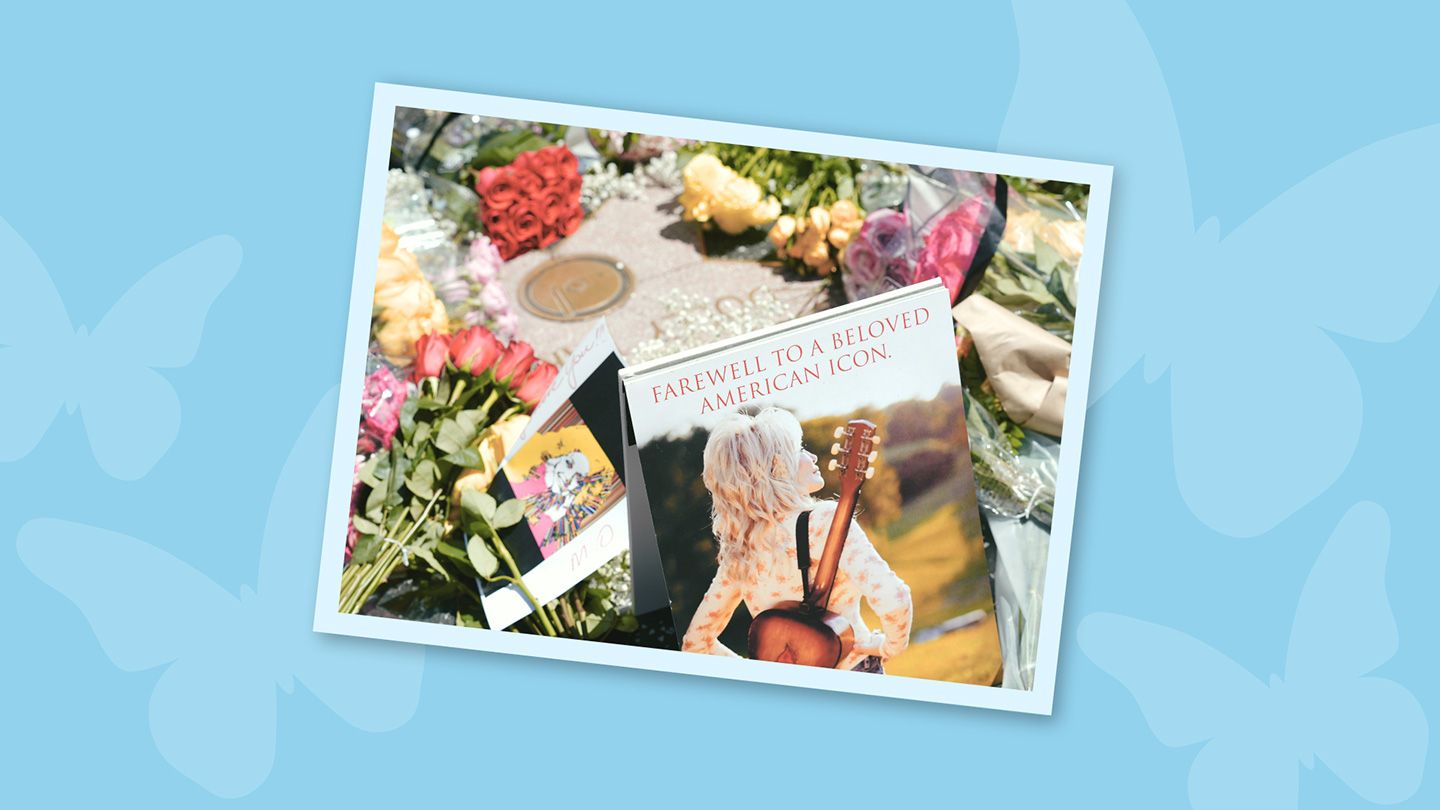
“Dolly was, in a very real sense, someone people gathered around, and now, after her death, she is bringing people together again,” says Lichenthal.
People Loved Dolly Because She Didn’t Pass Judgment
Dolly’s message of acceptance was central to who she was, and it resonated especially with people who grew up ostracized for their sexual orientation or gender identity.
“She became an LGBTQIA+ icon through her devotion to her queer fans, her rejection of religious judgment and defense of transgender people, despite being a proud and vocal Christian woman,” says Desiree Taranto, a licensed mental health counselor with diagnostic privilege who is certified in dialectical behavioral therapy, and clinical director at Empower Your Mind Therapy, a mental health practice in New York City.
Parton publicly supported LGBTQIA+ people and marriage equality over the years, and fans highlighted that advocacy in tributes following her death. For many people who grew up feeling judged, rejected, or unwelcome, being openly embraced by a figure like Dolly was very affirming.
Music and Shared Memories Can Make Grief Feel Less Lonely
When someone famous dies, there’s a collective grief that connects people, especially in the age of social media, says Taranto. “People are sharing pictures, songs, and stories of how Dolly touched their lives and what she meant to them.”
Research into parasocial loss has found similar responses: People reminisce, memorialize the person who died, and seek out others who understand the significance of the loss.
With Dolly, it’s especially present because of the power of music. A song may take you straight back to a person, place, or period of your life connected with it. Music can also help you feel closer to other fans, even if you don’t know them.
So if putting on “Coat of Many Colors” makes you cry, that doesn’t mean you need to turn it off. Listening to the songs that matter to you, watching an old performance with someone who loved Dolly too, or swapping stories about what she meant to you can “help to not feel so alone in your grief,” Taranto says.
How to Take Care of Yourself When the Loss Feels Heavy
If part of you is thinking, “I shouldn’t be this upset,” Taranto’s first advice is simple: “Accept your feelings.”
She also suggests reaching out to others who are grieving, telling stories about Dolly, listening to her music, watching her movies, or writing about what the loss is bringing up for you.
If your reaction feels bigger than you expected, consider what might be underneath the grief you’re experiencing, says Lichtenthal.
You may also be grieving what she represented, and the parts of our own lives that became connected to her: your childhood, someone you miss, getting older, a place you came from, or a quality Dolly represented that feels increasingly rare, she says.
There’s no prescribed amount of time someone “should” grieve, either. A song, movie, photograph, or memory may bring another wave of sadness weeks or years later.
Read the full article here