The Health Benefits of Strategic Snacking
Strategic snacking has its place in a well-rounded diet. By choosing nutritious options and reasonable portions, you may see the following health benefits.
Bridging Nutrient Gaps
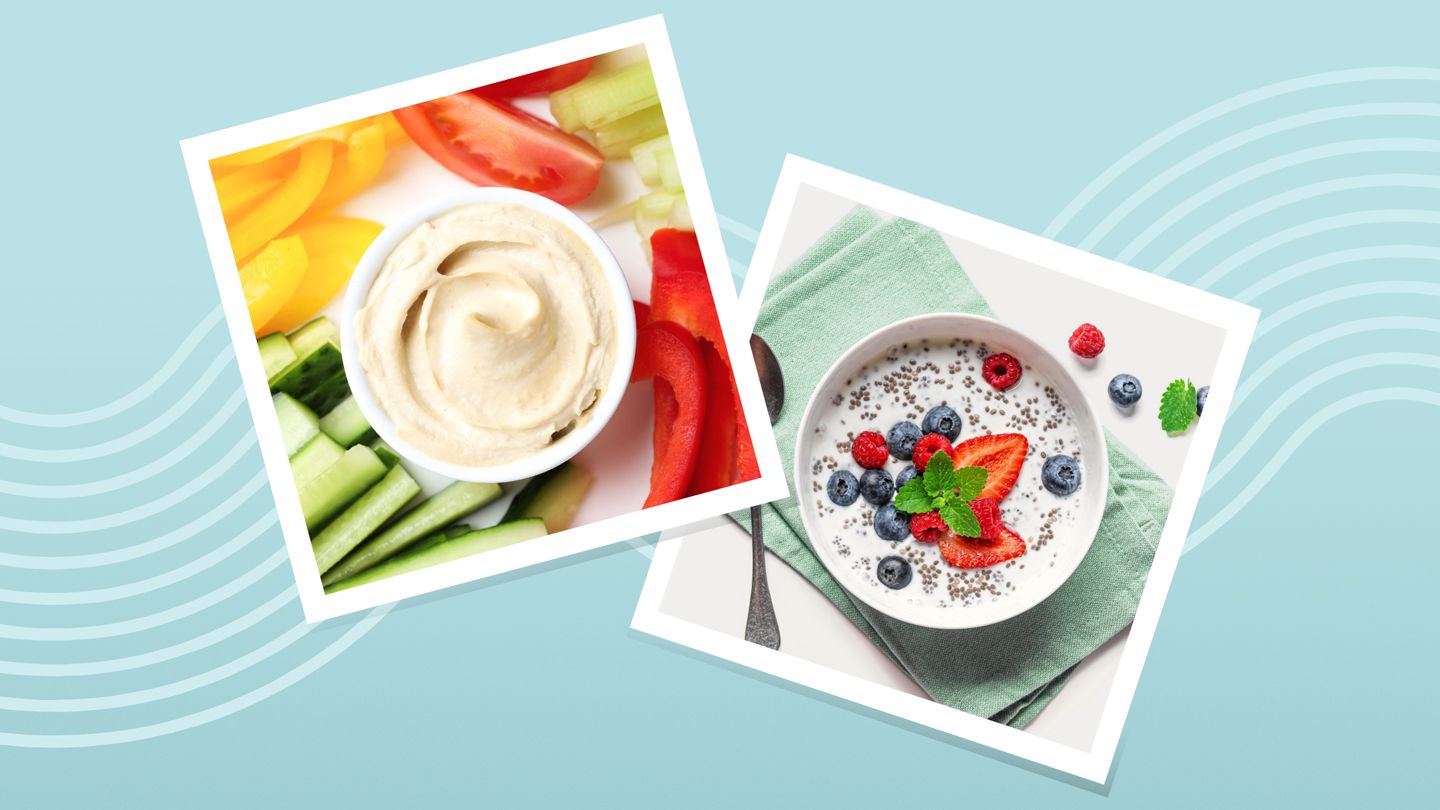
The high number of calories that most people consume from snacks essentially makes them a “fourth meal,” Bazilian says. Because of this, midday noshes can be a nutritional hero, filling in gaps not otherwise met. “I often encourage people to consider what a snack can add, rather than simply what sounds good,” she says. A plate of veggies and hummus or walnut-based trail mix, for example, provides fiber, protein, healthy fats, and multiple micronutrients, she says.
Preventing Overeating
Go too long without eating and you may end up with a blood sugar drop, triggering cravings for fast-digesting carbs that are less healthy, such as cookies, cakes, and ice cream, when you finally do sit down to eat. Ultimately, this can lead to overeating.
Fortunately, keeping healthy, balanced snacks at the ready can pump the brakes on the journey to low-nutrient, high-calorie choices. They provide a steady source of fuel for your body to use throughout the day. Amidor suggests selecting a snack of around 250 calories or less that contains two or more food groups (including protein, healthy fats, and fiber). All of these “help keep you feeling satisfied and can hold you over until your next meal,” she says.
Read the full article here