


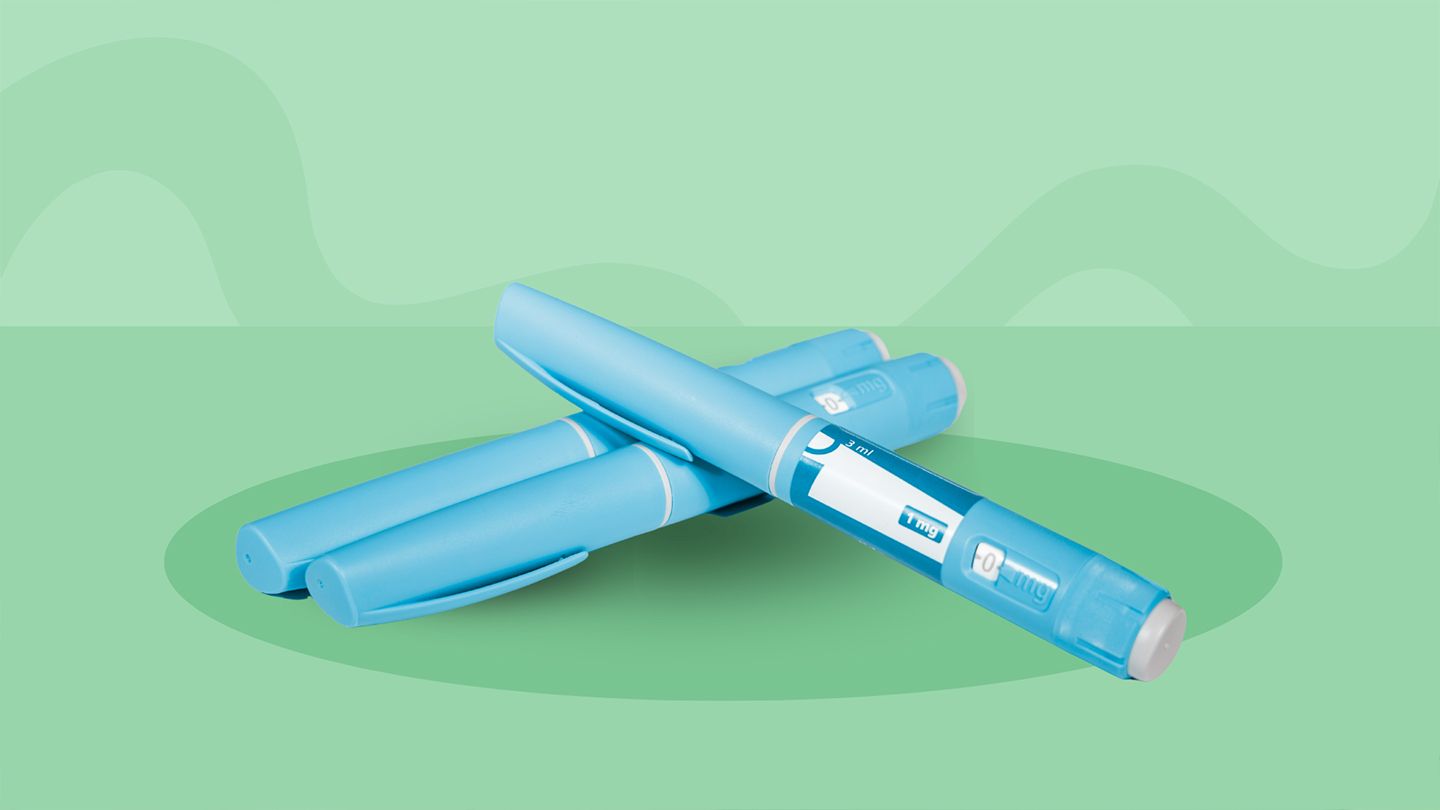
How GLP-1s Affect Insulin How GLP-1s Affect Insulin GLP-1 medications help the body release insulin more effectively. They mimic a naturally occurring hormone that helps the pancreas release insulin when blood sugar levels rise after a meal.e60dc2a1-f33c-4a05-9b50-8e3e8e5976298d6ed8d6-2a1c-47e9-9f8a-541a99c596af That increase in insulin helps move glucose out of the bloodstream and into cells, where it can be used for energy.e60dc2a1-f33c-4a05-9b50-8e3e8e5976292db2e4e5-eb81-4038-a5f3-0211b8e2a8ee At the same time, GLP-1 medications reduce the release of glucagon, a hormone that tells the liver to release stored glucose into the blood. Together, these effects help lower blood sugar levels and improve blood sugar control in people with type 2 diabetes .e60dc2a1-f33c-4a05-9b50-8e3e8e597629b5e457c6-a851-4456-ae34-96d6d295edc0 These benefits are due to the weight loss effects of GLP-1s, but the medication may also improve insulin sensitivity directly, too. One study examining the effects of the GLP-1 liraglutide, for example, found that the medication improved insulin sensitivity within two weeks, prior to weight loss, in people who have obesity and prediabetes , but other research has found that GLP-1s only have minimal direct benefits on insulin sensitivity.e60dc2a1-f33c-4a05-9b50-8e3e8e597629f423a93c-7f75-4b91-b736-7df02d227a99 Clinical studies show that people with type 2 diabetes typically experience lower blood glucose and increased insulin secretion during GLP-1 treatment, usually for as long as they take the medication. This is particularly true during the first two years of treatment.e60dc2a1-f33c-4a05-9b50-8e3e8e59762933d59449-9d2e-47b0-849e-3cd2e5c17119e60dc2a1-f33c-4a05-9b50-8e3e8e5976290d528226-01de-4092-914a-6fe516a16170
What Happens if You Stop Taking a GLP-1? What Happens to Insulin Levels if You Stop Taking a GLP-1 for Type 2 Diabetes Treatment? Insulin levels start returning to pre-medication levels relatively quickly. “In clinical trials, those who stopped the GLP-1 medicine regained the weight,” says Michael Weintraub, MD , a specialist in endocrinology and obesity medicine at NYU Langone Health in New York City. “Not everyone regained all the weight, but the vast majority of individuals did. And with weight gain comes the return of insulin resistance.” If you discontinue the medication, lifestyle interventions can partially preserve insulin sensitivity improvements after you stop taking the meds, says Silvana Obici, MD , the chief of the division of endocrinology at Stony Brook Medicine and the medical director of the Stony Brook University Hospital Diabetes Center in New York. Whole foods, increased fiber, regular exercise — including strength training — and prioritizing sleep and stress management may all help.e60dc2a1-f33c-4a05-9b50-8e3e8e5976298737b566-9901-4265-9bd1-87dcb5ee4c59
Up until the last five years or so, the first-line treatment for type 2 diabetes was metformin. But with the introduction of glucagon-like peptide (GLP-1) agonist drugs — and 20 years of research on them — doctors are increasingly prescribing these medications as a first-line treatment.e60dc2a1-f33c-4a05-9b50-8e3e8e5976293363b6f4-ef1e-4000-887f-c99b283df463 GLP-1s not only help regulate blood sugar levels among people with type 2 diabetes ; they can also improve metabolic health by lowering inflammation in the body and boosting weight loss, which can make it easier to manage the condition.e60dc2a1-f33c-4a05-9b50-8e3e8e597629b62839bd-9726-42de-9cd8-fedf40b80158 But can GLP-1s produce long-lasting changes to your blood sugar levels and improve insulin resistance over the long-term? Here’s what we know about the drugs and how long their effects last.
Can a GLP-1 Improve Insulin Resistance? Can a GLP-1 Improve Insulin Resistance? GLP-1 medications improve insulin levels while they’re being taken, but there is no evidence that insulin resistance remains permanently within a healthy range with long-term use. They can, however, boost your metabolic health in other ways while you’re using them. Weight Loss Excess body fat, particularly the visceral type that surrounds the organs, is a primary driver of insulin resistance . GLP-1 medications suppress appetite and reduce caloric intake, and the resulting weight loss makes cells more responsive to insulin.e60dc2a1-f33c-4a05-9b50-8e3e8e597629df9b2a61-0ad7-4d06-b419-af16393c0153 Lower Blood Glucose When blood glucose remains elevated over time, tissues become less responsive to insulin signaling, a key feature of insulin resistance. By lowering blood sugar levels, GLP-1 medications reduce chronic metabolic strain, which helps boost insulin responsiveness.e60dc2a1-f33c-4a05-9b50-8e3e8e5976297ec5c63f-1147-460b-a0b4-4b33a0367397 Reduced Inflammation Research suggests GLP-1 receptor agonists may lower signs of chronic, low-grade inflammation, including markers like C-reactive protein, and may also improve oxidative stress in the body. Together, these changes may reduce the metabolic strain that can interfere with healthy insulin function and blood sugar regulation.e60dc2a1-f33c-4a05-9b50-8e3e8e597629c0a15336-4002-4164-b6b0-a9c63e491978
Read the full article here


Leave a comment
