The Science Behind Exercise Snacks and Blood Sugar
It starts with the basic physiology of movement. When your muscles contract, they need energy. To meet this demand, your body pulls glucose from the bloodstream into the muscles, where it’s used as fuel, naturally lowering blood sugar levels in the process. The more intense the movement, the more glucose your muscles use.
“Short bouts of movement — or exercise snacks — help accelerate this process,” says Andrew Koutnik, PhD, research faculty at the Florida State University Institute for Sports Science and Medicine in Tallahassee. “Over time, regularly doing short bouts of movement also improves insulin sensitivity, which means your body needs less insulin to store the same amount of glucose. And these benefits apply to people with and without diabetes.”
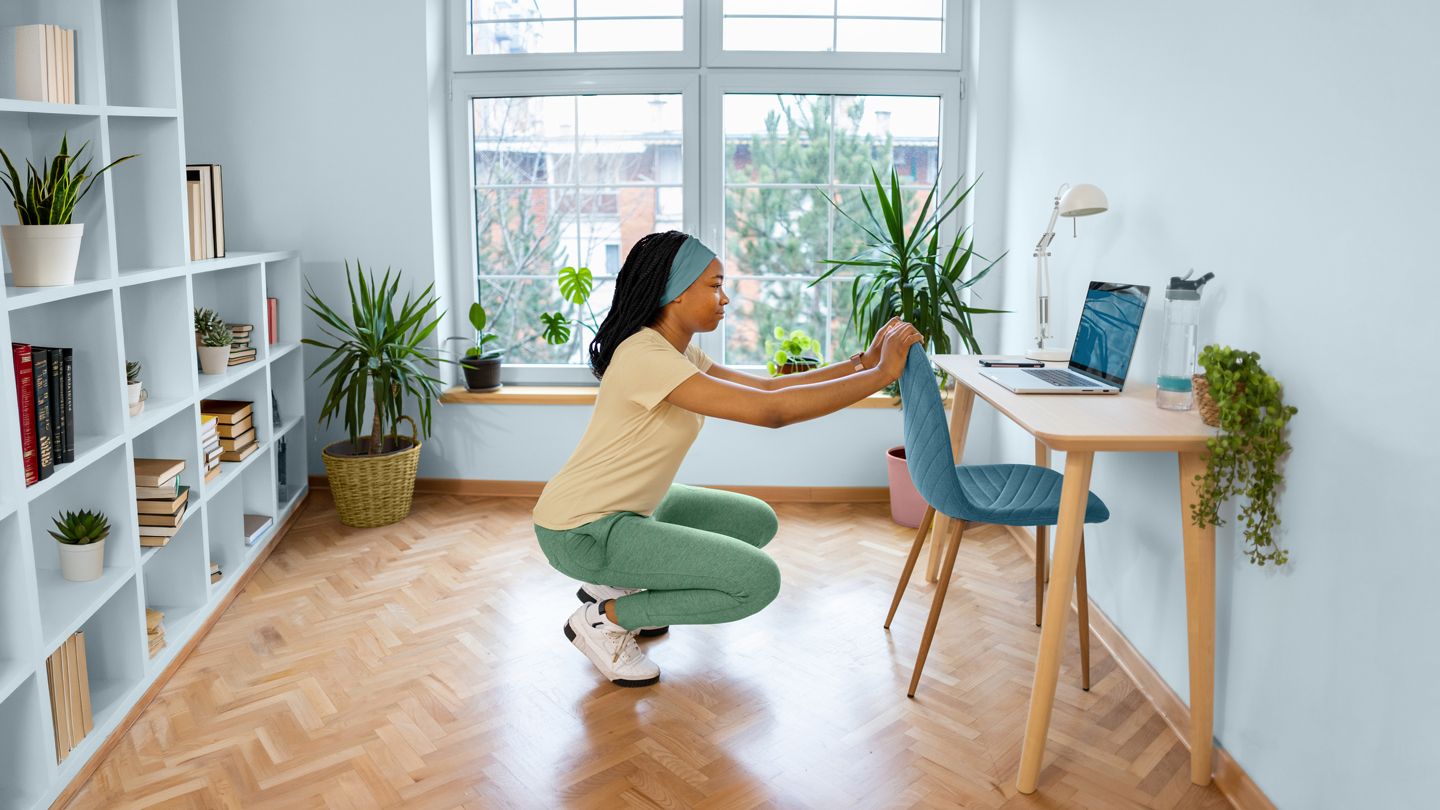
In other words, every brisk walk, quick stair climb, or set of squats can give your body an opportunity to regulate blood sugar levels, especially when timing is intentional.
That said, exercise snacks aren’t only beneficial after eating. “Using high-intensity exercise snacks before a meal can make the muscle more receptive to glucose. Then, low-intensity workouts after meals can help maintain higher blood flow and sugar delivery to those muscles. [This combination] may well be more effective than either approach used alone,” says James Cotter, PhD, an exercise physiologist and professor of physical education at the University of Otago in Dunedin, New Zealand.
But the effectiveness of exercise snacks can depend on factors such as how hard a particular muscle group is worked and the traditional workout intensity, says Cotter, who was among the first researchers to study exercise snacks for glucose control.
Read the full article here