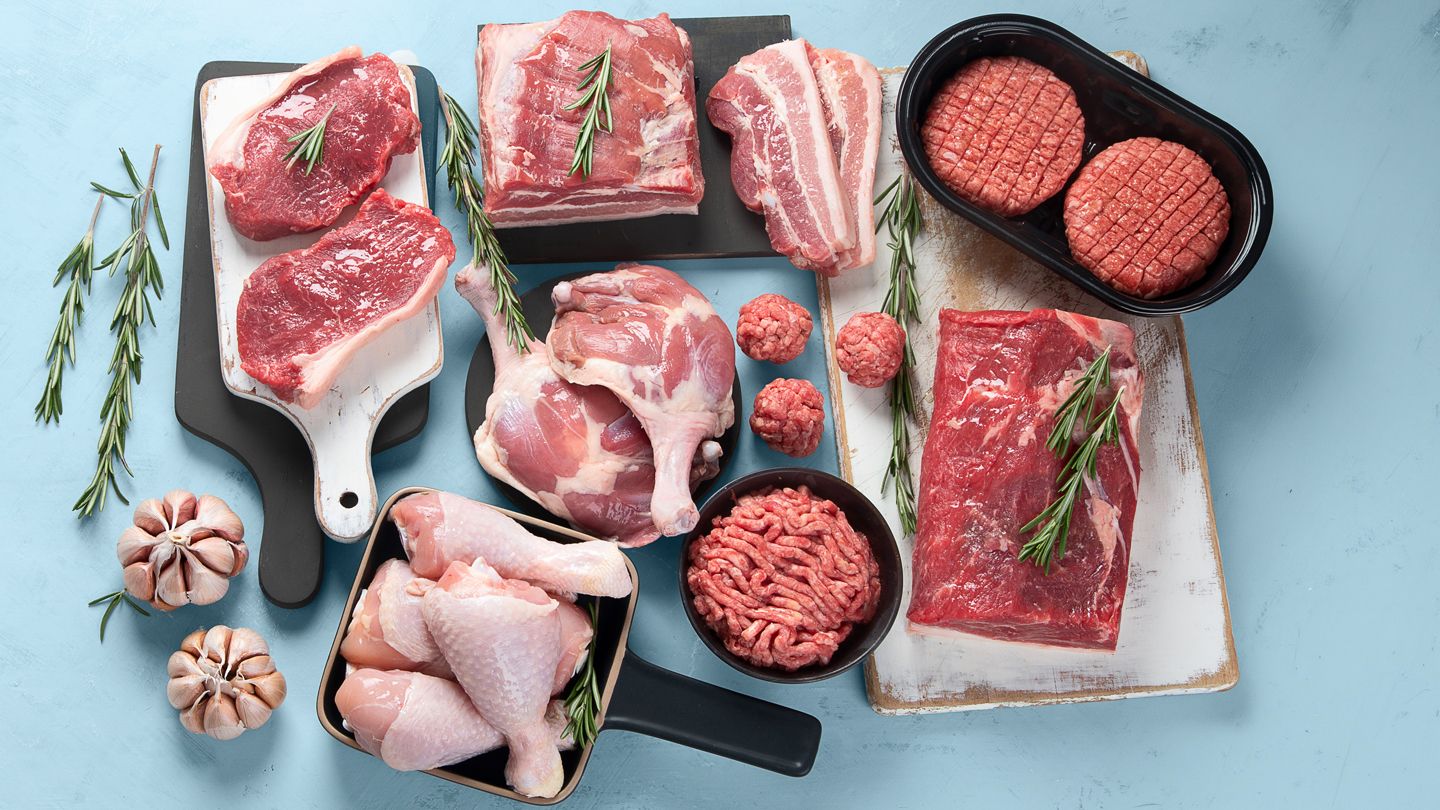
A new Swedish study suggests that older people with a higher genetic risk of developing Alzheimer’s disease might be able to maintain better long-term brain health if they get a little more meat in their diet.
The researchers focused on older people who carried the APOE4 genetic variant, a gene that raises Alzheimer’s risk.
Can Meat Protect the Brain?
The study observed more than 2,100 adults ages 60 and older for up to 15 years. None of the participants had dementia at the start.
They filled out food questionnaires to track their diet. Researchers then compared diets with changes in participants’ cognitive function and dementia status over time, adjusting for factors like age, education, and lifestyle.
The study categorized red meat (beef and pork) and poultry (chicken and turkey) as unprocessed and identified deli meats, bacon, and sausage as processed.
Participants were divided into five groups based on the total amount of meat they ate. Those at the low end ate a little more than 1 ounce a day while those at the high end ate about 4.5 ounces of meat a day, or less than an average-sized chicken breast.
Americans eat about twice that amount every day.
“The highest meat eating group was not even close to a ketogenic or carnivore diet,” says lead author Jakob Norgen, PhD, a postdoctoral researcher at the Karolinska Institute in Stockholm, Sweden.
The researchers found that, among participants who carried one or two copies of the high-risk APOE4 gene, those who ate the most meat did not experience the same cognitive decline over the 15 year study period as participants who ate the least meat, says Dr. Norgen.
The findings suggest that unprocessed meat may provide some brain-protective effects for people with higher genetic risk.
However, people who ate the most processed meat had a higher risk of dementia, regardless of which APOE genes they carried.
Nitrates in Unprocessed Meat May Be Harmful to the Brain
Hussein Yassine, MD, a professor of neurology and director of the Center for Personalized Brain Health at the USC Keck School of Medicine in Los Angeles, says the findings may reflect how processed versus unprocessed meats affect the brain.
“Additives such as nitrates in processed red meat have a damaging effect on the brain, as opposed to nutritious unprocessed red meat,” says Dr. Yassine, who wasn’t involved in the study. “This distinction is important.”
The Study Has Limitations
The study also had significant limitations, Yassine says. It was observational, which means researchers tracked health outcomes over time without any kind of intervention, like asking one group to take a medicine or follow a certain diet compared with a control group.
This kind of study can’t prove that eating more meat caused certain brain benefits, only that there is a link. It’s possible there are other other factors that influenced cognition and dementia risk that researchers couldn’t account for.
Yassine also notes that the study relied on self-reported food diaries, which can be inaccurate.
How Diet May Interact With Genetic Risk
Previous research supports the idea that diet and genetics interact, says Michael Lutz, PhD, a neurology professor at Duke University School of Medicine in Durham, North Carolina, who wasn’t involved in the new study.
Similar patterns have been observed in large studies such as the UK Biobank, he says.
But the new study doesn’t align with much of the previous research on diet and dementia risk, Dr. Lutz says.
For example, one recent study found that eating more red meat, especially processed red meat, was associated with a higher risk of developing dementia and worse cognition.
According to Lutz, one possible explanation for the latest findings may involve heart health. In the Swedish study, higher meat intake was linked to lower cholesterol levels and a lower ratio of saturated to polyunsaturated fat — factors that are closely tied to better brain health.
How Genes Shape Alzheimer’s Risk
About 50 percent of all people carry two copies of APOE3, which is tied to average Alzheimer’s risk.
Between 25 and 30 percent of people carry at least one copy of APOE4. People with one copy face 3 or 4 times the risk; people with two copies develop Alzheimer’s at more than 10 times the frequency of people with two APOE3 copies.
Still, most adults who carry one copy of the APOE4 don’t wind up with an Alzheimer’s diagnosis.
“Genetic predisposition is a relative risk, not a definitive prognosis that you will show symptoms of Alzheimer’s at a given age,” says Lutz.
Expert Advice on Lowering Your Risk for Alzheimer’s
Healthy habits that may help delay the onset of Alzheimer’s are similar regardless of genetic risk — though it may be especially important to adopt these earlier in life for people who have more risk factors, including the APOE4 variant, says Lutz.
He suggests the following evidence-based strategies:
- Take good care of your heart, including by managing your blood pressure and cholesterol
- Move your body regularly.
- Stay social and cognitively active.
Lutz recommends (and actually follows himself) the MIND diet, which has been linked to slower cognitive decline in studies. This diet emphasizes:
- Leafy green vegetables and other vegetables
- Berries
- Whole grains
- Fish and poultry
- Nuts and olive oil
It also limits red meat, butter, cheese, sweets, and fried or fast food.
Read the full article here