Common Triggers and Smart Swaps
Certain foods and eating habits can make it harder to manage weight, energy levels, and other menopause-related symptoms. These expert-approved swaps offer a simple way to improve the nutritional quality of your meals.
Swap Refined Grains for Whole Grains
Whether it’s quinoa for white rice, chickpea pasta for traditional pasta, or rye toast for white, adding more whole grains — and the fiber that comes along with it — to your diet “helps balance blood sugar, prevent mood dips, and provide long-lasting energy,” says Lyssie Lakatos, RDN, a cofounder of The Nutrition Twins in New York City along with her sister Tammy Lakatos Shames, RDN.
The dietary fiber found in whole grains can also help improve cholesterol and reduce your risk of obesity and heart disease, which you might be worrying about as you approach menopause.
Swap Deli Meats for Grilled or Pan-Seared Chicken
Protein becomes especially important during midlife, since hormonal changes associated with menopause can accelerate muscle loss and affect body composition. But not all animal proteins are created equal. “Fresh chicken is lower in sodium and fat than most deli meats,” says Rust. “A high-fat diet is associated with heart disease and some forms of cancer, and a high-sodium diet can elevate blood pressure.”
The decline in estrogen during perimenopause can increase your risk of insulin resistance, hypertension, high cholesterol, and accumulation of visceral fat. A low-fat, low-sodium diet can help reduce these risks.
Swap Skipping Meals for Veggie-Forward Meals
If you skip lunch or dinner you can end up running on empty, increasing the likelihood of energy dips, intense hunger, and overeating later in the day. Balanced, veggie-forward meals can help support steadier energy and make it easier to get the nutrients your body needs during menopause, including calcium, vitamin K, and magnesium that help build stronger bones, says Rust.
Consider adding leafy greens, broccoli, or asparagus to your meal, to name a few.
Swap Wine for Sparkling Water
Alcohol can be kryptonite for a good night’s rest, which may already be in short supply during the hot flash and night sweats stage of life. “As estrogen levels decline, we simply don’t process alcohol the way we used to, which can worsen hot flashes and make weight gain easier,” says Lakatos Shames. “Sparkling water with berries in a beautiful wine glass still feels like a special treat, but it saves you from the empty calories and blood sugar dips that lead to sleep disruptions and anxiety.”
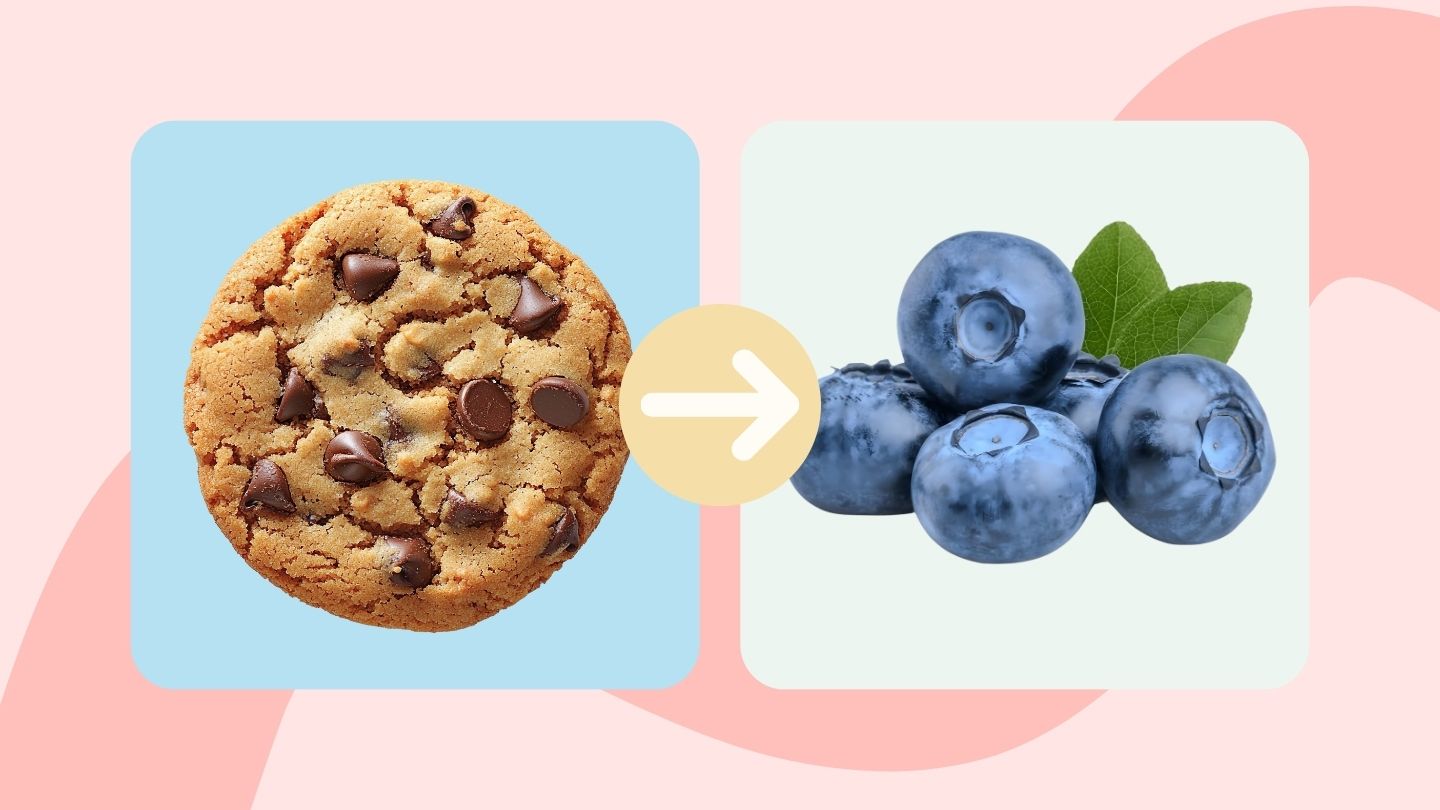
Swap Sugary Sweet Treats for Fruit
Candy is high in added sugar and offers little nutritional value, which can contribute to blood sugar spikes and crashes that may leave you feeling tired, irritable, or craving more sweets. Fruit can satisfy a sweet tooth while providing fiber, vitamins, minerals, and antioxidants. “If you have a sweet tooth, keep berries, grapes, watermelon cubes, or frozen fruit on hand for a sweet treat mid-day,” says Rust.
Read the full article here