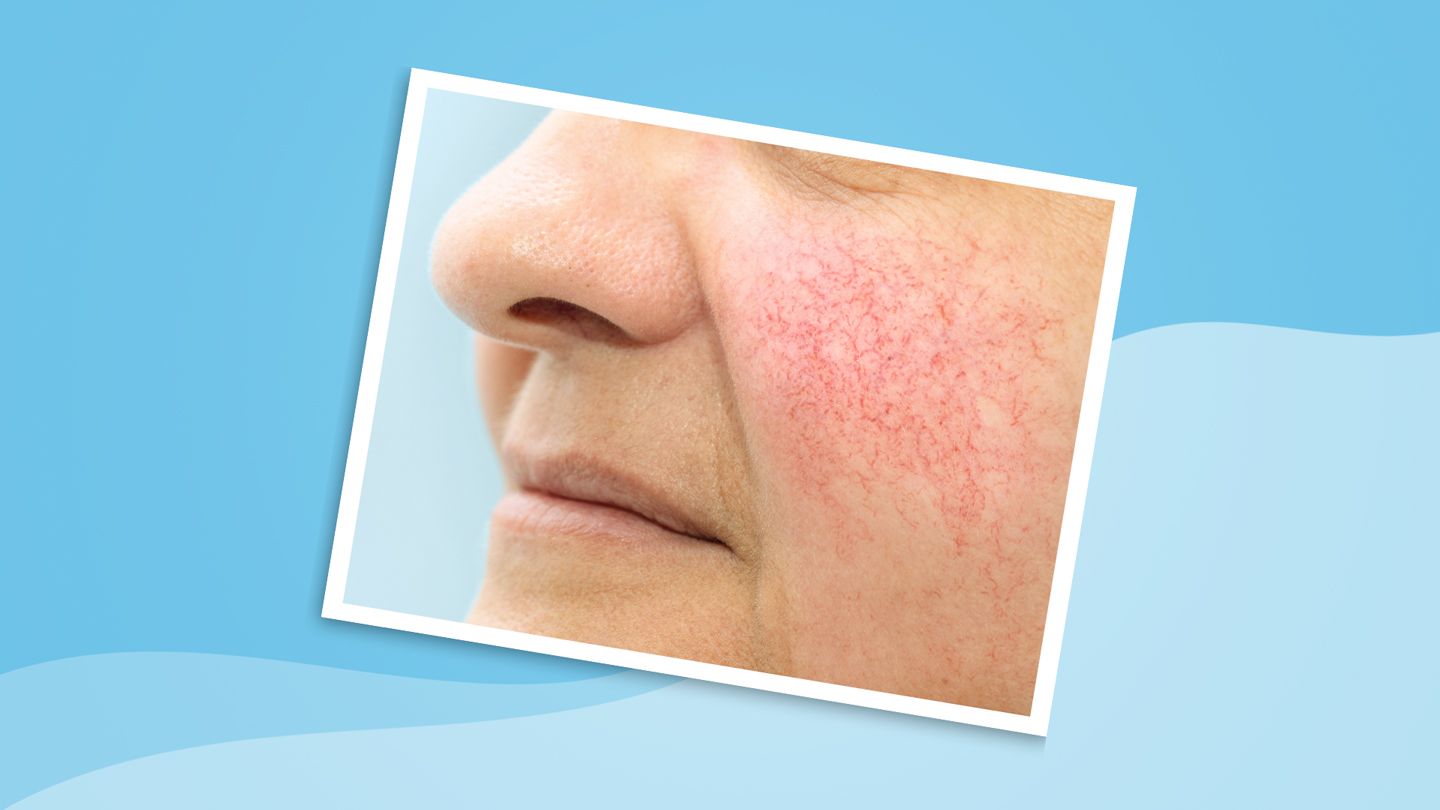
Managing Your Rosacea Triggers During Menopause
How you manage rosacea during menopause will depend on the severity and frequency of skin issues, says Dr. Kakpovbia. But there are a number of commonly used treatments that may be considered.
Rosacea Treatment
There are a number of potential treatments to reduce the effects of rosacea, Kakpovbia says.
They include:
- Topical skin-care medications such as metronidazole (Metrocream, Metrogel, Rosadan), azelaic acid (Finacea, Azelex), and ivermectin (Soolantra)
- Systemic therapies like oral antibiotics
- Laser or light treatments such as a pulsed-dye laser or intense pulsed light
In some cases, surgical procedures may be used for rosacea if other treatments aren’t effective, says Rozenberg.
Hormone Therapy
Although hormone therapy (aka hormone replacement therapy) is not a primary treatment for rosacea — even if the condition develops as you approach menopause — it may be considered as a way to minimize menopause symptoms, says Kakpovbia. It may reduce hot flashes and decrease rosacea flushes as a result, and hormone therapy could improve skin hydration and thickness as well by increasing estrogen.
Because of that, she suggests speaking with your doctor if you have concerns that hormone therapy may negatively affect your rosacea, and monitoring your skin health if you’re already taking hormone therapy.
Lifestyle Changes
Beyond therapies prescribed by your doctor, there are lifestyle habits that can potentially alleviate some symptoms of menopause as well as rosacea, says Rozenberg.
“People should maintain a healthy diet, partake in regular physical exercise, reduce stress where possible, and quit smoking,” she says.
Gentle skin-care routines that are geared toward aging skin can also be helpful, says Gaither. That means using nonirritating cleansers and moisturizers without alcohol or fragrance, and avoiding exfoliation products that can be harsh on the skin.
“Daily sunscreen that’s at least SPF 30 and mineral-based is another way to help prevent rosacea from worsening,” she says.
Discuss Menopause and Rosacea With Your Healthcare Team
It’s important to check in with your healthcare team about the intersection between hormonal health and rosacea, which may include both your dermatologist and gynecologist.
“It’s important to have an individualized discussion about the potential impact of rosacea as you’re going through perimenopause and menopause,” says Kakpovbia. “Monitoring for symptom changes and adjusting treatment as needed is a practical approach.”
Read the full article here