Good Personal Hygiene
Practicing good personal hygiene may seem too basic to be helpful, but the opposite is true.
“Handwashing, even though it sounds like the simplest thing, is the most important hygiene habit to do consistently,” says Odisho.
The most important times to give your hands a good scrub include:
- Before eating or preparing food
- After using the bathroom
- After coughing, sneezing, or blowing your nose
- After outdoor activities, gardening, or other dirty tasks
- After feeding, petting, or cleaning up after pets
- After being around someone who is sick
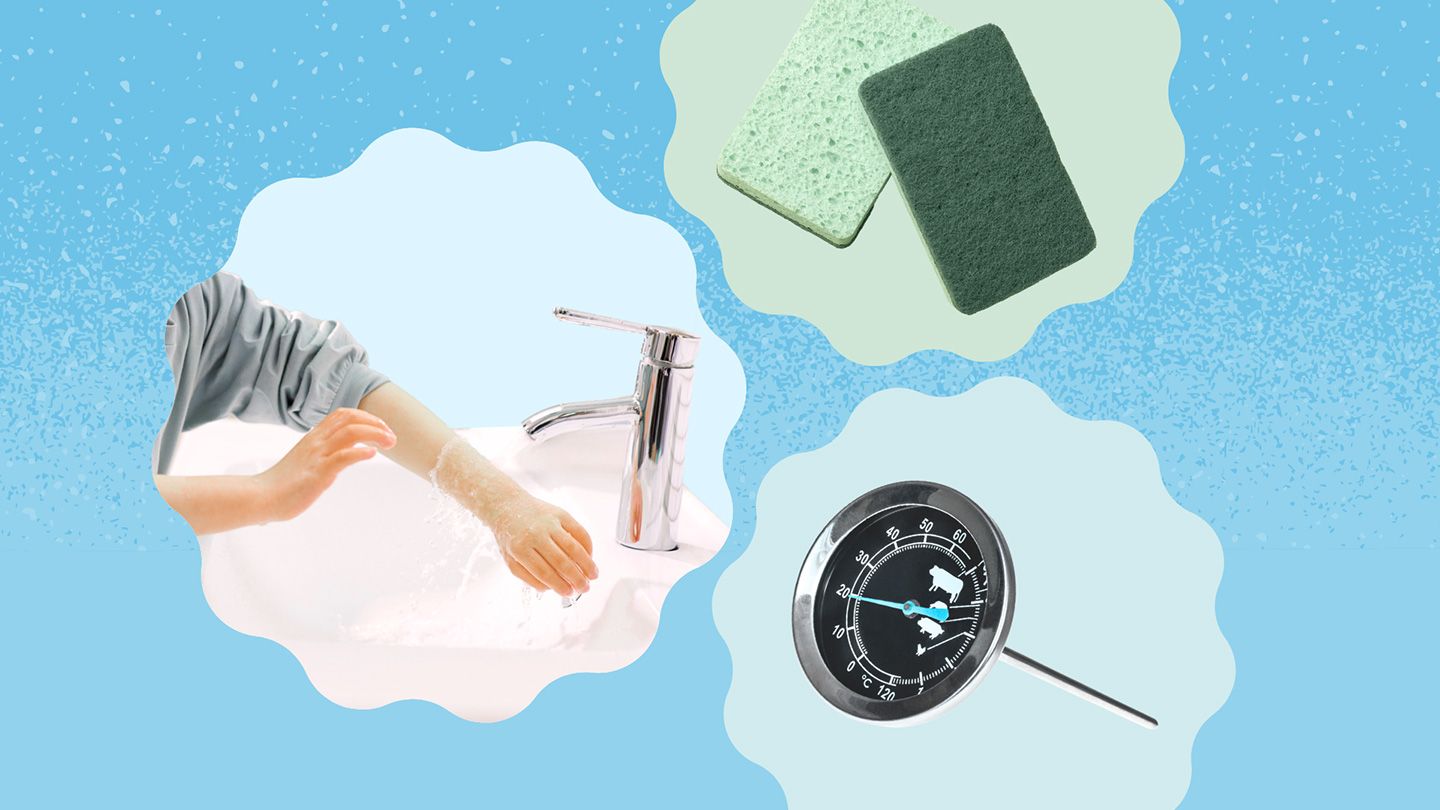
The Centers for Disease Control and Prevention (CDC) recommends wetting your hands, lathering with soap, scrubbing the backs of your hands, between your fingers, and under your nails, then rinsing and drying well. Scrub for at least 20 seconds.
If soap and water aren’t available, hand sanitizer can help, particularly when your hands aren’t visibly dirty. Use a sanitizer with at least 60 percent alcohol. Disposable hand wipes can also be useful when soap and water aren’t available.
Other personal hygiene habits can also reduce infection risk.
Keep nails short, smooth, and clean. “Keeping nails short and dull can also help prevent infections,” says Odisho.
Bathe or shower regularly and wash your hair. Basic soap and water are usually enough unless your doctor recommends something different.
Don’t overlook your mouth. “Oral health is the most overlooked,” says Odisho “Regular visits with the dentist, as well as flossing and brushing as directed, are important to help prevent infections that can start in the gums.” Having PI may make you especially prone to gum disease and infections related to decayed teeth.
Cover coughs and sneezes with a tissue or your elbow. If possible, wash your hands afterward.
Clean and cover cuts and scrapes. A serious cut, or any human or animal bite, should be checked by a doctor.
Don’t pick at your skin. Picking at healing wounds, blemishes, or pimples can make it easier for germs to enter the skin.
Use insect repellent in mosquito- or tick-prone areas. Use Environmental Protection Agency (EPA)–registered insect repellents to help prevent tick bites.
It’s also a good idea to avoid crowds, people who are sick, and secondhand smoke.
Read the full article here