


Make Your Own Marinades Make Your Own Marinades Store-bought marinades can contain high levels of sodium and sugar. For example, 1 tablespoon of teriyaki sauce has nearly 700 mg of sodium — more than the 500 mg limit that’s recommended for a meal.e60dc2a1-f33c-4a05-9b50-8e3e8e597629a1e175ee-55cb-4f92-bc27-9aa528ad682b Barbecue sauces, meanwhile, have nearly 6 grams (g) of sugar on average, which is the recommended per-meal limit for women and close to the recommended 9 g limit for men.e60dc2a1-f33c-4a05-9b50-8e3e8e597629a865f817-36a9-41a1-b973-d8e971b34158e60dc2a1-f33c-4a05-9b50-8e3e8e5976296dfd5d12-916e-4cd9-9a14-6f8dc1ddafeb Doerfler suggests making your own marinades at home with olive oil and a dash of lemon, orange, or lime juice, or natural vinegar. For more flavor, she says, you can add herbs or garlic.
Make Smarter Side Dishes Make Smarter Side Dishes Traditional choices like potato salad, chips, and coleslaw are high in fat and sodium, but you can tweak the recipes to make them a little healthier. When whipping up potato salad and coleslaw, for example, try using Greek yogurt instead of mayonnaise or preparing a vinegar-based slaw; if you leave the skin on the potatoes , you get an extra helping of fiber, too.e60dc2a1-f33c-4a05-9b50-8e3e8e5976295d8ee0ac-e44b-4253-a724-edc759bee1dd Or simply replace these traditional sides with healthier alternatives: Vegetable Salad Salads combine heart-healthy vegetables such as romaine lettuce, tomatoes, and cucumbers into one delicious bowl. Just go easy on the dressing, opting for lighter versions over higher-fat ones. You can also use an olive oil-based dressing, which research has linked to a lower risk of cardiovascular disease.e60dc2a1-f33c-4a05-9b50-8e3e8e5976295ad829b4-7216-430a-b08e-7c6b0baef673e60dc2a1-f33c-4a05-9b50-8e3e8e597629250bb674-d922-4fb3-82d8-f9edb26c37d2 Beans Beans are a great source of protein — plus, they have lower saturated fat and cholesterol than meat. Serve them with rice, mix them into a salad, or even make them into hummus.e60dc2a1-f33c-4a05-9b50-8e3e8e597629330de4fb-9a36-49a1-bcc5-1426165ee992 Whole-Grain Bowls Whole grains like brown rice, quinoa, and sorghum are linked with a lower risk of heart disease.e60dc2a1-f33c-4a05-9b50-8e3e8e597629acf13eab-ebce-4339-8e66-07461c494a46 Use them as the base for a bowl and mix in vegetables and heart-healthy seasonings like olive oil and garlic.e60dc2a1-f33c-4a05-9b50-8e3e8e597629f725f536-624b-464b-8776-4127b095a141
Nothing says summer quite like grilling in the backyard. Hamburgers, hot dogs, corn on the cob — all taste better when grilled to smoky, caramelized perfection. The catch: Grilling isn’t necessarily the healthy cooking method it’s hyped to be. A lot of traditional grilled fare, like processed meats and salty marinades, can contain unhealthy fats and too much sodium, putting further strain on the heart.e60dc2a1-f33c-4a05-9b50-8e3e8e597629126f6ad5-13ad-4905-8359-e2f81f790a25 Grilling itself, too, can produce potentially harmful chemicals that may worsen heart disease.e60dc2a1-f33c-4a05-9b50-8e3e8e597629e7e19122-29ee-4a79-bace-2be0a3c91798 That doesn’t mean you have to stash your grill in the garage all summer, of course. Just follow these heart-healthy cooking rules to stay safe this season.
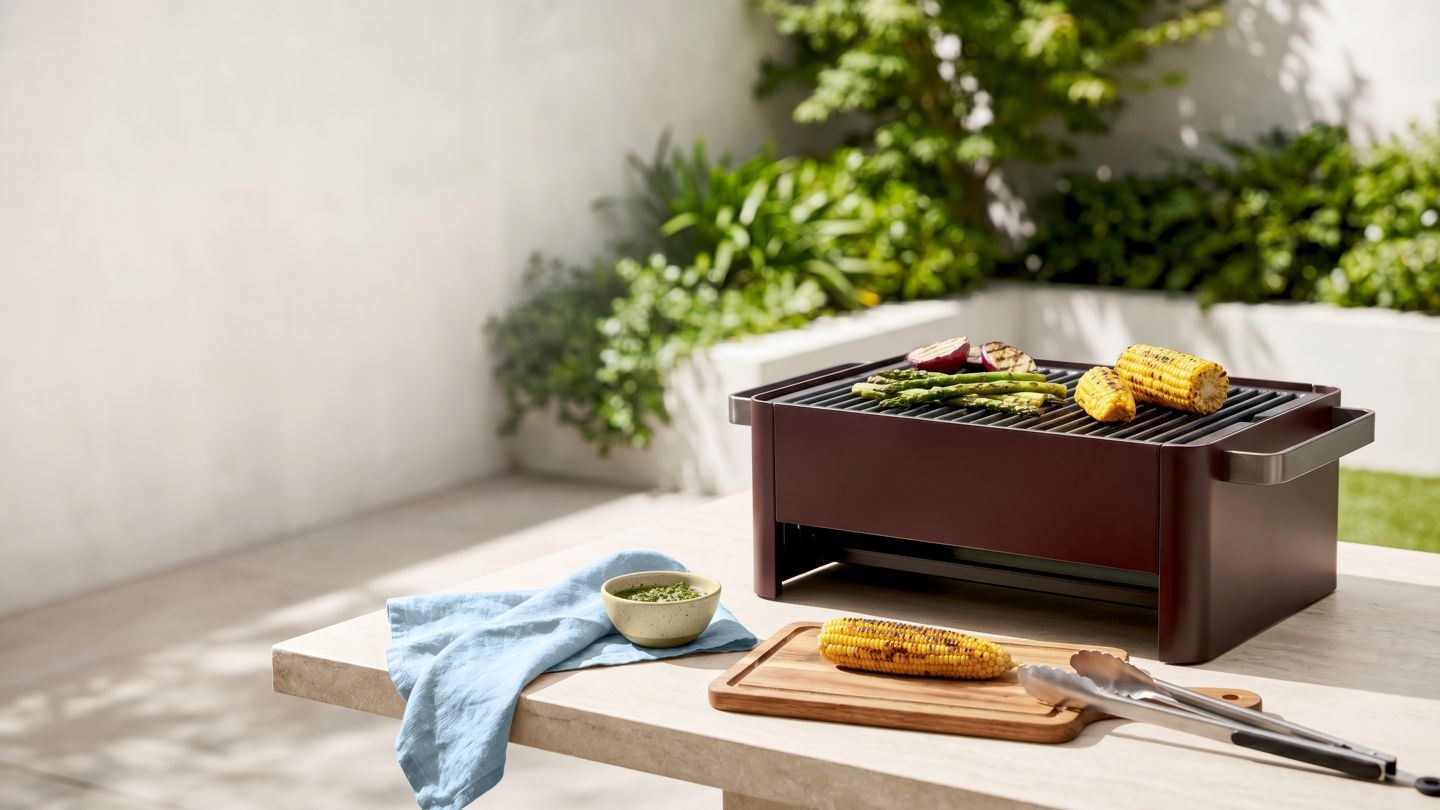
Fill the Grill With Vegetables Fill the Grill With Vegetables Vegetables contain high levels of antioxidants, compounds that improve heart health by protecting the blood vessels from injury.e60dc2a1-f33c-4a05-9b50-8e3e8e597629ccd45596-aa50-4231-b6ac-94a5284716ee Whether they’re the main dish or a side, these vegetables are some great options : Portobello mushrooms Peppers Onions Squash Zucchini Corn “Think of grilling season as equal parts vegetable, equal parts protein,” says Bethany Doerfler, RD , senior clinical research dietitian at the Digestive Health Institute at Northwestern Medicine in Chicago. “It’s really important, in order to have a well-balanced, heart-healthy barbecue, that at least 50 percent of the offerings are plant-based.”
Choose Healthier Proteins Choose Healthier Proteins Hot dogs and hamburgers are often high in saturated fat, which can increase your risk of heart disease by raising your cholesterol levels.e60dc2a1-f33c-4a05-9b50-8e3e8e59762963c9b1f4-7e47-42d1-9bcf-a6abf56c627b To reduce the fat content, choose leaner cuts of meat or trim off some of the fat before cooking it, says Matthew Landry, PhD , a registered dietitian-nutritionist at the University of California in Irvine. You can also swap in leaner alternatives, like chicken and turkey, Dr. Landry says. Seafood is another great source of protein , he adds, since fish contains healthy fats called omega-3s, which are essential for heart health. Plant-based burgers, such as lentil or veggie burgers, are another option, but they usually contain high levels of sodium, says Landry. Check the nutrition label on the package to make sure they contain fewer than 500 milligrams (mg) of sodium per serving, the recommended amount for heart health.e60dc2a1-f33c-4a05-9b50-8e3e8e597629efd08e62-10b0-426b-8ca7-4a47f4dc7332
Watch the Flame (and the Char) Watch the Flame (and the Char) Cooking food at high temperatures produces chemicals called heterocyclic amines (HCAs) and polycyclic aromatic hydrocarbons (PAHs). PAHs are linked to a greater risk of cardiovascular disease, while both PAHs and HCAs can cause DNA damage associated with cancers such as colon and pancreatic cancer.e60dc2a1-f33c-4a05-9b50-8e3e8e59762949bafa8c-761e-45de-8569-7bb0402f2d46e60dc2a1-f33c-4a05-9b50-8e3e8e597629c9181948-e40d-4a00-997a-5c3427bca8d0 Here are a few ways to minimize these chemicals: Grill more vegetables and fewer meats. HCAs only form when substances from meat — not vegetables — react to high cooking temperatures. And while PAHs can form from cooking any food at a high temperature, the meat that drips into the flames can produce even more PAHs.e60dc2a1-f33c-4a05-9b50-8e3e8e59762949bafa8c-761e-45de-8569-7bb0402f2d46 Remove the charred portions. Char and black grill marks are a sign that your food may contain HCAs or PAHs. Removing charred parts of food before you eat can decrease your exposure to these chemicals.e60dc2a1-f33c-4a05-9b50-8e3e8e5976292edd2d21-d3f9-42d0-a310-ff25022fe4c7 Grill at lower temperatures. Charring usually happens when food is cooked at 300 degrees F or higher.e60dc2a1-f33c-4a05-9b50-8e3e8e59762949bafa8c-761e-45de-8569-7bb0402f2d46 Luckily, Landry says, “You can actually grill at a lot lower temperatures than what people think.” Keeping your grill at a lower temperature can stop the release of harmful chemicals and help you protect your health. Don’t cook directly over the flames. Moving your food to the side while cooking can keep fat from dripping into the flames, reducing its exposure to high heat, Landry says. You can also cook on the grill’s second layer (if it has one), so the food is even further from the flame. Use a grill pan or foil. “You want to create a little bit of a buffer between the grill and the food,” says Doerfler. If you can’t reduce the temperature of your grill, these tools can help reduce your food’s exposure to the flames and minimize charring. Remember: You don’t need to avoid the grill (or hamburgers or barbecue sauce) this summer. Rather, think of summer as an opportunity to cook healthy foods that can directly benefit your heart, says Doerfler.
Read the full article here


Leave a comment
