What Does Pompe Disease Mean for Me?
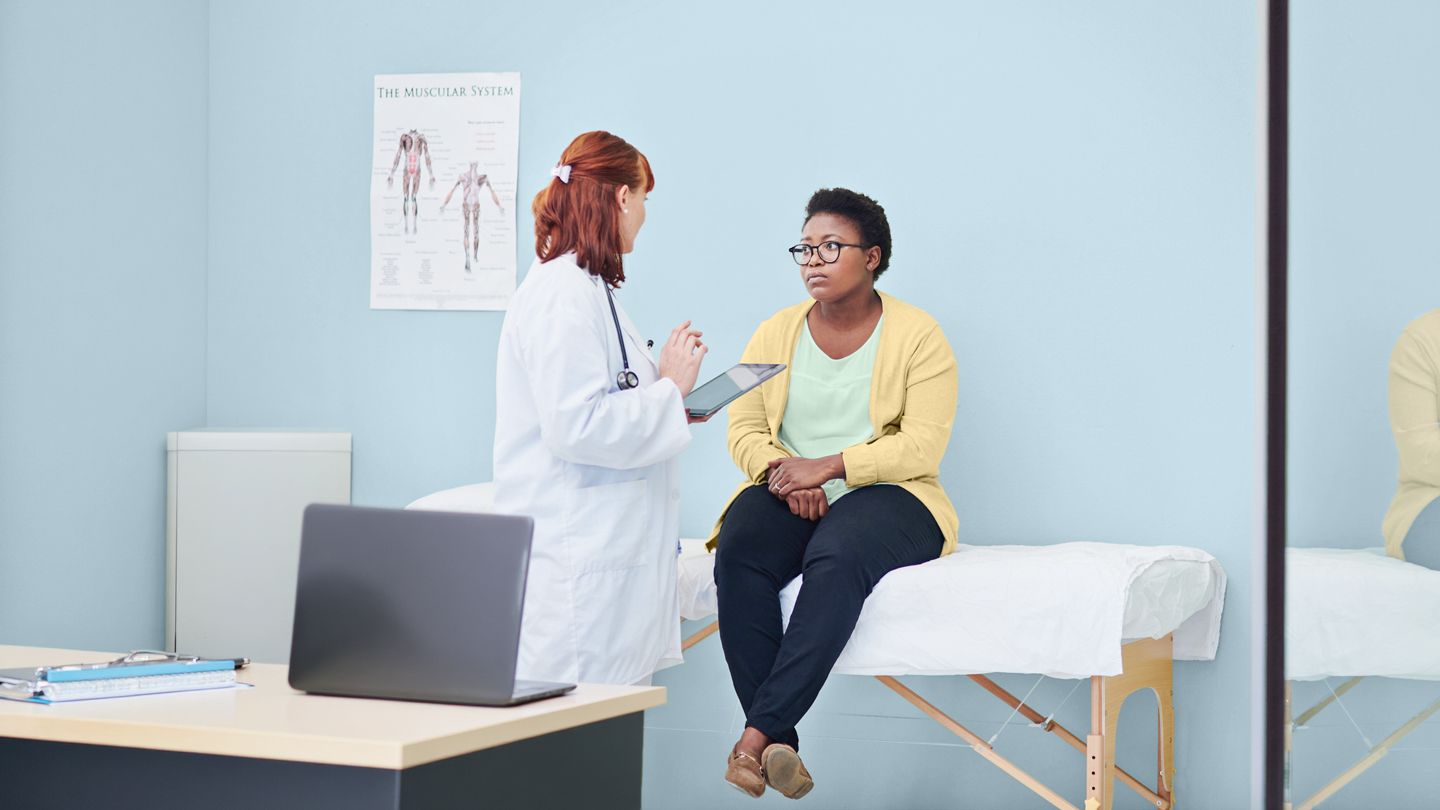
Receiving an LOPD diagnosis often brings with it two different — sometimes conflicting — feelings, says Emanuele Barca, MD, a neuromuscular neurologist at NewYork-Presbyterian/Columbia University Irving Medical Center. Because it can take years to be diagnosed, you may feel a profound sense of relief to finally have a name for your symptoms, mixed with the feelings of distress that can come from managing a rare disease, he says.
Heather Shorten, MSW, LSW, founder of the Pompe Alliance, who was diagnosed with LOPD in 2015, recalls that while the news felt scary and sad, it also brought her a necessary sense of clarity. “I was hopeful because now I knew what I had and I could plan for my care,” she says. “I needed to know so I could start planning how I’m going to take care of myself.” And treating your LOPD may take a lot of work.
Since LOPD is a progressive, multisystem disorder (affecting many body parts), expect to juggle many doctor appointments as well as adjustments to your daily routine, school and work life, and general energy use.
Some people notice increasing muscle weakness or fatigue, which may also lead to difficult decisions about their career or living situation. Shorten, for example, had to step away from her role as a social worker when her body could no longer keep up with the physical demands of the job.
Regular infusions as part of enzyme replacement therapy (ERT) are a huge time commitment, but they’re the only treatment that can help protect your muscle function, stabilize your health, and preserve your independence. Many people gradually find a rhythm that works for them, turning treatment into a regular part of their routine.
Read the full article here