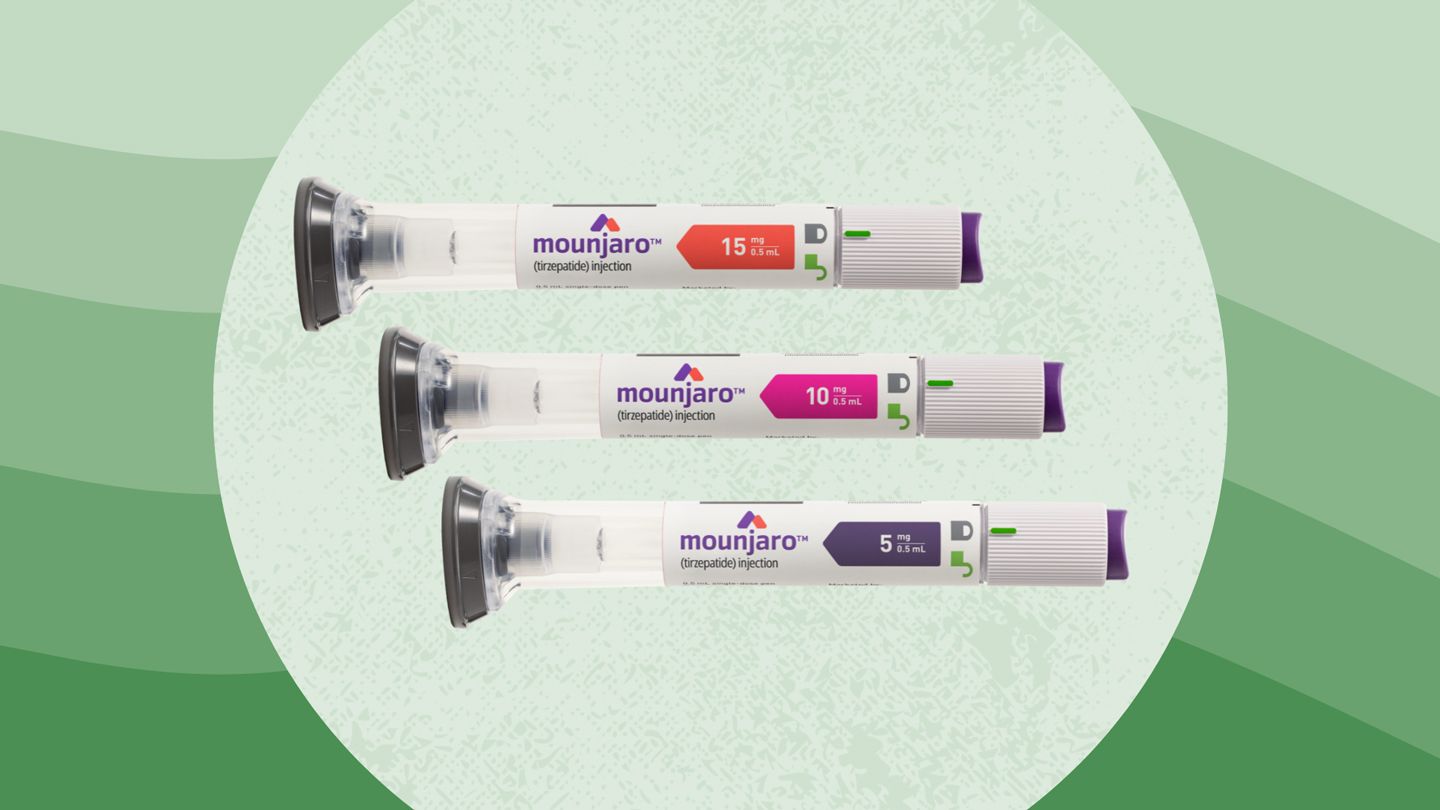
Tirzepatide is shaping up to be a game-changer for people living with type 2 diabetes and obesity. That’s because it’s gained a solid body of peer-reviewed research and is highly effective for treating both conditions.
Better Blood Sugar Management in Type 2 Diabetes
Other randomized clinical trials that compared tirzepatide with other type 2 diabetes medications found that tirzepatide improved outcomes. The maximum recommended dose of tirzepatide had lowered individuals’ A1C by 0.5 percentage points more than semaglutide, according to one study; 0.9 percentage points more than the long-acting insulin degludec (Tresiba), according to another study; and 1.0 percentage point more than another long-acting insulin glargine (Lantus), according to another study.
Weight Loss
Tirzepatide appears to be exceptionally effective for weight loss in people with and without type 2 diabetes, according to two clinical trials that tested its effectiveness for that use.
Nearly every participant in a 2022 study who received tirzepatide injections in conjunction with diet and exercise lost weight. The SURMOUNT-1 randomized trial involved more than 2,500 people who did not have diabetes but did have obesity (defined as a body mass index [BMI] of 30 and higher) or a weight-linked disease and a BMI of 27 and up.
Participants were randomly assigned to receive 5 mg, 10 mg, or 15 mg of tirzepatide or to receive placebo. Everyone also received an intervention that included regular lifestyle counseling sessions to help them adhere to “healthful, balanced meals,” with a deficit of 500 calories per day and at least 150 minutes of physical activity per week.
Not only did more than 97 percent of participants lose weight over 72 weeks, but more than one-third of the participants lost at least one-quarter of their body weight. The average weight reduction was 22.5 percent with the highest dose (15 mg), versus 2.4 percent in the placebo group. Furthermore, those who received the drug experienced a five times greater reduction in waist circumference than those who had the placebo (19.9 centimeters, or 7.8 inches, versus 3.4 centimeters, or 1.3 inches).
Another clinical trial assigned a randomized portion of adults who had obesity but not type 2 diabetes the highest dose of semaglutide — 2.4 mg — along with diet and exercise, versus lifestyle changes alone in the placebo group. At the end of five years, people on semaglutide had lost about 15 percent of their body weight on average — compared with about 2.4 percent in the placebo group.
In April 2023, Lilly announced the results of the second SURMOUNT trial, which studied tirzepatide’s effectiveness in people who had type 2 diabetes. Participants had a BMI of 27 or higher, weighed an average of 222 pounds (lb), and had an average A1C level of 8.0 at the start of the study. After 72 weeks, those who took the 10-mg dose of tirzepatide dropped an average of 30 lb, or 13.4 percent of their body weight, and those who took the 15-mg dose, lost an average of 34.4 lb, or 15.7 percent of their weight , compared with 7 lb, or a 3.3 percent weight loss, in those taking the placebo. More than four out of five of those taking a 10-mg or 15-mg dose lost at least 5 percent of their body weight, compared with 30.5 percent of those taking the placebo.
Improved Blood Pressure
Beneficial effects on systolic blood pressure (a measure of how much pressure is exerted against your artery walls when your heart is beating) have been found across the series of SURPASS trials that studied tirzepatide in people with type 2 diabetes. Systolic pressure dropped by between 4.2 mmHg and 12.6 mmHg after 40 to 42 weeks in participants receiving tirzepatide, mostly attributed to weight loss.
Read the full article here