


Treatment and Medication Options for Acromegaly Treatment Acromegaly treatment can involve medication, surgery, and radiation therapy to stop your tumor from growing, manage growth hormone levels, decrease symptoms, and prevent complications.e60dc2a1-f33c-4a05-9b50-8e3e8e5976296e0684e3-7612-4811-be85-0465303a12d6 Surgery Surgery can remove the tumor responsible for extra growth hormone production, and is often the first recommended treatment option. Even if your surgeon can’t remove the entire tumor, decreasing its size can make medical therapies more effective.e60dc2a1-f33c-4a05-9b50-8e3e8e5976296cc98201-8d34-4b56-874d-11db8e0689cf Medication Options Acromegaly medications work by lowering your growth hormone levels or blocking their actions. They include:e60dc2a1-f33c-4a05-9b50-8e3e8e5976299bd84692-3560-4a2e-8215-7bdc305fdca1e60dc2a1-f33c-4a05-9b50-8e3e8e5976296cc98201-8d34-4b56-874d-11db8e0689cf Somatostatin Analogs octreotide (Mycapssa, Sandostatin) lanreotide (Somatuline Depot) paltusotine (Palsonify) pasireotide (Signifor) Dopamine Agonists cabergoline (Dostinex) bromocriptine (Parlodel) Growth Hormone Receptor Antagonist pegvisomant (Somavert) Radiation If you can’t have surgery, or some of the tumor remains afterward, your doctor may recommend radiation therapy. This treatment involves targeted high-energy X-rays that kill tumor cells and can be a good option if other treatments aren’t working well enough.e60dc2a1-f33c-4a05-9b50-8e3e8e5976296e0684e3-7612-4811-be85-0465303a12d6
Support for People With Acromegaly Support Acromegaly Community This international network provides emotional support for people with acromegaly and their loved ones. They offer resources to help you understand your diagnosis and treatment, online support groups , and financial assistance.
Signs and Symptoms of Acromegaly Symptoms Excess growth hormone in acromegaly can cause tissues throughout your body to get bigger. But not everyone experiences all acromegaly symptoms. You may first notice subtle signs like tight shoes or rings.e60dc2a1-f33c-4a05-9b50-8e3e8e5976295fa0f664-2f7a-4d8f-9468-c23a518aed8b Acromegaly symptoms include:e60dc2a1-f33c-4a05-9b50-8e3e8e597629a10dfefe-8d7a-438c-8714-3048ddd8bf71e60dc2a1-f33c-4a05-9b50-8e3e8e5976295fa0f664-2f7a-4d8f-9468-c23a518aed8b Enlarged hands, feet, lips, nose, and tongue More pronounced lower jaw and brow Wider rib cage Thickened, oily, and coarse skin Larger space between teeth Increased sweating and body odor Deeper voice Small skin growths (skin tags) Head and joint pain Vision changes Acne
The Takeaway Acromegaly is a rare condition that causes the pituitary gland in your brain to prompt too much growth hormone production. Excess tissue and bone growth in acromegaly can cause enlarged features, thickened skin, gaps between teeth, headaches, joint pain, and vision changes. Treatment for acromegaly includes surgery, medications, and radiation therapy. Untreated acromegaly can cause complications like heart conditions, diabetes, and cancer, but with treatment, you can avoid worsening symptoms and enjoy a long life.
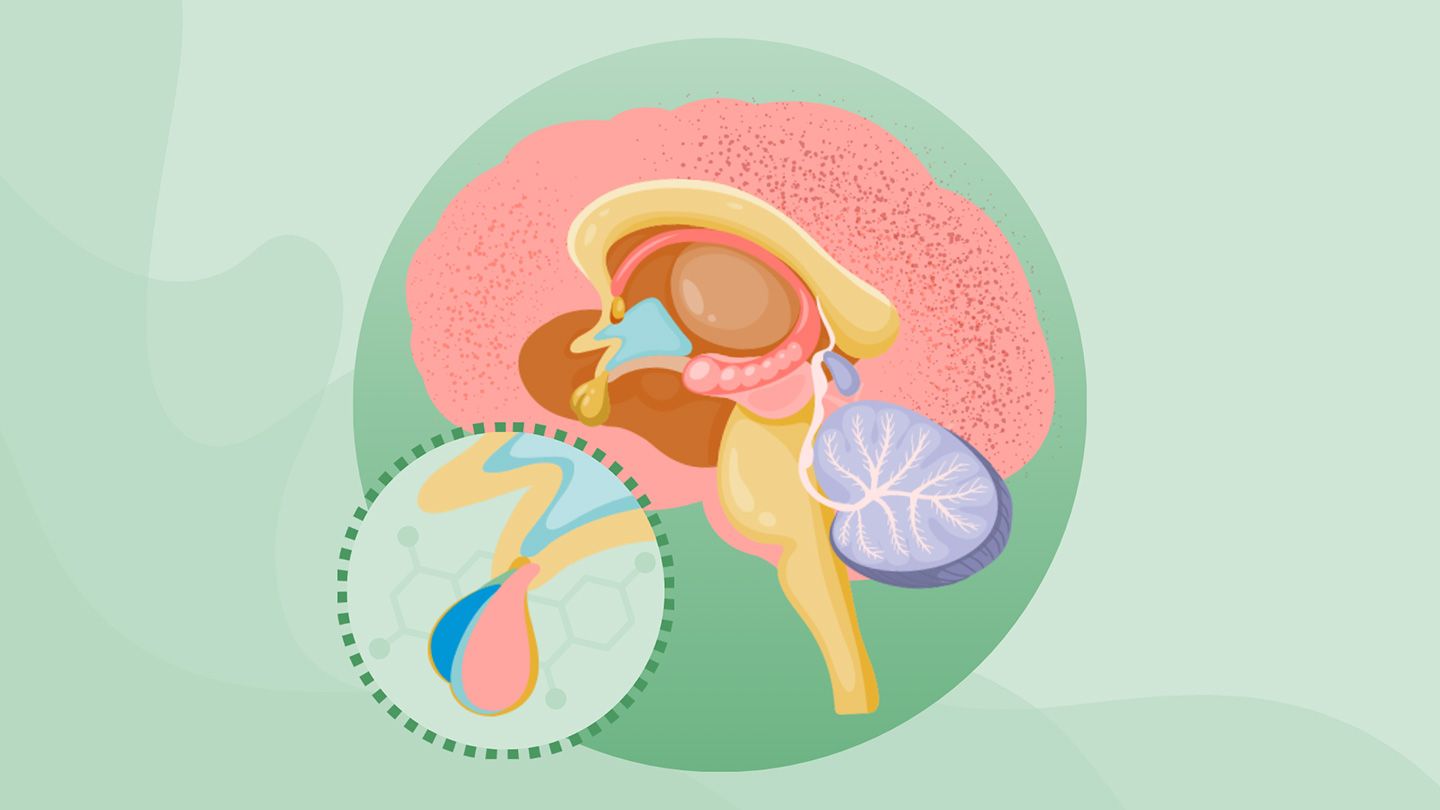
Acromegaly, a rare hormonal disorder, causes your brain’s pituitary gland to make too much growth hormone. High levels of this hormone can lead to excess growth that changes the way you look and can cause medical complications.e60dc2a1-f33c-4a05-9b50-8e3e8e597629680be312-7ebe-4e89-89e9-9ff273cd0190 Changes caused by acromegaly happen slowly, and the condition gets diagnosed most often in middle age. Before puberty, your bones’ growth plates haven’t fused yet, so too much growth hormone can cause extreme height — a separate diagnosis called gigantism.e60dc2a1-f33c-4a05-9b50-8e3e8e597629bbf138f7-cbd7-48ec-9a6c-6fb20a1814c2 Untreated, acromegaly can cause life-threatening health problems, and not all cases can be cured. But treatment with surgery, medications, and radiation may prevent complications and improve your quality of life.e60dc2a1-f33c-4a05-9b50-8e3e8e5976297bc071dc-b5c0-4dcc-95c7-11d58c47c9cf
Complications of Acromegaly Complications If you have acromegaly and don’t get treatment, you could develop many different health complications. These include:e60dc2a1-f33c-4a05-9b50-8e3e8e597629f27007cc-e369-4306-9e3e-34970ecf8bf8 Hypertension (high blood pressure) High cholesterol Heart disease Heart failure Type 2 diabetes Sleep apnea Arthritis Carpal tunnel syndrome Colon polyps Breast, prostate, colon, thyroid, and stomach cancers Period changes and unexpected vaginal bleeding Erectile dysfunction Infertility Depression Medications for acromegaly can also cause some uncomfortable side effects like abdominal cramps, diarrhea, hair loss, gallstones, fatigue, dizziness, and liver problems. If you experience any of these, let your doctor know. They can help you manage and prevent side effects and complications.e60dc2a1-f33c-4a05-9b50-8e3e8e597629c8a325b6-dc83-4b37-9f90-676e60d2f8c2
Acromegaly Prognosis Prognosis When you have acromegaly, your prognosis depends on the tumor size and how early you get diagnosed. For example, removing a small tumor can provide a cure, while a larger tumor may be harder to take out completely. Medication and radiation therapy can keep your growth hormone levels down and lower your risk of complications.e60dc2a1-f33c-4a05-9b50-8e3e8e597629d6186bd4-cd1e-45b6-80e5-b985872ef125 Experts have classified acromegaly into three types to predict your outlook:e60dc2a1-f33c-4a05-9b50-8e3e8e597629ff467e54-9a3d-4f65-89f0-c840c19d71a3 Type 1 offers the best prognosis, and typically gets assigned to older people who have fewer symptoms and lower IGF-1 levels. Type 2 describes a prognosis between types 1 and 3, with higher IGF-1 levels. Type 3 is the worst prognosis, and people who get diagnosed at a young age, have severe symptoms, or have high IGF-1 levels may be in this category. Even when treatments work well, the parts of your body that have already had unusual growth may not return to their prior size. It’s also important to have regular screenings to check for signs that any remaining tumor is getting larger.e60dc2a1-f33c-4a05-9b50-8e3e8e597629d6186bd4-cd1e-45b6-80e5-b985872ef125 If you can keep growth hormone levels down, you may have the same life expectancy as someone without acromegaly.e60dc2a1-f33c-4a05-9b50-8e3e8e597629897e79d5-3edc-45b0-b032-449b5cbce594
How Is Acromegaly Diagnosed? Diagnosis Doctors diagnose acromegaly through blood and imaging tests. An IGF blood test can show how much growth hormone you have in your blood, and high levels point to acromegaly. For another common blood test called an oral glucose tolerance test, you drink a sugary liquid. Then, your growth hormone levels are checked every couple of hours to see if they respond normally to the sugar. Growth hormone should fall as your blood sugar rises, and if it doesn’t, that can help your doctor diagnose you.e60dc2a1-f33c-4a05-9b50-8e3e8e597629537275ba-6ec0-4fb0-a40b-f49dc521f436 Imaging tests like MRIs and CT scans allow your doctor to find and measure the tumor that’s driving production of extra growth hormone.e60dc2a1-f33c-4a05-9b50-8e3e8e597629537275ba-6ec0-4fb0-a40b-f49dc521f436 To measure bone size, you may also get an X-ray.e60dc2a1-f33c-4a05-9b50-8e3e8e5976295ab42da8-2c5e-4a78-a82f-b50b0abe4ae2
Resources We Trust Mayo Clinic: Acromegaly Cleveland Clinic: Acromegaly Genetic and Rare Diseases Information Center: Acromegaly National Organization for Rare Disorders: Acromegaly Endocrine Society: Acromegaly
Causes and Risk Factors of Acromegaly Causes Most often, a noncancerous tumor in your pituitary gland causes acromegaly. This tumor, called an adenoma, stimulates the production of extra growth hormone.e60dc2a1-f33c-4a05-9b50-8e3e8e597629ce043954-6373-48f1-995e-3ee1e2c7b36c When too much growth hormone gets released, your liver makes more of another hormone called insulin-like growth factor I (IGF-I). This second hormone makes your bones and tissues grow, but also changes how you process sugar, increasing your risk for diabetes and heart problems.e60dc2a1-f33c-4a05-9b50-8e3e8e5976294396aff3-20f9-4c7e-8501-f61a5db8172a Tumors in other places, including your lung or pancreas , can also cause acromegaly, but this is more rare. Experts don’t know why these tumors grow, but some genetic factors may increase your risk.e60dc2a1-f33c-4a05-9b50-8e3e8e5976294396aff3-20f9-4c7e-8501-f61a5db8172a The most common condition linked with acromegaly is called multiple endocrine neoplasia, type 1 (MEN1), which is rare in the general population. Other, even less common genetic conditions like familial isolated pituitary adenoma (FIPA) can also increase your risk.e60dc2a1-f33c-4a05-9b50-8e3e8e597629ce043954-6373-48f1-995e-3ee1e2c7b36c
Read the full article here

Leave a comment
