


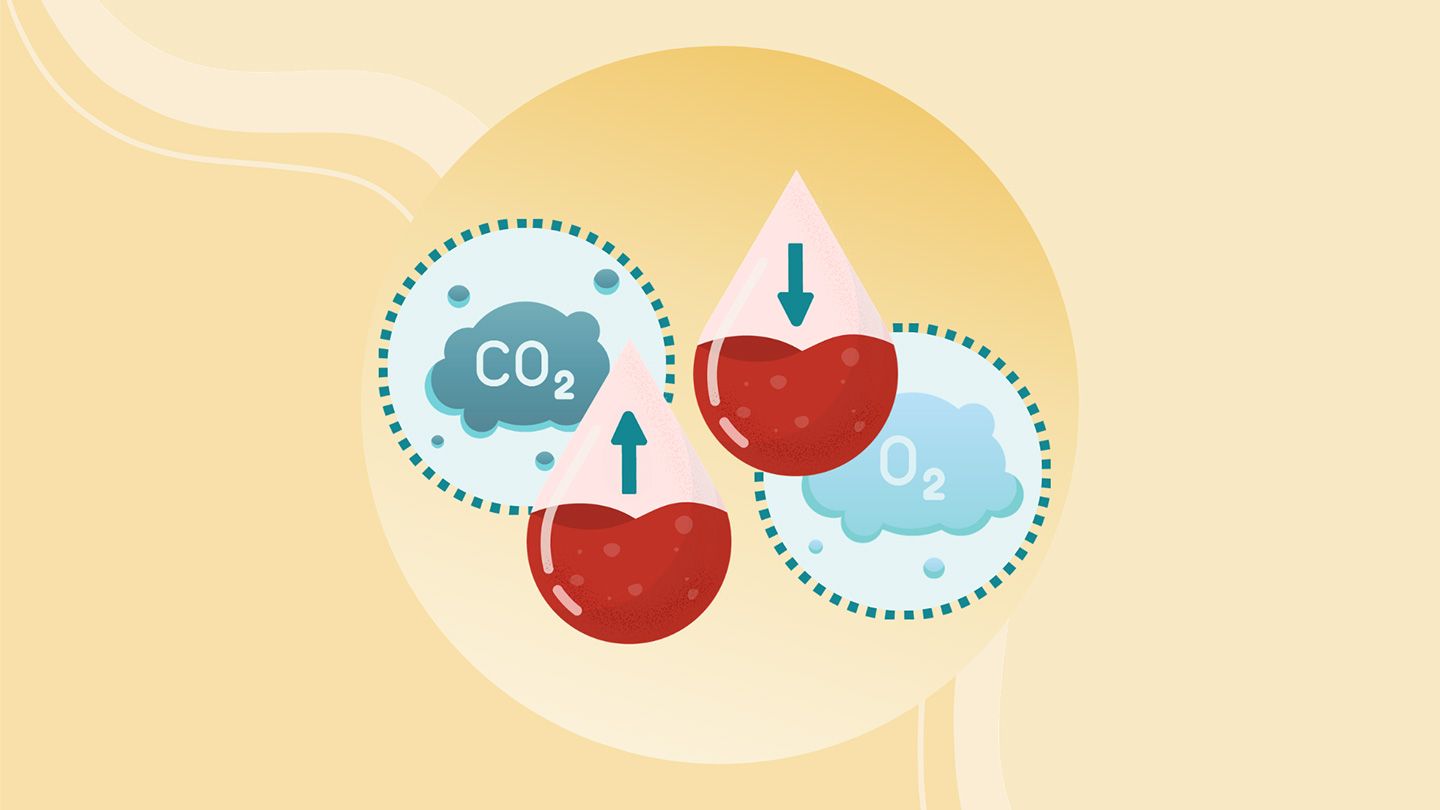
Pickwickian syndrome, also known as obesity hypoventilation syndrome (OHS), is a breathing disorder that affects some people with obesity . This condition causes an abnormally slow breathing rate (hypoventilation), which leads to too little oxygen and too much carbon dioxide in your blood. Most people with OHS also have obstructive sleep apnea .e60dc2a1-f33c-4a05-9b50-8e3e8e597629215f80a7-5039-4f04-a3e1-0a79e5a8cfe4 Without treatment, obesity hypoventilation syndrome can lead to serious or life threatening complications. Assistive breathing devices, losing weight, and treating underlying conditions can help manage OHS.
Prognosis and Outlook for Pickwickian Syndrome Prognosis and Outlook Treatment can reduce symptoms of OHS and improve your quality of life. In some cases, treatment may get rid of symptoms entirely. Early treatment with a CPAP or BiPAP machine is important to lower your risk of complications and increase your life expectancy.e60dc2a1-f33c-4a05-9b50-8e3e8e597629bc096f92-8b41-4c53-a138-84de1539efaf Without treatment, the outlook for people with OHS is poor. OHS can significantly decrease your quality of life, and a lack of oxygen can lead to life-threatening complications, like heart failure. In people with OHS who don’t receive breathing assistance, the mortality rate is 46 percent after four years. In people with other medical conditions, the mortality rate for untreated OHS is 23 percent over 18 months.e60dc2a1-f33c-4a05-9b50-8e3e8e59762928f1aebd-2d8d-4005-ac20-178679af5d3d
Complications of Pickwickian Syndrome Complications Without treatment, OHS can lead to serious or life-threatening complications, such as:e60dc2a1-f33c-4a05-9b50-8e3e8e59762953f3ad4b-baad-46ed-991f-bd63f08a39e3 High blood pressure (hypertension) High blood pressure in the lungs (pulmonary hypertension) Right-sided heart failure (cor pulmonale) OHS can also cause complications related to a lack of sleep, such as:e60dc2a1-f33c-4a05-9b50-8e3e8e59762954ea4d50-3747-40f4-8d17-d235cfed4c7c Irritability and agitation Increased risk of accidents Depression Problems with sex and intimacy
Treatment Options for Pickwickian Syndrome Treatment The main treatment for OHS is weight loss. Breathing assistance may also be necessary. Weight Loss Losing weight is often the first step in treating OHS. Your doctor may recommend lifestyle changes like eating a healthy diet and getting 30 minutes of physical activity a day.e60dc2a1-f33c-4a05-9b50-8e3e8e597629605e0ff0-762b-4fa9-bd51-b1cdf74c60dde60dc2a1-f33c-4a05-9b50-8e3e8e597629eb670b8c-e9d8-466f-8f45-c3523bdac4ef In some cases, weight loss alone may be able to correct symptoms of OHS and treat other issues, like sleep apnea.e60dc2a1-f33c-4a05-9b50-8e3e8e5976294a749356-c28f-4182-af81-8b07bb1210a8 If lifestyle changes aren’t enough or your symptoms get worse, weight loss surgery , such as gastric bypass surgery, may be an option to help you lose weight. Breathing Assistance To treat obstructive sleep apnea, you may need a ventilation machine . These devices deliver air through a mask while you are sleeping, helping to keep your airways open and increase blood oxygen levels. They include:e60dc2a1-f33c-4a05-9b50-8e3e8e597629d4bc2636-3e7e-4a58-939e-79ec49009261 Continuous Positive Airway Pressure (CPAP) A CPAP machine delivers constant air pressure when you breathe in and out. Bilevel Positive Airway Pressure (BiPAP) A BiPAP machine delivers a higher pressure of air when you breathe in than when you breathe out. This may be an option if CPAP isn’t effective or you can’t tolerate it.e60dc2a1-f33c-4a05-9b50-8e3e8e597629605e0ff0-762b-4fa9-bd51-b1cdf74c60dde60dc2a1-f33c-4a05-9b50-8e3e8e597629eb670b8c-e9d8-466f-8f45-c3523bdac4ef Rarely, people who don’t see improvement with assistive devices may need a tracheostomy . In this procedure, a surgeon cuts a hole through your neck into the trachea (windpipe) to deliver oxygen more efficiently into your lungs.
The Takeaway Pickwickian syndrome, also known as obesity hypoventilation syndrome, is a breathing disorder that affects some people with obesity. Weight on the airways from excess fat, along with hormone and brain changes, may contribute to OHS. Common symptoms of OHS include shortness of breath, fatigue, and daytime sleepiness. Most people with OHS also have symptoms of obstructive sleep apnea, including snoring and gasping or choking during sleep. Treatment for OHS involves weight loss (with healthy lifestyle changes) and breathing assistance (with a ventilation machine). In some cases, weight loss surgery or, rarely, a tracheostomy may be necessary. Without treatment, OHS can be life-threatening. Early diagnosis and treatment can reverse OHS symptoms and reduce your risk of complications.
Resources We Trust Cleveland Clinic: Obesity Hypoventilation SyndromeMayo Clinic: Obstructive Sleep ApneaNational Institute of Diabetes and Digestive and Kidney Diseases: Health Risks of Overweight and ObesityCenters for Disease Control and Prevention: About Sleep and Your Heart HealthNational Heart, Lung, and Blood Institute: What Is Heart-Healthy Living?
Symptoms Signs and Symptoms of Pickwickian Syndrome
Common symptoms of obesity hypoventilation syndrome include:e60dc2a1-f33c-4a05-9b50-8e3e8e597629225a92b1-4182-4cd7-84f0-f95450a6fa4c Shortness of breath Extreme tiredness or fatigue Daytime sleepiness Headaches Dizziness In addition to these symptoms, you or someone close to you may also notice symptoms of obstructive sleep apnea, such as:e60dc2a1-f33c-4a05-9b50-8e3e8e5976298857d26a-859e-4f5c-9593-5ce92bb13fcd Snoring Pauses in breathing, choking, or gasping during sleep Morning headaches Daytime sleepiness Difficulty with concentration
Causes and Risk Factors of Pickwickian Syndrome Causes Researchers aren’t sure what causes OHS, though it may be due to a combination of factors, including:e60dc2a1-f33c-4a05-9b50-8e3e8e5976297f55af88-4fad-4c2d-b48d-5aab2907ec38 Changes in the way your brain regulates breathing Difficulty breathing deeply, due to extra fat on your neck, chest, and belly Hormones produced by fat cells that affect your body’s breathing patterns
Lifestyle Changes and Prevention of Pickwickian Syndrome Lifestyle and Prevention Maintaining a healthy weight can reduce your risk of developing OHS. Treating sleep problems, like sleep apnea, is also important if you have OHS. If your doctor prescribes a CPAP or BiPAP machine, continue using it as directed.e60dc2a1-f33c-4a05-9b50-8e3e8e59762916e259b1-5675-4462-9c5a-4ffb8d2c014c
How Is Pickwickian Syndrome Diagnosed? Diagnosis Your doctor will first ask about your symptoms and whether you have trouble sleeping. They’ll also do a physical exam and calculate your body mass index (BMI) to determine whether you have obesity. Obesity is defined as a BMI of 30 or higher. Your doctor may then order tests to confirm an OHS diagnosis and rule out other potential causes. These tests may include:e60dc2a1-f33c-4a05-9b50-8e3e8e597629b6aa420c-f2d4-4617-a33b-63e594b89a1d Arterial Blood Gas This test measures oxygen and carbon dioxide levels in a sample of your blood. Pulse Oximetry Your doctor places a sensor on your finger to measure the amount of oxygen in your blood. This test is less accurate than measuring a blood sample. Pulmonary Function Tests These tests check how well your lungs are functioning to rule out other causes, like chronic obstructive pulmonary disease . Imaging Tests A chest X-ray or computed tomography scan allows your doctor to rule out other possible causes of breathing problems. Sleep Study (Polysomnography) A sleep study can help identify whether you have sleep apnea and determine how severe it is.
Read the full article here


Leave a comment
