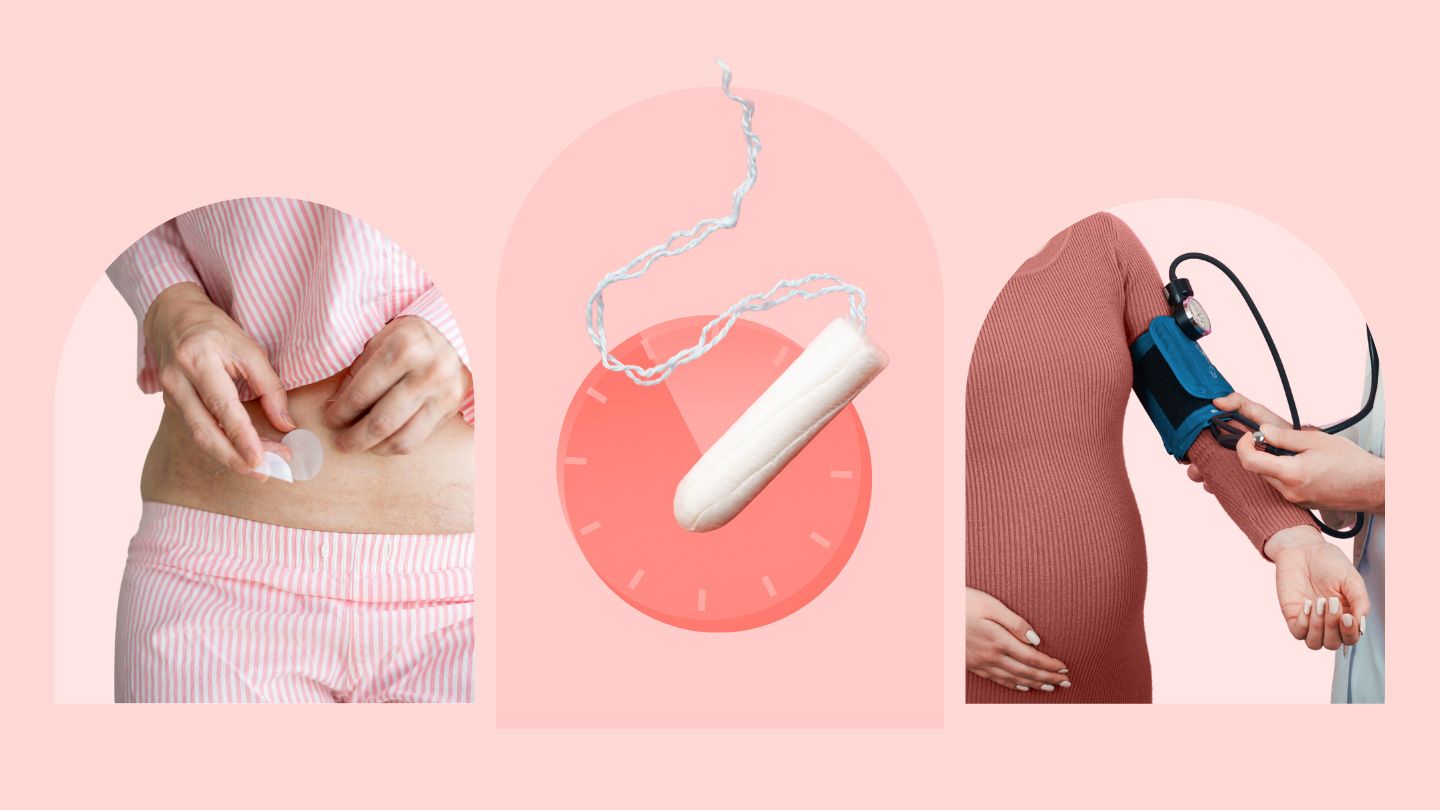
“Recognizing female-specific risk factors can help reduce disparities in care, improving outcomes for women,” says Daniel Ambinder, MD, an interventional cardiologist at UM St. Joseph Medical Center in Towson, Maryland.
1. Timing of Your First Period
An early or late first period might indicate a greater risk of heart troubles later in life. Research on the age at which a woman has her first period has produced mixed results, with studies differing on whether earlier or later menarche is linked to higher cardiovascular risk, says Harmony Reynolds, MD, a cardiologist who specializes in treating women at NYU Langone Health in New York City.
One systematic review of studies spanning 23 years found that both of those scenarios may be true: Women who started their periods at 12 to 13 years old had the lowest risk of cardiovascular events, those younger than 11 had increased risk, but those who were 16 or older before they got their first period had the highest risk.
The researchers hypothesize this could be due to biological and early-life factors, like increased risk of childhood obesity or genetic factors that influence puberty timing and later cardiovascular risk.
2. PCOS
“Women with PCOS may have metabolic issues like insulin resistance and background low-grade inflammation that can accelerate heart disease,” Dr. Reynolds says.
According to a study of more than 125,000 women over 25 years, 3.4 percent of women with PCOS had a heart attack or ischemic stroke, compared with 2 percent of women without it. Even after accounting for other heart disease risk factors, women with PCOS had a 58 percent higher risk of heart attack and a 56 percent higher risk of ischemic stroke.
“Women with PCOS should mention the condition to their doctor and ask if medication may be needed to manage blood pressure, cholesterol, blood sugar, or weight,” Reynolds adds.
3. Preeclampsia
“Preeclampsia is a marker of higher risk of heart disease, and it’s possible, based on recent research, that going through preeclampsia or high blood pressure after delivery puts strain on the heart that can have lasting impact,” Reynolds says.
One large study found that women with preeclampsia during pregnancy had a 72 percent higher rate of cardiovascular disease than women who didn’t. Existing cardiovascular risk factors accounted for only 57 percent of the increased rate of heart disease.
4. Gestational Diabetes
“Gestational diabetes increases cardiovascular risk through blood vessel damage and inflammation that last after the blood sugar normalizes,” Reynolds says.
One study found that 12 percent of women experience gestational diabetes as a pregnancy complication, and those who had gestational diabetes also had a twofold higher risk of coronary artery calcification, a marker of increased heart disease risk.
“Women who had gestational diabetes should be extra attentive to making sure they are eating a healthy diet and getting plenty of exercise,” Reynolds says.
5. Preterm Delivery
Make sure your primary care doctor and other healthcare providers are aware if you had a preterm birth, so they can factor it into your ongoing health history. They may recommend a formal heart disease risk assessment.
“For all women with complications of pregnancy, regular screening with a personal physician is important — including blood tests for cholesterol and blood sugar, along with blood pressure checks,” Reynolds says.
6. Menopause
“When we, as physicians, say that a risk factor is borderline — such as blood pressure or cholesterol — we mean that we want those numbers lower,” says Reynolds. “If the numbers don’t go down to the normal range, medication is often warranted.”
7. The Treatment Gap
One major risk for women’s heart health isn’t about hormones or the female anatomy: It’s a lack of medical representation. For decades, women were underrepresented in heart-related clinical trials because of the belief that cardiovascular disease was largely a man’s condition. The U.S. Food and Drug Administration (FDA) also discouraged women of childbearing age from participating in clinical trials due to fear of harm to fetuses, leading to treatments and guidelines that were developed without a full understanding of how women are affected.
It’s important for women to advocate for themselves to get appropriate heart health care based on their specific risk factors. Make sure you’re seeing a doctor who listens to you, ask questions about treatment, and seek support from your network as well as women’s heart-health groups.
The Takeaway
- Women face unique cardiovascular risks from life events — such as menopause, PCOS, and pregnancy complications like preeclampsia — driven by distinct hormonal and anatomical differences that cause heart disease to develop and affect them differently from men.
- These specific risk factors, along with the timing of a woman’s first period and history of preterm delivery, could serve as early indicators of future heart health issues that may not manifest until decades later.
- Many people are unaware of the fundamental heart health differences that women experience. To improve outcomes and bridge the historical gap in medical care, women should advocate for themselves and proactively work with their healthcare providers to mitigate risk.
Read the full article here