1. Skip Sugary Drinks
“My first recommendation to people is don’t drink your sugar,” says Barbara Borcik, RD, CDCES, of Reisterstown, Maryland. “All the sugary drinks out there are a real risk factor for obesity.”
Sugary drinks provide nothing more than empty calories, and they won’t help you feel full. Beverages sweetened with sugar may contribute to weight gain and increase your risk of type 2 diabetes, according to research.
2. Pull Back on Portions
Smaller portions can help with weight management, Borcik says. Weight loss ultimately depends on creating a calorie deficit, which means consuming fewer calories than your body burns through physical activity and normal body functions. Paying attention to portion sizes is one strategy that may help reduce overall calorie intake.
Start by cutting back on high-calorie, low-nutrient snacks, and save indulgent treats such as desserts for special occasions. For meals, consider the 50-25-25 method: Fill half of your plate with nonstarchy vegetables, which are high in nutrients but low in sugar and carbohydrates.; split the other half between about 3 ounces of lean protein (salmon, skinless chicken, beans, and tofu) and quality carbs like fruits and whole grains.
3. Fill Up on Fiber
In particular, vegetables are diabetes-friendly because they tend to be high in fiber and low in calories and carbohydrates, says Joelle Malinowski, RD, CDCES, who is based in Albany, New York. She suggests sautéing them in light oil or steaming or baking them.
And don’t overthink the type of veggie you’re buying. “Fresh, frozen, and canned veggies are all nutritious options for people with prediabetes,” says Lori Zanini, RD, CDCES, who is based in Dana Point, California.
Note, however, that some frozen and canned foods contain added preservatives and sodium. Too much sodium can increase your risk of high blood pressure, heart disease, and stroke.
4. Be Choosy About Fats
“Fats that come from avocados, nuts, oily fish, and other plant oils have a heart health benefit,” Rose-Francis says.
Avoid foods with saturated or trans fats, she says. These fats can worsen insulin resistance and raise your risk of cardiovascular disease, which people with prediabetes are already more likely to develop.
5. Emphasize Whole Grains
Whole grains and similar foods with complex carbohydrates, such as beans and sweet potatoes, take longer to digest, so they are less prone to causing spikes in blood sugar.
“Refined grains are processed to remove the fiber,” Rose-Francis says. “In people with diabetes, fiber can improve blood sugar levels, promote increased satiety, and consequently control weight.”
6. Choose Meat Alternatives
Although lean cuts of red meat are considered healthy proteins, too much red meat can increase your risk of type 2 diabetes by more than 60 percent.
“The plant-based diet isn’t for everyone,” Malinowski says. “But think about swaps like choosing olive oil over butter.”
7. Drink Alcohol Only in Moderation
If you’re trying to lose weight or be as healthy as possible, consider limiting your alcohol intake or ditching it altogether.
“Alcohol is a very calorie-dense beverage, which means it can supply a lot of calories, cause unwanted weight gain, and supply few nutrients for the body,” Rose-Francis says.
While research on alcohol is evolving, the World Health Organization says that drinking less or not at all is better for your health.
Malinowski suggests limiting alcohol to once a week or abstaining completely if weight loss is your goal. “It’s better to lose it if you want faster results,” she says. “Plus, alcohol sometimes increases appetite.”
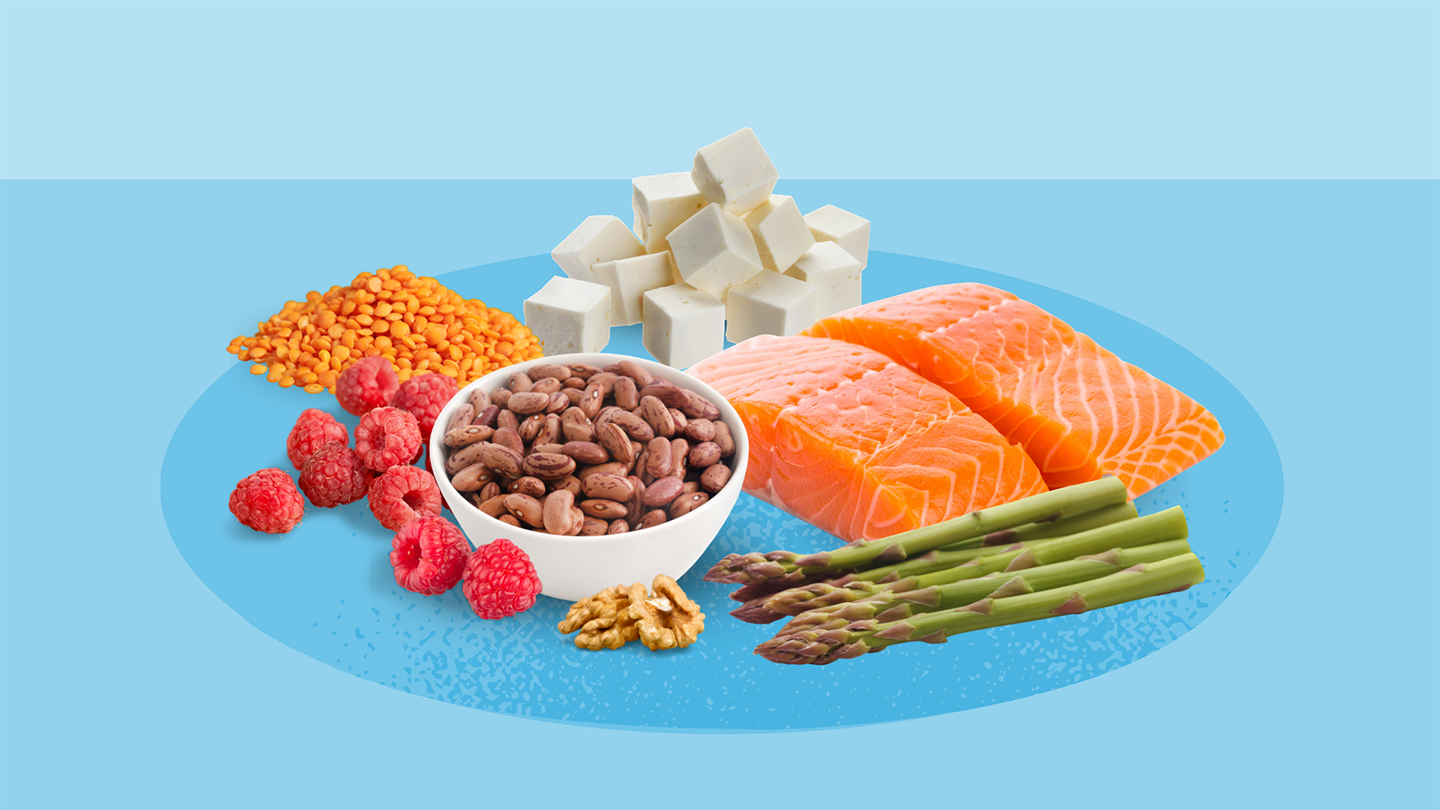
8. Pick Healthy Proteins
- Salmon
- Nuts
- Oats
- Turkey breast
- Egg whites and whole eggs
- Soy milk
- Skinless and boneless chicken breast
- Tofu
9. Choose Lean Meats
Red meat can be high in saturated fat, which can cause insulin resistance and increase your risk of developing type 2 diabetes.
Poultry, such turkey, chicken breast and lean ground poultry, is the best place to start. If you choose red meat, go for fat-trimmed, lean cuts such as sirloin, tenderloin, and pork loin, as well as round cuts such as top round or eye of round.
Also consider baking, broiling, roasting, grilling, or sautéing rather than frying your food, Borcik says.
10. Stay Hydrated
People can sometimes mistake thirst for hunger, which can lead to overeating and weight gain, Zanini says. So drink plenty of water.
“It will help your body function more optimally, give you more energy, and has been shown to aid in weight management,” she says.
Plus, Borcik says that staying hydrated helps lower your blood sugar and can reduce your risk of developing high blood sugar.
The Takeaway
- When you have prediabetes, adjusting your diet can help you manage your weight and blood sugar to reduce your risk of developing type 2 diabetes.
- Focus on eating fiber-rich foods such as vegetables, fruits, whole grains, and beans; choosing healthy fats from sources such as olive oil and nuts; and selecting lean proteins.
- Limit sugary drinks and refined carbohydrates, as well as alcohol.
- Work with your doctor and healthcare team to develop a personalized plan that addresses your specific needs and any potential medication interactions.
Read the full article here