In most cases, there’s little to no evidence that a particular dietary change has any effect on MS. And worse, some of the changes that are often recommended can make it harder for you to get all the nutrients you need to stay healthy.
Here are some of the most common myths I’ve come across about MS diets — and the truth about each one.
1. Is Dairy Bad for People With MS?
Many so-called MS diets discourage dairy products.
One of the reasons given for this advice is the assertion that dairy is inflammatory, a claim that’s been widely debunked. A review of studies showed that including dairy in your diet was not associated with inflammation among people without any health conditions, nor among those with diabetes or metabolic syndrome.
When it comes to MS in particular, the theories suggesting a strong connection between MS and dairy products have not been sufficiently tested, which means there’s no evidence that consuming dairy has any effect on MS.
Another theory related to dairy products, called “molecular mimicry,” suggests that butyrophilin — a protein found in cow’s milk and in foods like cheese, butter, chocolate, and ice cream — may mimic part of myelin oligodendrocyte glycoprotein. This is the component of myelin thought to initiate the autoimmune reaction in MS.
But this theory is based only on animal studies and has not yet been tested in human clinical trials — so there’s no need to avoid butyrophilin protein unless you know you’re allergic to it.
Finally, some have suggested that people with MS are more likely to be lactose intolerant — meaning they lack an enzyme needed to digest lactose, the natural sugar in milk — and that therefore eating dairy products causes them uncomfortable gastrointestinal symptoms such as bloating, gas, and diarrhea.
But lactose intolerance is not an inflammatory process and is not mediated by the immune system. And there has been no evidence to suggest that people with MS are more likely to be lactose intolerant. It’s important to speak to your doctor if you have the symptoms mentioned above, as they can have multiple causes. Lactose intolerance is only one potential cause.
In addition, consistently getting enough vitamin D in your diet may be associated with less frequent or severe MS relapses, according to Mayo Clinic.
If you abstain from dairy for any reason, such as lactose intolerance diagnosed by your doctor, make sure that your dairy alternatives contain added calcium and vitamin D to help protect your bones.
2. Should You Stay Away From Gluten if You Have MS?
You may have heard warnings to avoid gluten — a protein found in wheat, rye, and barley — if you have MS. These are often anecdotal reports that gluten makes some people with MS feel worse and that avoiding gluten helps them feel better. In addition, many people assert that gluten is associated with inflammation in the body in general.
However, the National Multiple Sclerosis Society (NMSS) states that there’s no clear relationship between gluten and MS, and not everyone with MS is gluten-intolerant.
Something else to consider: Gluten-free foods can be some of the most refined foods on the market, and they’re not fortified in the same way that conventional foods are. Unnecessarily avoiding foods that contain gluten may deprive you of valuable nutrients like fiber, which helps support gut health and bowel regularity.
3. Are Grains and Beans a No-Go for People With MS?
In addition, most lectins in foods are inactivated by cooking, particularly when the food is cooked in a large quantity of liquid. Since whole grains and beans are almost never eaten raw, and are often boiled in water, the likelihood of anyone eating large amounts of active lectins this way is very low.
4. Do Nightshade Vegetables Ramp Up MS-Related Inflammation?
There’s no conclusive evidence to suggest that nightshade vegetables have any impact on the MS disease course. These foods are rich in nutrients, making them worthy additions to your diet.
That said, it’s worth remembering that MS is a complex disease. And if you have MS along with another chronic disease (known as a comorbidity), it becomes even more complex — meaning inflammation and pain can arise from a variety of causes. A nightshade food may (or may not) be the culprit.
If you find that eating specific nightshade vegetables causes pain symptoms for you, don’t eat them. But consider each nightshade vegetable individually. Just because one kind triggers pain doesn’t mean they all will.
And be sure to speak with your doctor to rule out other potential health problems before removing foods from your usual eating pattern.
What Science Tells Us About MS and Diet
According to the NMSS, there’s no scientific evidence that any particular diet alters the MS disease course or that certain foods are harmful to all people with MS.
That said, some evidence suggests that making certain dietary changes may yield overall health benefits for people with MS, when practiced over time.
According to research, a balanced diet that includes high amounts of fruits and vegetables and is low in unhealthy fats may help you manage MS.
A growing body of evidence also indicates that the most effective way to maintain good health when living with MS may be indirect: by managing (or preventing) chronic comorbid health conditions, such as diabetes, and by maintaining good glucose control, fat levels in the blood, and blood pressure.
Research has found that poorly managed comorbidities are associated with an increase in disability and a decrease in quality of life among people with MS.
So, eating well is an essential part of living well with MS. But that doesn’t mean that eliminating foods unnecessarily or following unproven diets because you have MS is a good idea.
How to Eat Well if You Have MS
Low-fat dairy products, whole grains containing gluten, beans and other legumes, and nightshade vegetables are quite nutritious, and unnecessarily removing them from your meals can result in nutritional deficiencies.
Eating for good health generally can help you improve your quality of life and decrease your risk of disability.
When planning your meals, opt for a balanced and flexible eating pattern that consists of the following foods:
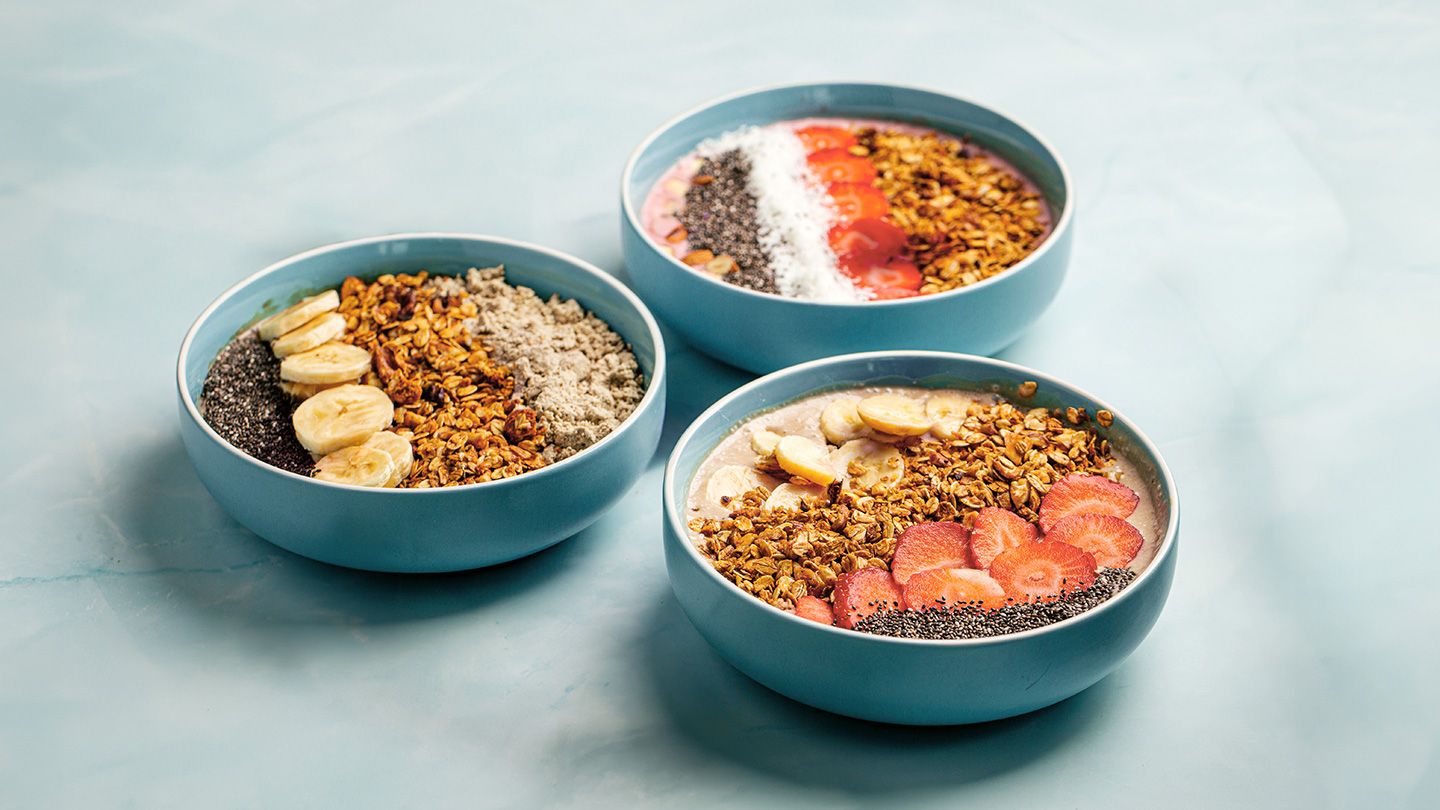
- Colorful Fruits and Vegetables When picking your produce, variety matters. Different colors of fruits and vegetables bring different nutrient profiles to your plate. Leafy greens, blueberries, and strawberries are great additions to anyone’s diet.
- Lean Proteins Chicken and fish are both good choices to incorporate consistently into your diet. And for meatless dishes, consider trying tempeh.
- Beans, Legumes, Nuts, and Seeds Some worthy additions to any eating pattern are black beans, lentils, walnuts, and chia seeds.
- Whole Grains Oatmeal, brown rice, and quinoa are all nutrient-packed options worth incorporating into your daily meals.
- Calcium-Rich Foods Low- or nonfat dairy sources of calcium include skim milk and nonfat, plain yogurt. Some dairy-free options are collard greens, cooked spinach, canned salmon, and tofu with calcium sulfate.
- Foods Containing Vitamin D Fortified low-fat milk and dairy products, as well as fatty fish like salmon and albacore tuna, are great sources of vitamin D. Experts believe that taking vitamin D supplements may be beneficial for people with MS, but more research is needed to confirm this. Be sure to talk with your doctor before trying a supplement.
- Monounsaturated Fatty Acids Foods containing these heart-healthy fats include olive oil, avocados, almonds, cashews, and nut butters.
- Polyunsaturated Fatty Acids Another form of heart-healthy fats, these are found in foods like flax and soybean oil, fish, and walnuts.
Be sure to limit saturated fats, sodium, added sugars, and highly refined foods. And avoid trans fats entirely.
If you need help planning a healthy diet, consult your doctor or a registered dietitian nutritionist who is well-versed in MS.
Read the full article here